
Skip to content

zhabdrung Ngawang Namgyal

Trashigang Dzong, historic fortress-monastery overlooking Trashigang town in eastern Bhutan

Trashigang Dzong, the Sky Fortress on the Auspicious Hill

Trashigang Dzong, known as “The Fortress of the Auspicious Hill,” is one of the most striking historic fortresses in eastern Bhutan. Built in 1659 on a steep rocky spur above the confluence of the Drangme Chhu and Gamri Chhu, it was established under the direction of Zhabdrung Ngawang Namgyal to strengthen the authority of the Drukpa state in the eastern regions. For centuries, the dzong has served as a centre of administration, monastic life and community gatherings, and it remains the setting for the annual Trashigang Tshechu.
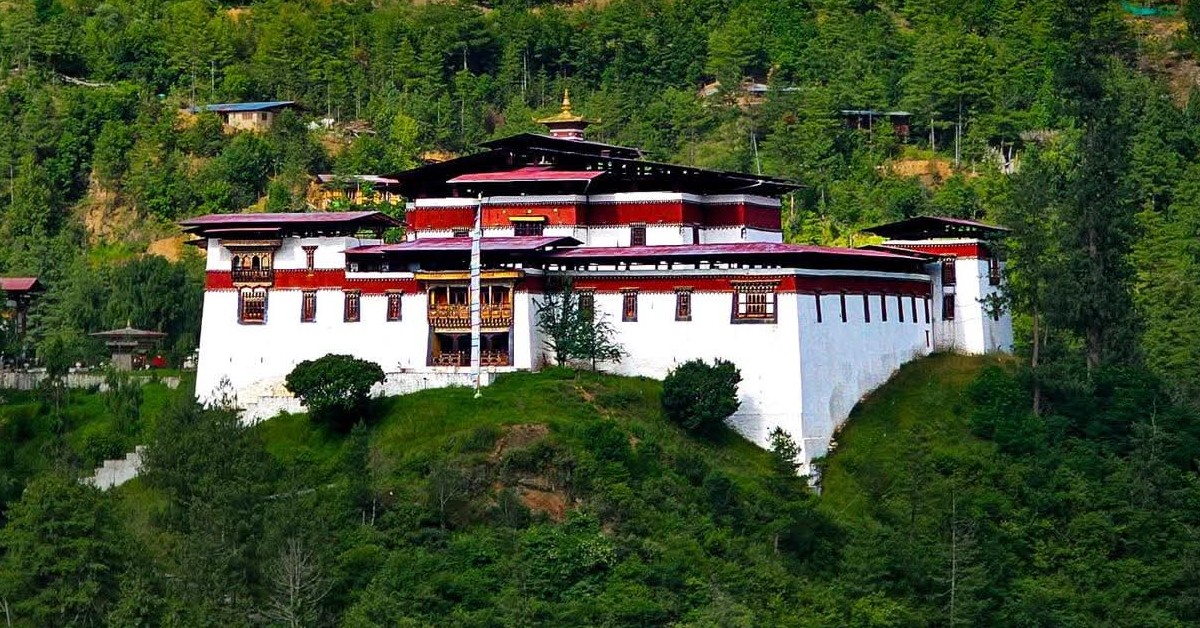
Simtokha Dzong, the historic fortress near Thimphu, Bhutan

Simtokha Dzong, the First Fortress built by Zhabdrung in Bhutan

Simtokha Dzong, also known as Sangak Zabdhon Phodrang, meaning ‘Palace of the Profound Meaning of Secret Mantras’, is the first dzong built by Zhabdrung Ngawang Namgyal in Bhutan. Built in 1629 at the junction of Sha, Wang, and Pa Sum, it fulfilled a prophecy and, according to the local religious tradition, subdued a demoness said to have harmed travellers. Although earlier dzongs and fortified sites existed in Bhutan, Simtokha is the oldest dzong to survive as a complete structure.

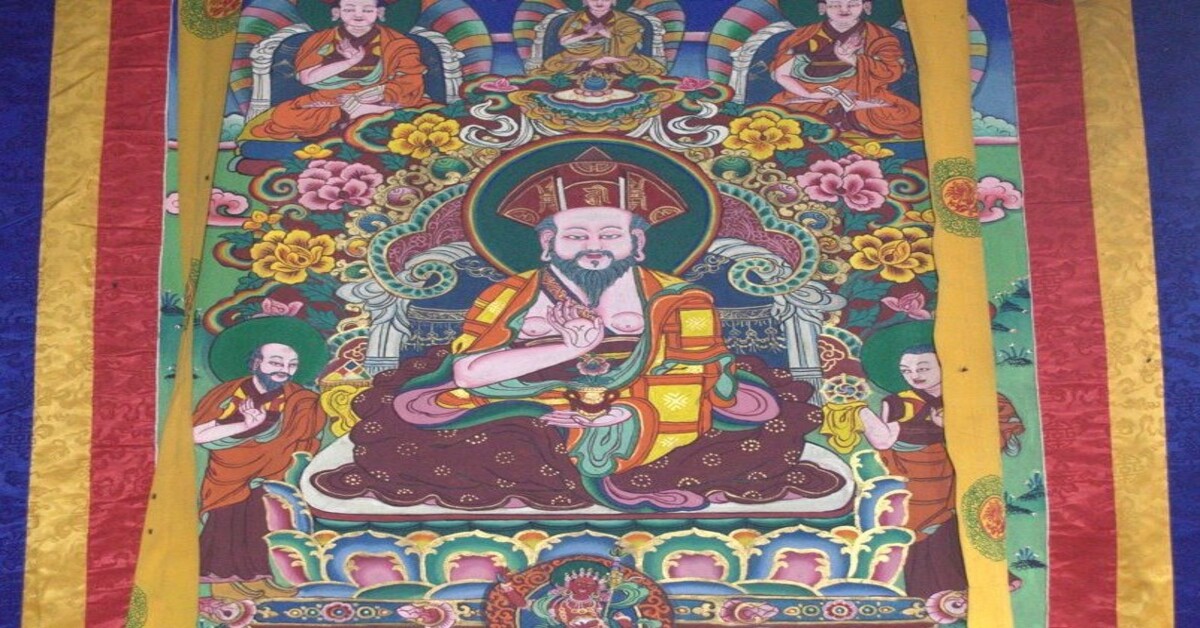
Zhabdrung Ngawang Namgyal, founder and unifier of Bhutan

Zhabdrung Ngawang Namgyal: A Buddhist Warrior, Unifier, and Founder of Bhutan

Zhabdrung Ngawang Namgyal, also known as Zhabdrung Rinpoche, was the Drukpa Kagyu master who became the spiritual and political unifier of Bhutan. Born in Tibet in 1594, he arrived in Bhutan in 1616 at about 22 years of age. Over the following decades, he laid the foundations of the Bhutanese state, established the dual system of governance and shaped the religious and cultural institutions that remain central to the country today.
