
Skip to content

holy water

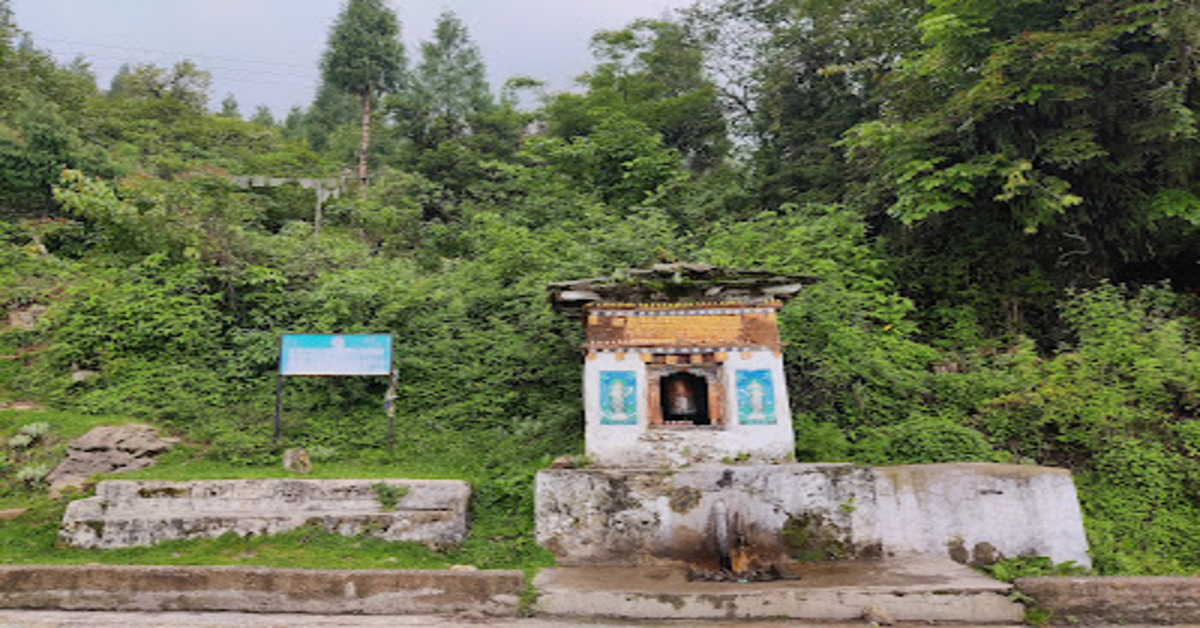
Tsheringma Drupchhu, sacred spring in Trongsa, Bhutan

Tsheringma Drupchhu: Sacred Spring, Oral History and Local Beliefs

Tsheringma Drupchhu is a sacred spring associated with the goddess Tsheringma, located in Zalamchu near Tshangkha village in Tangsibji Gewog, Trongsa Dzongkhag. In local tradition, the water is linked with blessings for long life and a melodious voice. These associations are part of the community’s religious and oral heritage; they are not established medical or scientific effects. For a wider introduction to Bhutan’s sacred springs, see our guide to Drupchhu or holy spring waters in Bhutan.
Traditional Bhutanese drupchhu, or sacred spring water, collected at a pilgrimage site

Drupchhu in Bhutan: Sacred Spring Waters, Beliefs & Visitor Guide

Drupchhu or holy spring waters are considered to be blessed water, often extracted from a cliff or a sacred place by a spiritual person. Many holy spring waters in Bhutan are said to have been extracted by Guru Rinpoche. The holy springs may or may not have medicinal value, but are considered to have a great spiritual power to liberate one from suffering if one drinks them.

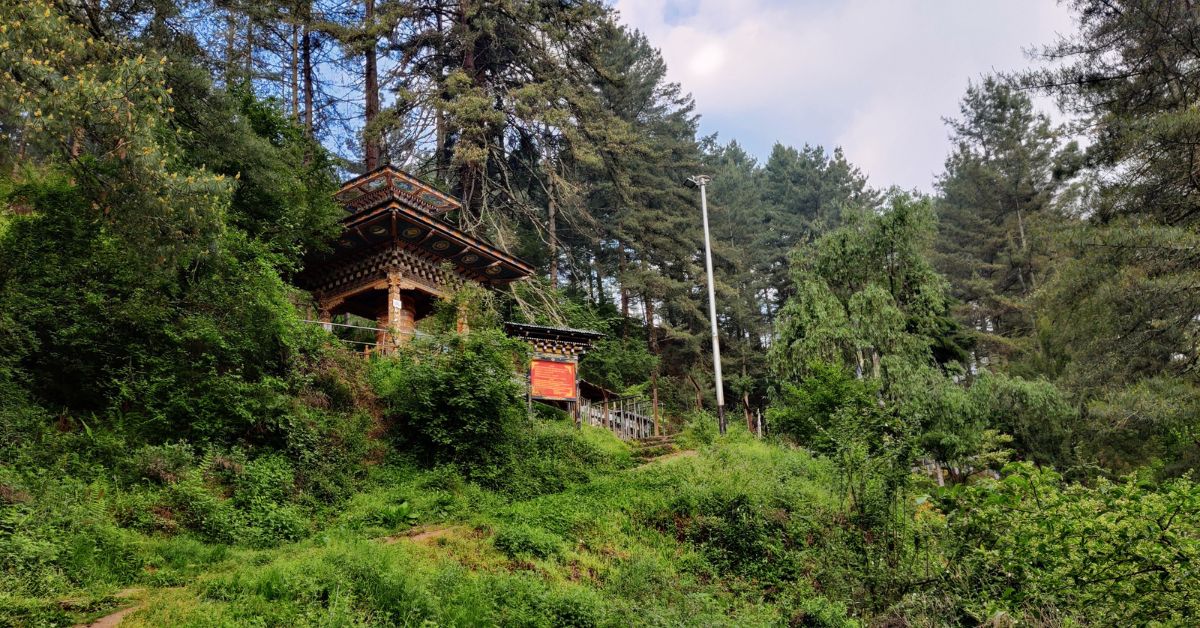
Kurje Drupchhu sacred spring near Kurjey Lhakhang in Bumthang, Bhutan

Kurje Drupchhu: Sacred Spring, Local Traditions and Visitor Guide

Kurje Drupchhu is a sacred spring near Kurjey Lhakhang in Bumthang. Local tradition associates the water with Guru Rinpoche’s visit in the 8th century and with the story of King Sindhuraja’s recovery. Devotees regard the spring as blessed water; claims that it cures diseases are not supported by clinical evidence. Its religious significance should be respected while taking sensible precautions about drinking untreated spring water.

Aja Menchu sacred mineral spring at Aja Ney in Mongar, Bhutan

Aja Menchu, the Sacred Mineral Spring at Aja Ney: Traditions and Visitor Guide

Aja Menchu is a sacred spring within the Aja Ney pilgrimage landscape in Mongar Dzongkhag, eastern Bhutan. The spring is traditionally associated with Guru Rinpoche and is valued in local Bhutanese healing and pilgrimage practices. Local belief links the water with ney-rig chobgay, or 18 types of illness, but these are traditional claims rather than clinically established cures. The spring is commonly listed at about 2,513 metres; the wider Aja Ney pilgrimage area rises above 3,500 metres.
