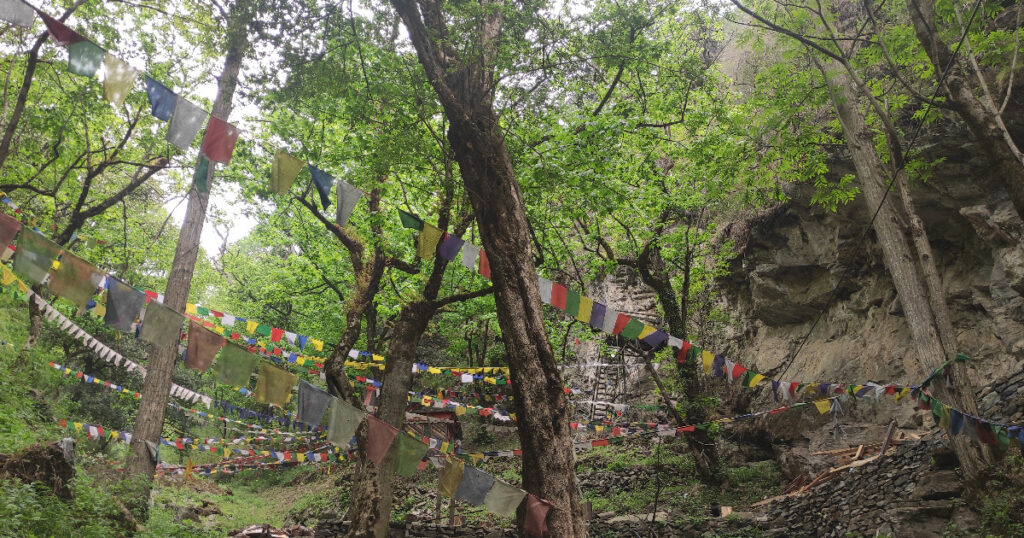
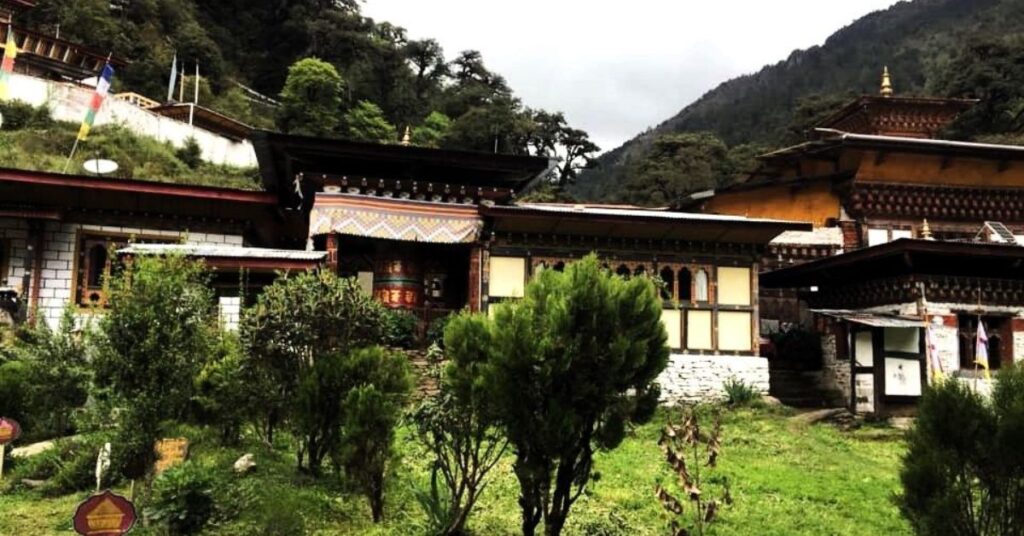
Tshelung Ney is the second Draphu Maratika where Guru Rinpoche received life empowerment (Tse Ngedrup) from Tsepakme. It is located in Tshaluna village, west of Thimphu Dzongkhag, at an elevation of 3063 masl. Guru Rimpoche and Khandro Yeshe Tsogyal blessed Tshelung Nye and concealed many sacred religious treasures in the 8th century.
After Guru’s retreat in Draphu Maratika in Nepal, he came to Tshelung Nye and meditated there before flying to Goen Tshephu, the third Draphu Maratika of Bhutan. Therefore, Tshelung Ney is considered the Second Maratika.
The other two sacred sites you can visit along the way are Domtsang Ney, Jagar Damkelsa Ney, and Khandro Ney.
How to Reach Tshelung Ney
Tshelung Ney is located 33 kilometers away from the capital city of Thimphu in Mewang Gewog under Thimphu Dzongkhag. From Thimphu, one needs to travel toward Chudzom on the Thimphu-Phuntsholing national highway. It is located about 18 km away from Khasadrapchhu. Take a diversion from Khasadrapchhu towards Gidakom Hospital, and you will take 1 hour to reach the parking. From there, walk for 5 minutes to reach Tshelung Ney.
Sacred Relics to See at Tshelung Nye
- Drupkhang (Hermitage) of Guru Rinpoche;
- Lhacham Pemasal’s Skull filled with the water of longevity;
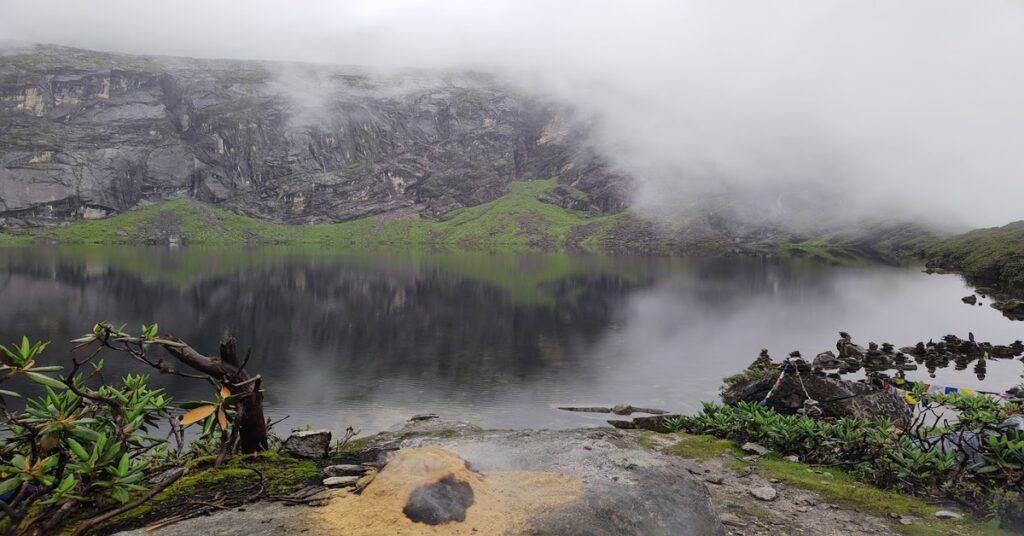
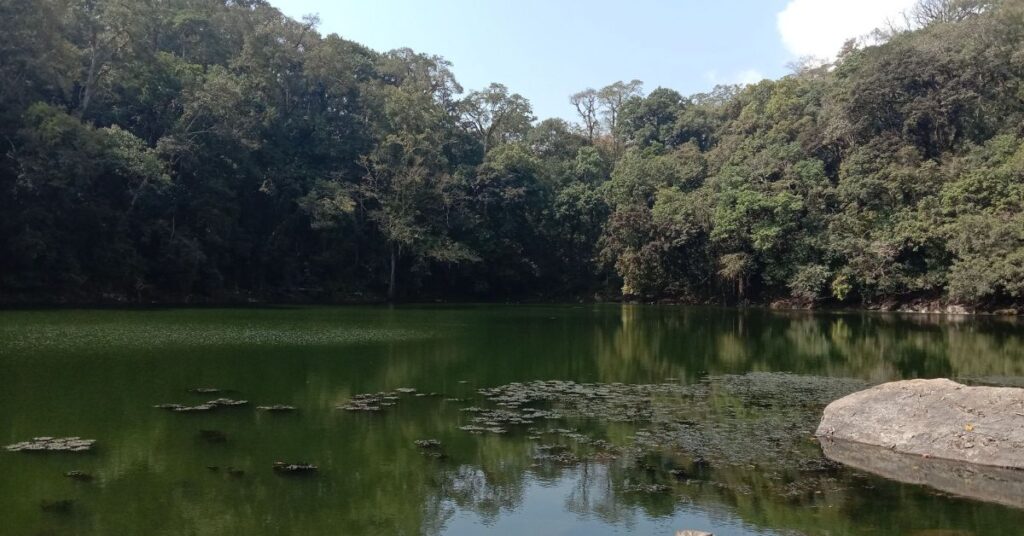
- Life Lake (Lhatsho), where Guru Rinpoche is believed to have hidden the sacred religious treasures;
- Religious Medicine Pill;
- A cave that defines our virtue and sin;
- A Rocky Tent Place where Guru Rinpoche did His contemplation;
- “Tse-chhu”, a Hundred Dakinis’ holy water for long life;
- A Skull of celestial beings;
- Hermitage of Khandro Namkha Drolma;
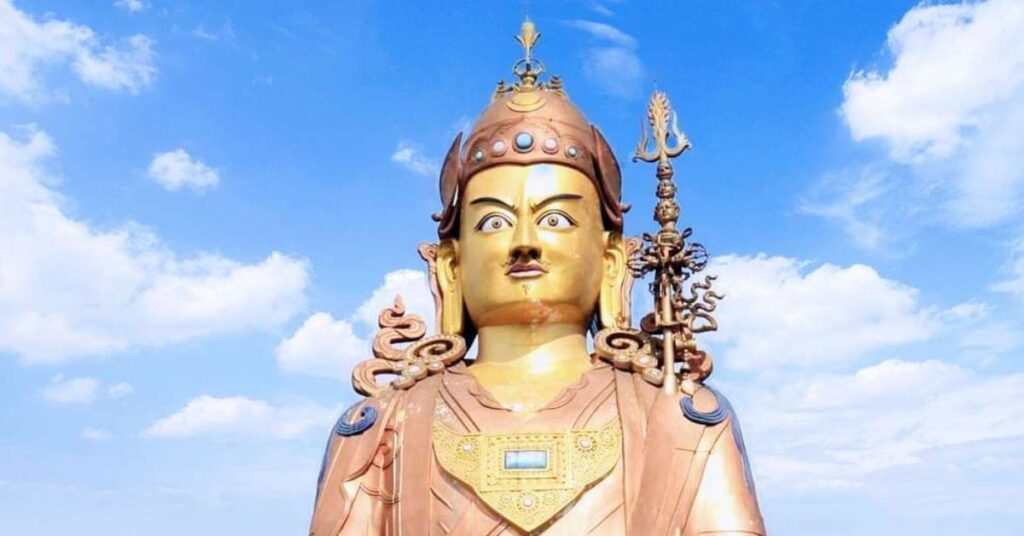
- A statue of Guru Rinpoche created by the 32nd Je Khenpo;
- Handprint of Guru Rinpoche;
- Rosary Bead, Wisdom Eye, and Gold Fish;
- Resting Place of Guru Rinpoche;
- Crown of Guru Rinpoche;
- The beak of Garuda;
- Stone vase;
- Guru Rinpoche’s Riding Horse.
Also Read: Guru Rinpoche in Bhutan: His Visits to Bhutan and Sacred Sites
Historical Significance of Tshelung Ney
During the 8th century, Guru Rinpoche and Khandro Yeshe Tsogyal visited the site, leaving their imprints and many other eye-catching artifacts on the rocks. It is said that after the Guru’s retreat in Draphu Maratika in Nepal, he came to Tshelung Ney and meditated before flying to Goen Tshephu, the third Draphu Maratika of Bhutan. Therefore, Tshelung Ney is considered the Second Maratika and is equally sacred as visiting the Maratika Cave of Nepal.
Also Read: Goen Tshephu Ney, the Third Draphu Maratika of Guru Rinpoche
Guru Rinpoche meditated in the hermitage of Tshelung Nye for 4 months. Here, Guru Rinpoche had a vision of Amitayus and offered a pair of longevity vessels while meditating there. Thus, the holy site’s name was Tselung Ney, a sacred place of prophetic longevity.
On his way to Paro via Pumola and Drela Dzong, Zhabdrung Ngawang Namgyal is also said to have personally visited the site.
Terton Drukdra Dorji received many prophecies from the Dakinis, and he came to Tshelung Ney to discover many powerful treasures. Many other prominent religious masters also blessed the Ney.
Description of Tselung Ney
The Ney is on a gentle slope, lopsidedly bifurcated by the river. The real pilgrimage starts by visiting a fascinating cave that defines our virtues and sins below the parking area. Toward the other side of the river is the remarkable Rocky Tent Place where Guru Rinpoche did His contemplation.
Sipping a palmful of “Tshe-chhu”, a Hundred Dakinis’ holy water for long life, ascend through the paved footpaths. On the right side of the Tse-chhu, a minute’s walk up, there’s a majestic Skull of celestial beings.
Before entering the Mani Dungkhor, on the right side, is a sacred Hermitage (Drupkhang) of Guru Rinpoche, where Guru Rinpoche meditated for 4 months. Here, Guru Rinpoche had a vision of Amitayus (Tsepakme) and offered a pair of longevity vessels while meditating there.
In front of the Lhakhang is a Guru’s Seat, where the Dharma treasure is hidden with a seal on the big rock. On the left side of the Lhakhang is the rock on which Guru Rinpoche performed the long-life ritual. Above the main temple is Lhacham Pemasal’s Skull, filled with the water of longevity, and Lhatso or Life Lake, where Guru Rinpoche is believed to have hidden the sacred religious treasures.
Crossing the river through a wooden bridge is a large rock with dents of different prints, namely the Hand Print of Guru Rinpoche, Rosary Bead, Wisdom Eye, and Gold Fish. Besides, there is the Resting Place of Guru Rinpoche and the enormous Crown of Guru Rinpoche.
Further up is the magnificent Beak of Garuda, crafted on the rock, and walking further, there are the exciting footprints of a cow and calf on the rock. Further up, you will find a stone vase where Guru and Khandro are believed to have taken a bath. Guru Rinpoche’s Riding Horse is to the right of the Beak of Garuda.
On the opposite side of the stone vase is one of the most important legacies, the Religious Medicine Pill.
Drupkhang of Khandro Namkha Drolma
Toward the far left of the Skull of Celestial Being, you will find an appealing Hermitage of Khandro Namkha Drolma of Pa-Chang, who formed her rainbow body.
The biography of Lam Drukpa Kunley mentions that Tsheluna is a hidden place in Pema-Gatshel, where he visited the site and asked the locals where Namkha Drolma was. As the locals replied that she was in the cave, Lam Drukpa Kuenley found her in contemplation. When Lam Drukpa Kuenley asked her about signs and symptoms, she suddenly stood up and held Lam’s leg to her forehead without uttering a word. In the middle of her esteemed devotion, the blessing of the Lam and her devotion turned the same, and Lam Drukpa Kuenley said that within a few days, her body would turn into a rainbow, after which Lam Drukpa Kunley returned.
Later, her body turned into a rainbow on the 15th Day of the First Month. If one is fortunate, one can hear the sound of dharma activities during the auspicious days.
Also Read: Chimi Lhakhang, the Fertility Temple of Drukpa Kunley
Tshelung Nye Temple
Once inside the temple, you will be mesmerized by the religiously sacred paintings and the holy Nangtens. The main relic of the Ney is the statue of Guru Rinpoche created by the 32nd Je Khenpo as per the prophecy. With the support of Her Majesty Queen Mother Ashi Kezang Choden Wangchuck and Ten-Sung-Lopen Dasho Wangchuck, the current monastery was renovated in the 1990s.
Tshelung Ney Festival
Tshelung Ney Monastery conducts Khando Singay Dongma Tshokor annually.
Best Time to Visit Tshelung Ney
It is advisable to visit during the autumn or early winter seasons, though visiting all seasons is possible; you cannot see all the sacred sites due to the swollen river. During the summer, road conditions get worse.
While returning from Tshelung Ney, don’t forget to visit Domtshang Ney, Jagar Damkelsa Ney, and Khandrom Ney on the way back to your destination. Both the Neys are located on the way to Tshelung Ney. You can visit major pilgrimage sites in Thimphu with the Bhutan Pilgrimage Package.
Other Sacred Sites to Explore Nearby
Domtsang Ney: It is a sacred meditative cave where Guru Rinpoche meditated in the 8th century. Known as “Bear’s Den,” it’s a revered pilgrimage site that features holy relics like his footprint, a stone bell, and a self-emanated syllable Ah.
Jagar Damkelsa Ney: It is a sacred cliff where the 13th-century Mahasiddha Drubthob Nagi Rinchen meditated to save his mother from hell. The site features a historic bamboo basket and wooden beam, symbolizing his miraculous meditation, making it an important yet lesser-known pilgrimage destination.
Khandro Ney: It is a sacred cave where the consort of the Guru Rinpoche is said to have meditated. The Nye is located an hour’s walk from the nearest road point at Bjemina under Mewang Gewog.
Chimithangkha Lhakhang: It is a sacred temple located in Chimithanka village in Bjemina.
Frequently Asked Questions
What is Tshelung Ney and why is it sacred?
Tshelung Ney is a revered pilgrimage site in western Thimphu, Bhutan, known as the “Second Draphu Maratika.” It is believed to be the place where Guru Rinpoche (Padmasambhava) meditated for four months in the 8th century and received the Tse Ngedrup (life empowerment) from Tsepakme (Amitayus), the Buddha of Longevity. The site is blessed with sacred imprints, artifacts, and hidden treasures left by Guru Rinpoche and Khandro Yeshe Tsogyal, making it one of Bhutan’s most important spiritual destinations for longevity blessings and meditation.
Where is Tshelung Ney located?
Tshelung Ney is situated in Tshaluna village, Mewang Gewog, under Thimphu Dzongkhag, at an elevation of approximately 3,063 meters above sea level. It lies about 33 kilometers west of Thimphu city, accessible via the Thimphu–Phuntsholing national highway. The site is roughly 18 kilometers from Khasadrapchhu, with a short diversion toward Gidakom Hospital leading to the parking area, followed by a five-minute walk to the main temple.
How do I reach Tshelung Ney from Thimphu?
To reach Tshelung Ney from Thimphu, drive toward Chudzom on the Thimphu–Phuntsholing highway for about 33 kilometers. After passing Khasadrapchhu, take a diversion toward Gidakom Hospital and continue for approximately one hour to reach the designated parking area. From there, a well-maintained footpath leads to the temple in about five minutes. The journey offers scenic views of the Khasadrapchu and Bjimina valleys, making it both a spiritual and visually rewarding trip.
What can pilgrims see and do at Tshelung Ney?
Visitors to Tshelung Ney can explore the sacred meditation cave where Guru Rinpoche practiced, view ancient rock imprints and artifacts, and participate in prayers for longevity and spiritual empowerment. The temple complex includes prayer halls, chortens, and natural formations believed to hold mystical significance. Pilgrims often circumambulate the site, offer prayers, and meditate in the serene environment, seeking blessings for health, long life, and spiritual growth.
Is Tshelung Ney suitable for all ages and fitness levels?
Yes, Tshelung Ney is accessible to pilgrims of all ages and fitness levels. The final approach from the parking area to the temple is a gentle five-minute walk on a paved path, making it suitable for families, seniors, and those with limited mobility. The site’s tranquil setting and minimal physical demands make it an ideal destination for spiritual reflection without strenuous trekking.
Can I combine Tshelung Ney with other nearby pilgrimage sites?
Absolutely. Tshelung Ney is part of a cluster of sacred sites in western Thimphu, including Domtsang Ney, Khandro Ney, and Jagardamkelsa Ney in Bjemina.
Why is Tshelung Nye important?
Tshelung Ney is important for several reasons. Firstly, it is a holy site of Guru Rinpoche and Khandro Yeshe Tsogyal, who meditated for 4 months and had a vision of Amitayus in the 8th century. Secondly, Guru Padmasambhava came to Tshelung Nye from a retreat in Draphu Maratika in Nepal and became the second Maratika. Thirdly, Tshelung Nye was blessed by many religious masters.
How do people promote Tshelung Nye?
People promote Tshelung Nye through various means, like the construction of road connectivity, infrastructure development, and offering guided tours to Tshelung Nye by local tour operators. The local communities also promote this sacred site through festivals, rituals, and other cultural events.