Skip to content

Bhutan

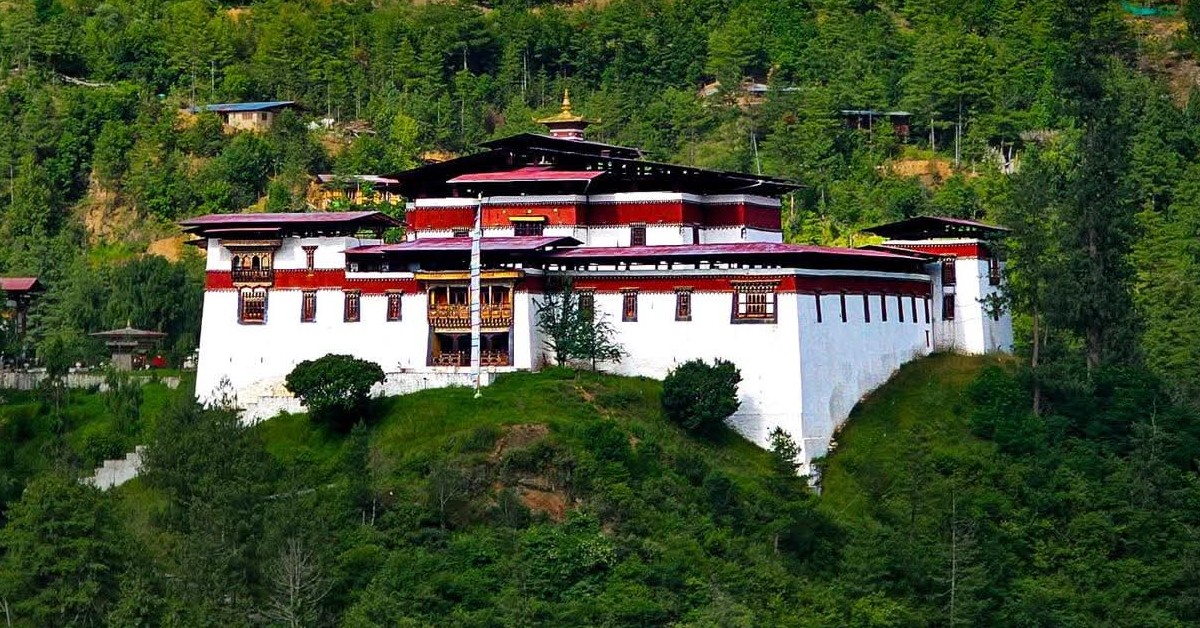
Trashigang Dzong, historic fortress-monastery overlooking Trashigang town in eastern Bhutan

Trashigang Dzong, the Sky Fortress on the Auspicious Hill

Trashigang Dzong, known as “The Fortress of the Auspicious Hill,” is one of the most striking historic fortresses in eastern Bhutan. Built in 1659 on a steep rocky spur above the confluence of the Drangme Chhu and Gamri Chhu, it was established under the direction of Zhabdrung Ngawang Namgyal to strengthen the authority of the Drukpa state in the eastern regions. For centuries, the dzong has served as a centre of administration, monastic life and community gatherings, and it remains the setting for the annual Trashigang Tshechu.
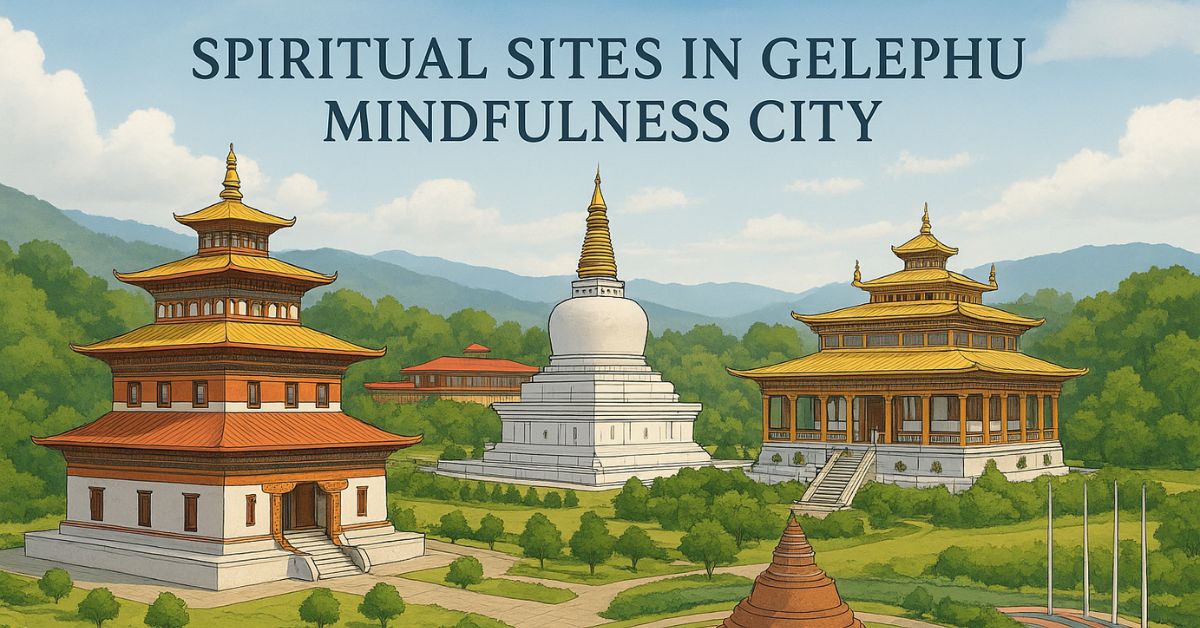
Buddhist temples, stupas and spiritual projects planned for Gelephu Mindfulness City, Bhutan

Spiritual Sites in Gelephu Mindfulness City

Spiritual sites in Gelephu Mindfulness City (GMC) include sacred chortens, temples, monasteries, retreat centres, Buddhist learning institutions and contemplative landmarks. Some are already completed, while others are being developed as part of His Majesty The King’s vision to make GMC a place where Bhutan’s living Vajrayana traditions can meet other Buddhist lineages and spiritual communities from around the world.

Shelkar Drak Lhakhang, the White Crystal Cliff Temple in Haa, Bhutan

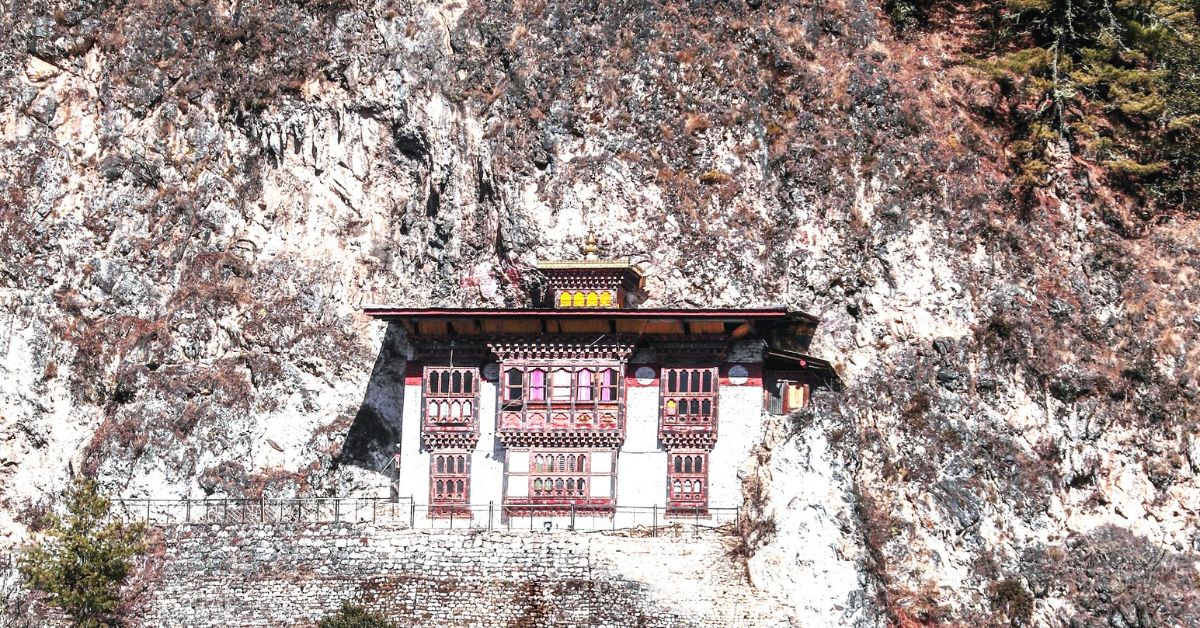
Shelkar Drak Lhakhang, a White Crystal Cliff Temple in Haa

Shelkar Drak Lhakhang, also known as Shekhar Dra Goemba, is a small retreat temple on the southern slope of Avalokiteshvara Hill in Haa Valley. Its name means “White Crystal Cliff” or “crystal crag,” referring to the pale limestone cliff that pilgrims partly whitewashed and the temple that appears to rise naturally from the rock face.

Mongar Dzong, the fortress-monastery overlooking Mongar town in eastern Bhutan

Mongar Dzong, the Fortress Above Mongar Town

Mongar Dzong is a 20th-century fortress and monastic centre on a gentle hillside above Mongar town in eastern Bhutan, at approximately 1,640 metres above sea level. Unlike many Bhutanese dzongs, it has two entrances opening into a shared courtyard used by both the district administration and the monastic community. Its construction history is often linked to the early Wangchuck period, although local accounts differ on the exact date and patronage. A major expansion, begun in 2010, was consecrated in September 2026.

Changangkha Lhakhang temple in Thimphu, Bhutan

Changangkha Lhakhang, the Sacred Site of Guru’s Celestial Horse

Changangkha Lhakhang, also known as Phagpa Ranjung Tsuglakha, is a temple dedicated to Avalokiteshvara. Its origins are closely associated with Phajo Drugom Zhigpo and his son Nyima Chog, whom local tradition credits with establishing the temple in the 13th century after witnessing Guru Rinpoche’s celestial horse, Changshey. Perched on the tip of a ridge extending from the eastern hills toward central Thimphu, it remains one of the valley’s most important living religious sites.

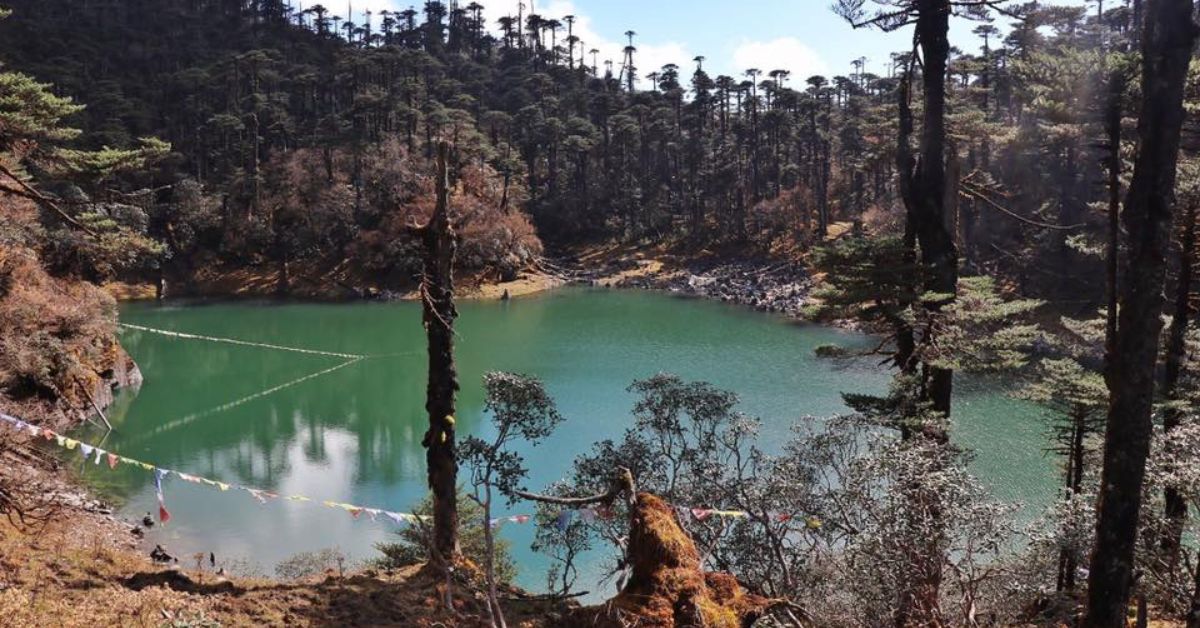
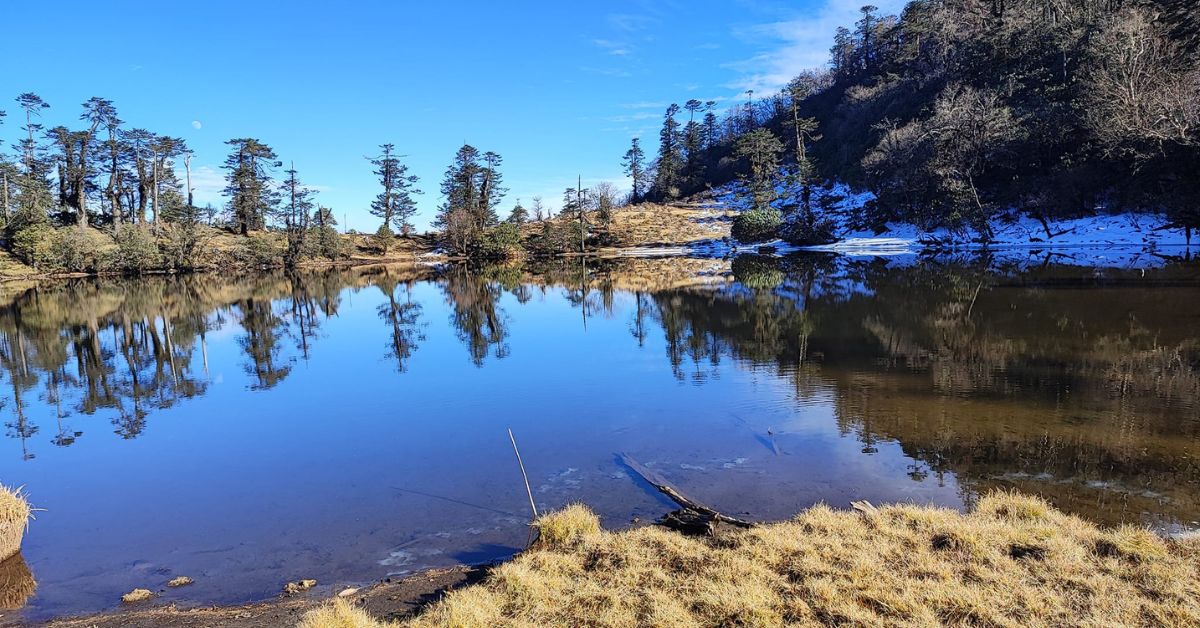
Jomo Dangling Tsho, sacred high-altitude lake in Bhutan

Dangling Tsho, the Sacred Summer Abode of Meme Dangling

Dangling Tsho is the historic lake associated with Meme Dangling, located north of Khaling Gewog in Trashigang Dzongkhag, eastern Bhutan. Set among a forest of fir trees, the sacred lake is reached by a long walk of around 7–8 hours from Khaling town.

Dangling Tsho is a remote sacred destination that may form part of a wider exploration of eastern Bhutan. See our Bhutan Pilgrimage Guide for other regional pilgrimage places and planning considerations.

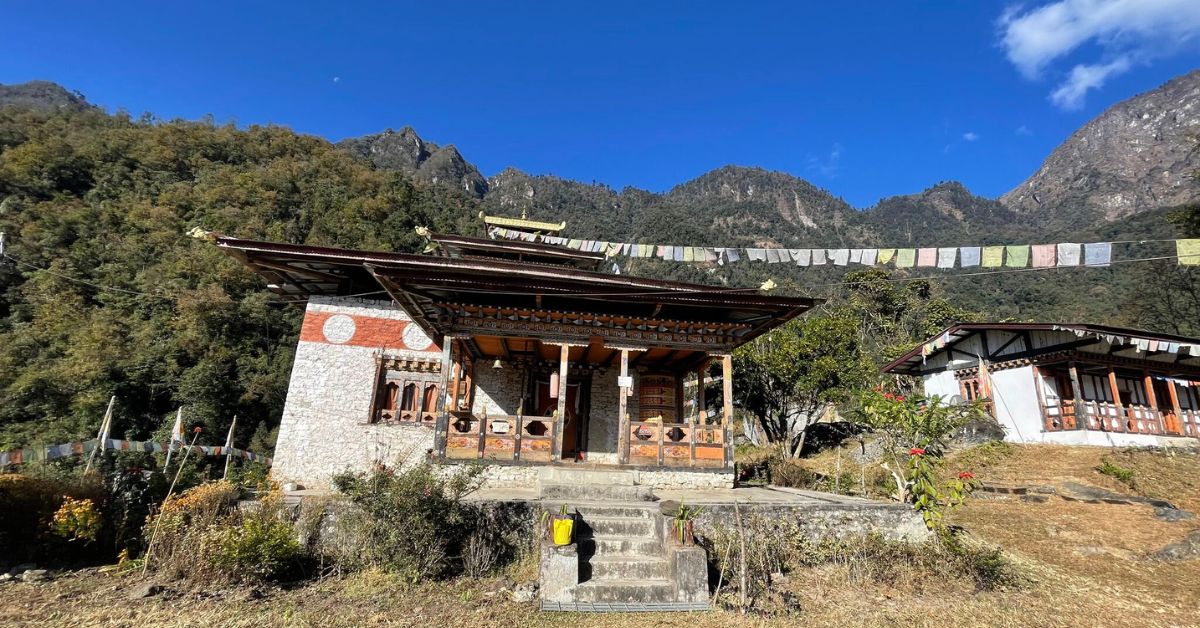
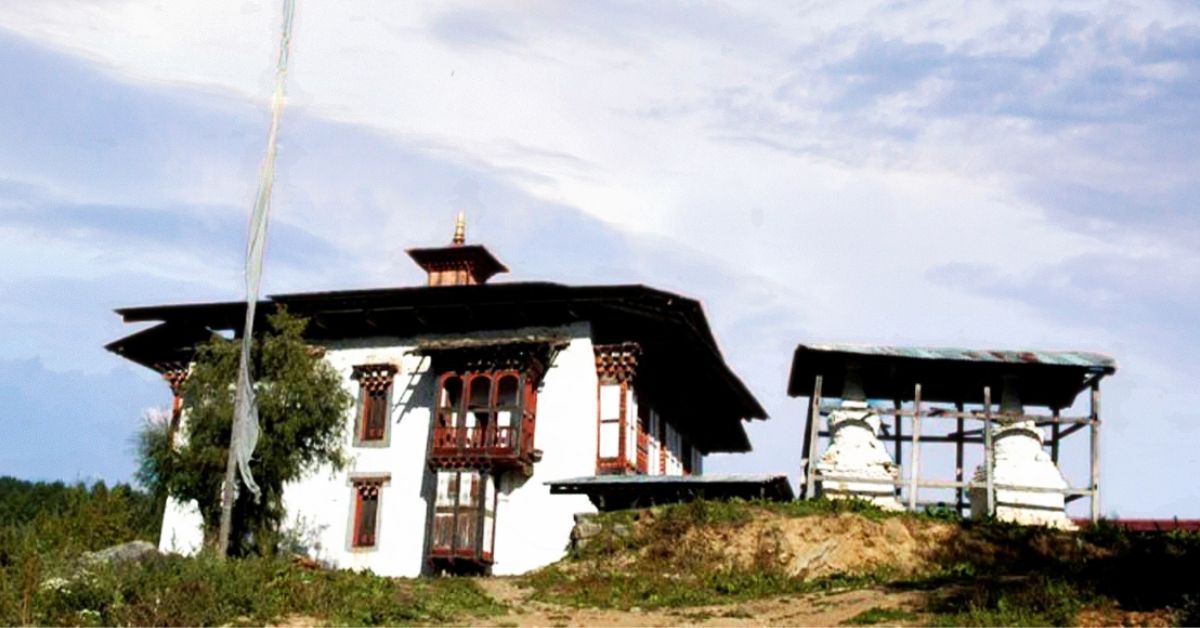
Kunzangling Lhakhang, Buddhist temple in the Kurtoe region of Lhuentse, Bhutan

Kunzangling Lhakhang, the Sacred Seat of Longchen Rabjam in Kurtoe

Kunzangling Lhakhang is one of the eight sacred lings associated with Kunkhyen Longchen Rabjam (Longchenpa). Traditionally dated to the 14th century, it stands in Kuenzangling village in Kurtoe Gewog, Lhuentse Dzongkhag, eastern Bhutan. The temple is an important destination for pilgrims following the sacred places connected with Longchenpa.

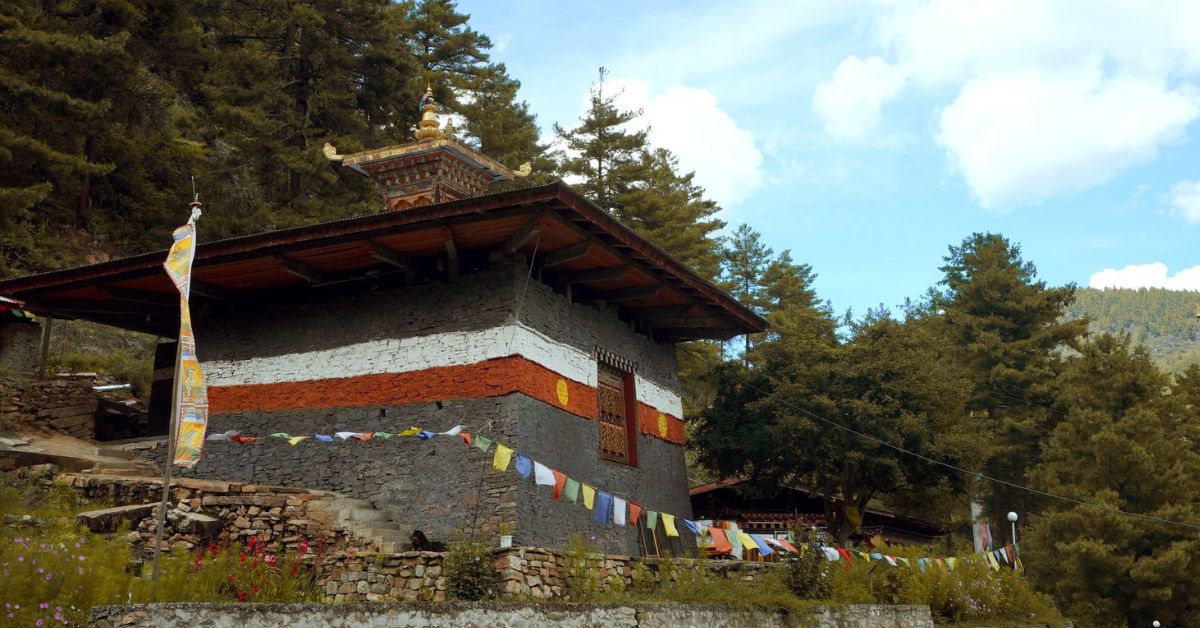
Lhakhang Nagpo, the Black Temple in Haa Valley, Bhutan

Lhakhang Nagpo, the Black Temple of Haa Valley

Lhakhang Nagpo, known as the “Black Temple”, is a one-storey temple in Dumchoe village, Eusu Gewog, Haa Dzongkhag. Traditionally attributed to the Tibetan Dharma King Songtsen Gampo and dated to 659 CE, it is associated with the tradition of the 108 temples established to subdue a demoness and protect the spread of Buddhism in the Himalayan region. The temple stands near the base of the sacred Meri Puensum Mountains, at an elevation of approximately 2,727 metres.

Palden Tashi Chholing Tsuglagkhang, Buddhist temple and religious centre in Phuentsholing, Bhutan

Palden Tashi Chholing Tsuglagkhang in Phuentsholing

Palden Tashi Chholing Tsuglagkhang, also known as Palden Tashi Chholing Shedra, is a Buddhist college in Phuentsholing. Ap Dophu and his family funded the construction, and it was inaugurated by His Holiness the 70th Je Khenpo, Trulku Jigme Choeda, on October 28, 2014.

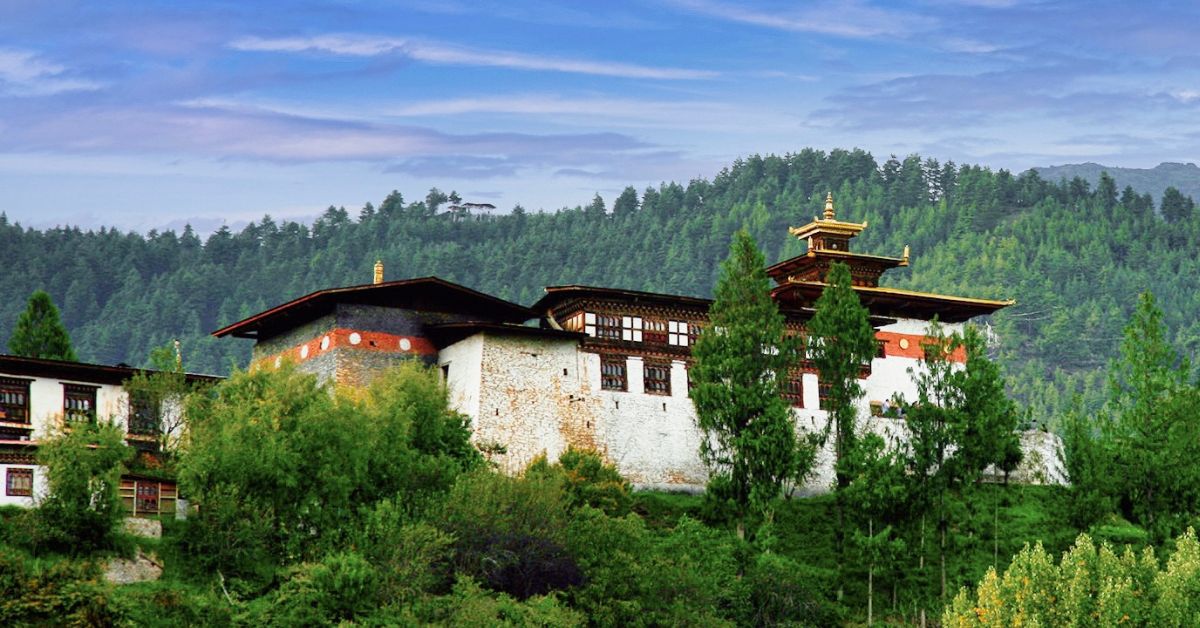
Simtokha Dzong, the historic fortress near Thimphu, Bhutan

Simtokha Dzong, the First Fortress built by Zhabdrung in Bhutan

Simtokha Dzong, also known as Sangak Zabdhon Phodrang, meaning ‘Palace of the Profound Meaning of Secret Mantras’, is the first dzong built by Zhabdrung Ngawang Namgyal in Bhutan. Built in 1629 at the junction of Sha, Wang, and Pa Sum, it fulfilled a prophecy and, according to the local religious tradition, subdued a demoness said to have harmed travellers. Although earlier dzongs and fortified sites existed in Bhutan, Simtokha is the oldest dzong to survive as a complete structure.

Prakhar Lhakhang in Chumey, Bumthang, a historic temple associated with the white-monkey legend

Prakhar Lhakhang, the Temple built by White Monkeys in Bumthang

Prakhar Lhakhang, also known as Trakar Lhakhang or Prakhar Ngatshang, is a complex of temples and a mansion (ngatshang) in the Chume Valley of Bumthang Dzongkhag. It was founded by Tenpe Nyima, the grandson of Terton Pema Lingpa, with the help of white monkeys in the 16th century.

Include Prakhar Lhakhang in a wider exploration of Bhutan’s sacred places with the help of our Bhutan Pilgrimage Guide, which covers regional destinations and pilgrimage customs.