Skip to content

Bhutan

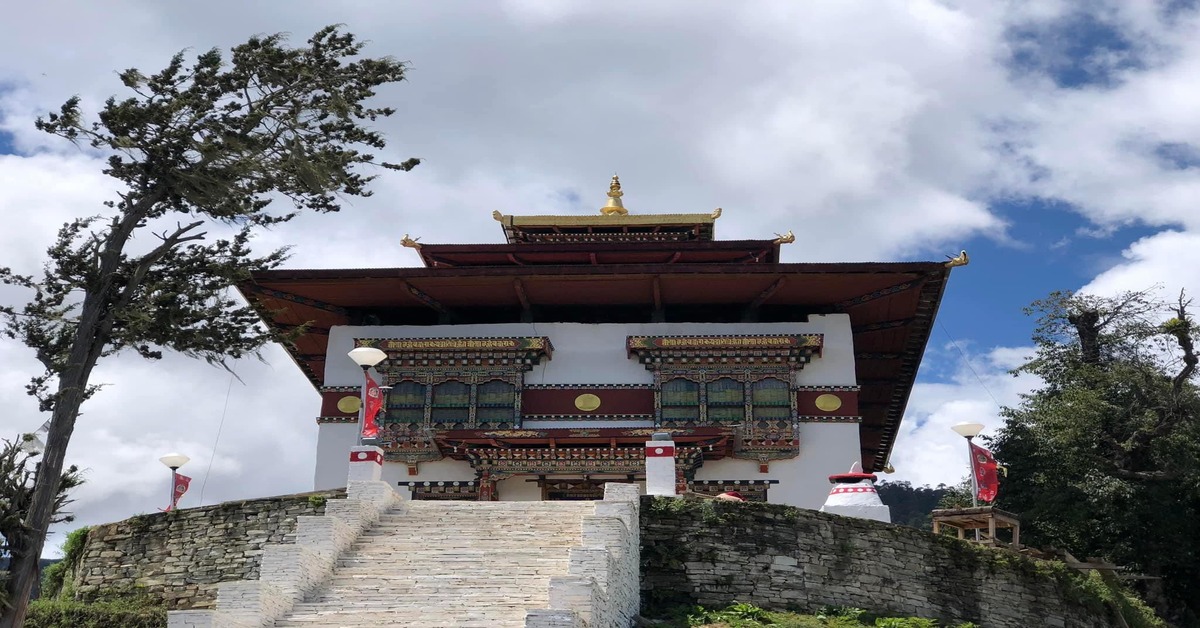
Kurjey Lhakhang, sacred monastery complex with three temples in Bumthang, Bhutan

The Lotus-Born Trail: Following Guru Rinpoche’s Sacred Journey Across Bhutan

The Lotus-Born Trail, also written Lotus Born Trail and sometimes called the Padmasambhava Trail, is a developing pilgrimage and cultural heritage route in Bhutan. Planned to cover approximately 150–200 kilometres, it connects Gelephu Mindfulness City in southern Bhutan with Kurjey Lhakhang in Bumthang, passing through the landscapes and communities associated with Guru Rinpoche’s sacred journey. The route rises from subtropical lowlands towards the forests and high valleys of central Bhutan.

For an overview of the sacred landmarks at the southern gateway of this route, see our guide to spiritual sites in Gelephu Mindfulness City, including temples, chortens, monasteries and developing pilgrimage projects.

If you are exploring pilgrimage beyond this developing route, our Bhutan Pilgrimage Guide introduces sacred destinations and pilgrimage traditions across the country.
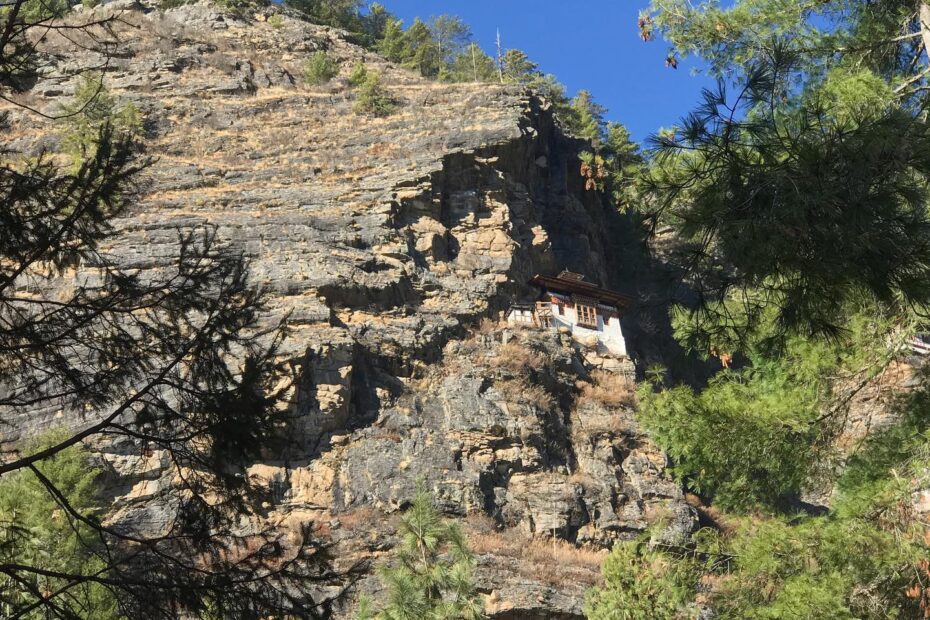
Jungney Dra Lhakhang perched on a sacred cliff among pine trees in Haa, Bhutan

Jungney Dra Lhakhang, Haa: Sacred Cliffside Hermitage

Jungney Dra Lhakhang, also known as Jungney Drak or Juneydrak, is a sacred cliffside hermitage in Katsho Gewog, Haa Dzongkhag, Bhutan, perched at approximately 2,900 metres above sea level. The site is associated with Guru Rinpoche and Machig Labdron, and local religious tradition regards it as an abode of 100,000 dakinis.

The 108 Jangchub Chortens in Gelephu Mindfulness City

The 108 Stupas of Gelephu: The Meaning and Vision Behind Project 108

108 Stupas in Gelephu Mindfulness City, known as the 108 Jangchub Chortens, are among Bhutan’s most remarkable recent expressions of faith, unity and collective service. This guide to the 108 Stupas in Gelephu explains their Buddhist significance, the story behind Project 108 and what visitors should know before travelling. On 1 November 2026, an extraordinary national effort raised 108 sacred stupas, each 15 metres tall, along the Mau Chhu (also known as the Aie River) in southern Bhutan.

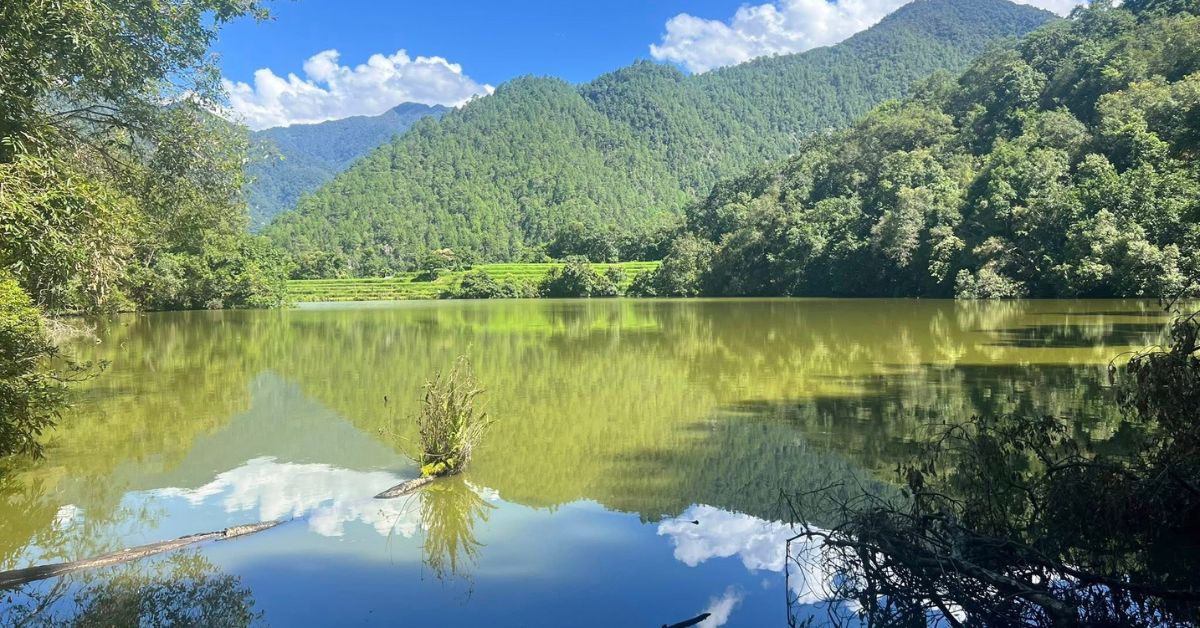
Athang Tsho, sacred lake of the Peling tradition in Phagtakha, Athang Gewog, Wangdue Phodrang, Bhutan

Athang Tsho, the Lhatsho of the Peling Tradition

Athang Tsho, also known as Adha Tsho, is a sacred Tshomen lake believed by devotees to bestow blessings of wealth, beauty and loyalty. It lies above Lopokha village in Phagtakha Valley, on a plateau beside paddy fields, at an altitude of approximately 1,300 metres in Athang Gewog, Wangdue Phodrang Dzongkhag.

Thangbi Mewang Festival at Thangbi Lhakhang in Choekhor, Bumthang

Thangbi Mewang Festival 2027: Dates, Fire Blessing & Visitor Guide

Thangbi Mewang Festival, also known as Thangbi Mani, is an annual Buddhist celebration at Thangbi Lhakhang in Choekhor, Bumthang. It is best known for the Mewang, or fire-blessing ceremony, when devotees traditionally leap across a ritual fire, alongside sacred mask dances, offerings and village gatherings.

To combine this festival with visits to other sacred places in Bhutan, see our Bhutan Pilgrimage Guide for regional destinations and journey-planning advice.

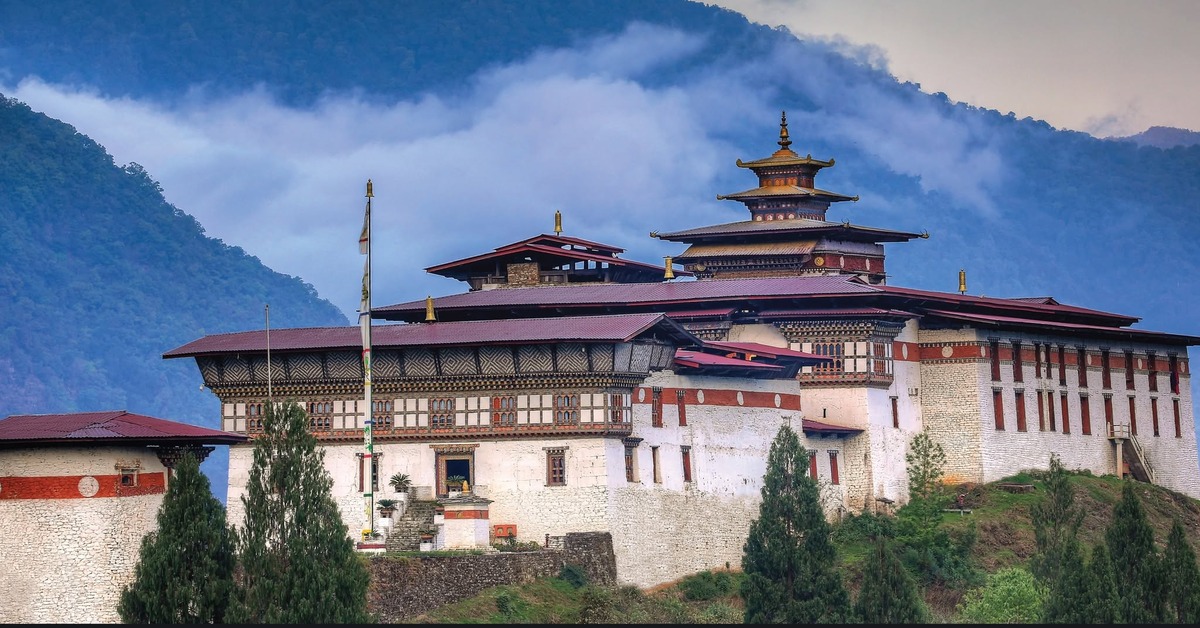
Dagana Dzong

Dagana Dzong: The Last Fortress Built by Zhabdrung Ngawang Namgyal

Dagana Dzong, also known as Daga Trashiyangtse Dzong or Lho Druk/Daga Trashiyangtse Dzong in historical references, is a historic fortress-monastery in southern Bhutan. It stands on a ridge overlooking the Dagana valley and is widely recognised as the last of the major dzongs built under the command of Zhabdrung Ngawang Namgyal. Construction was completed in 1651, and the dzong became an important centre for extending central authority into the south.

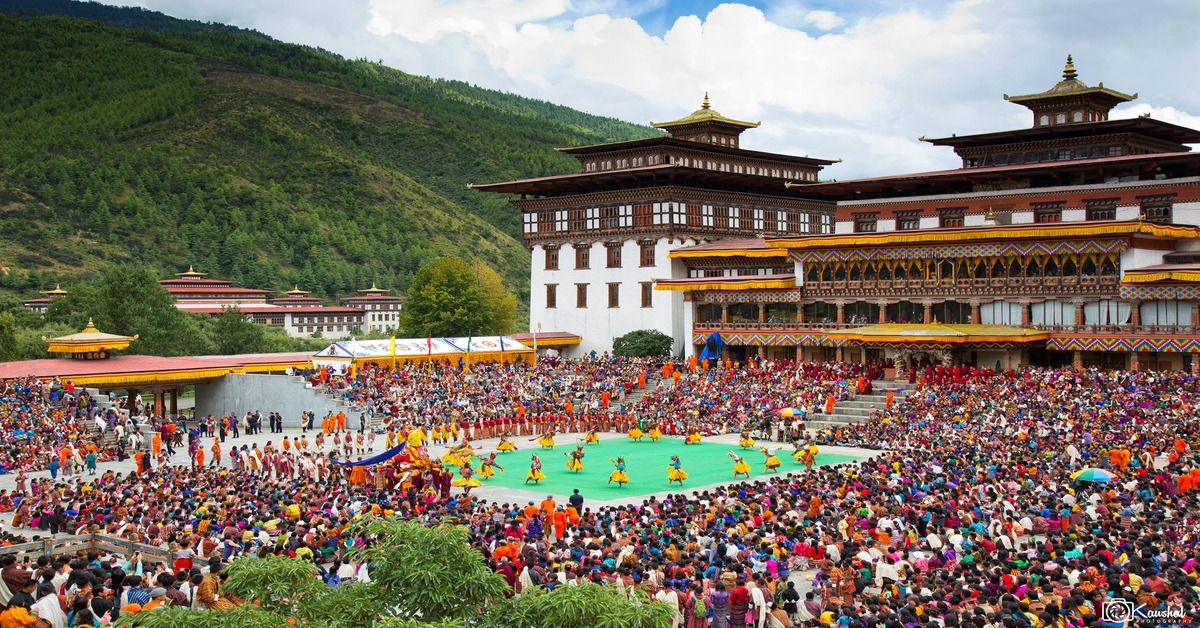
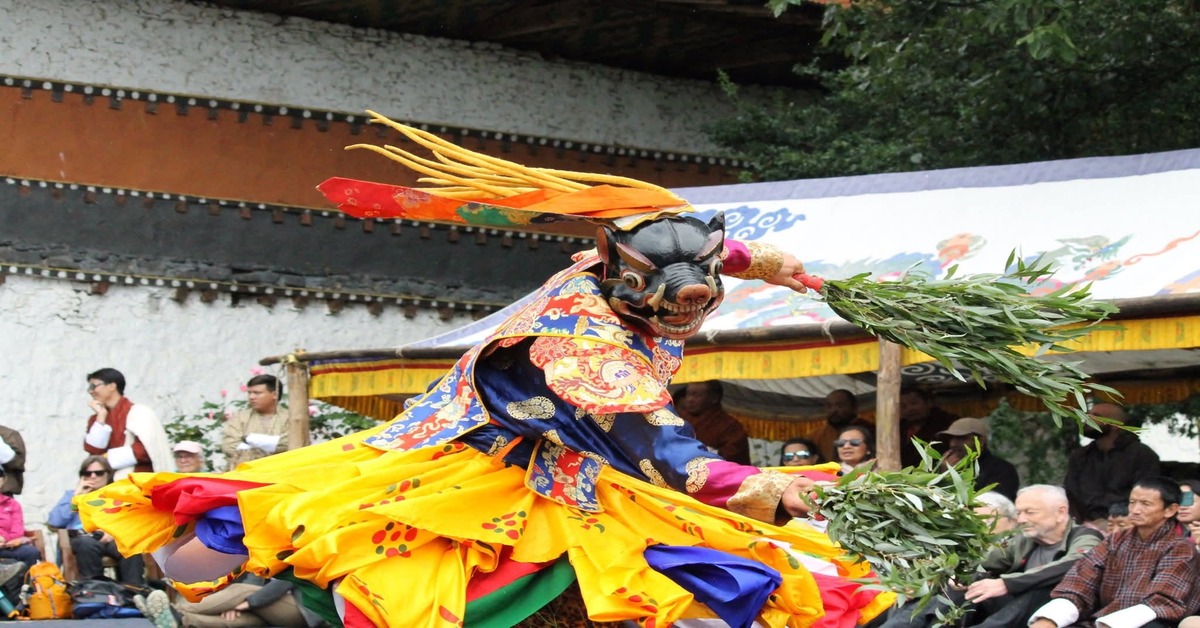
Masked dancers performing during Thimphu Tshechu at Tashichho Dzong, Bhutan

Thimphu Tshechu 2027: Dates, History & Sacred Dances

Thimphu Tshechu is an annual religious festival held from the 10th to the 12th day of the 8th month of the Bhutanese lunar calendar in Tendrel Thang, outside Tashichho Dzong. Gyalse Tenzin Rabgye initiated the festival in 1670 to honor Guru Rinpoche.  

Visitors planning a wider spiritual journey can also use our Bhutan Pilgrimage Guide to explore sacred sites and practical pilgrimage advice across the country.

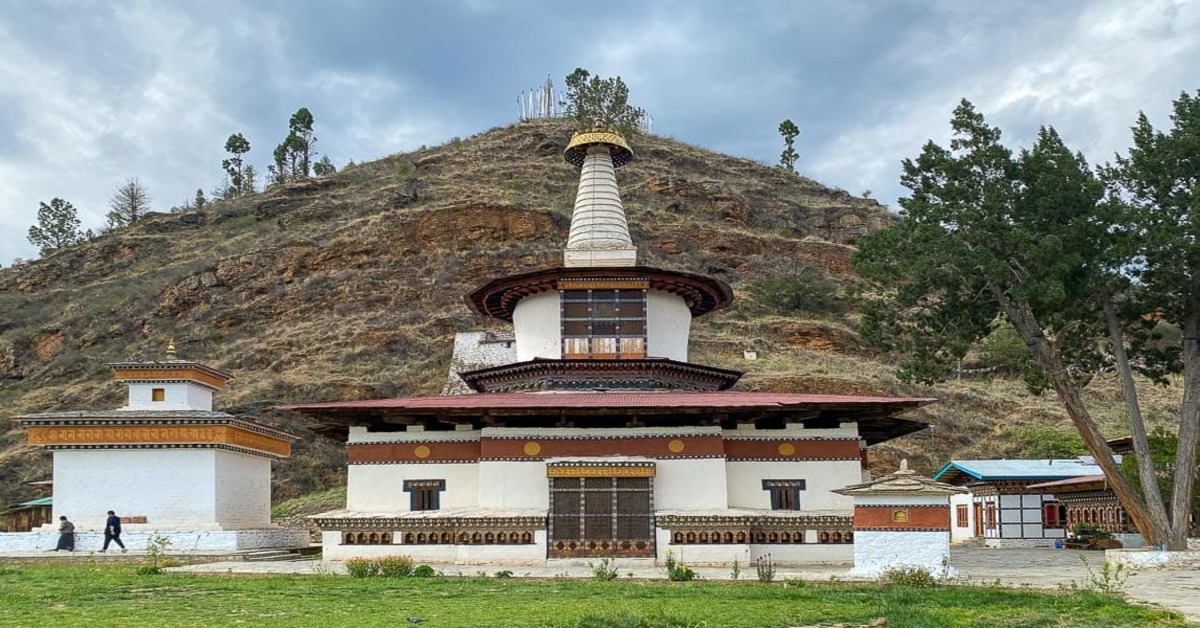
Jangtsa Dumtseg Lhakhang, the three-storey chorten-shaped Buddhist temple in Paro, Bhutan

Jangtsa Dumtseg Lhakhang (Dungtse), Paro: History & Visitor Guide

Jangtsa Dumtseg Lhakhang, also known as Dungtse Lhakhang or Dumgtseg Lhakhang, is a remarkable three-storey Buddhist temple built in the shape of a chorten (stupa) in Paro, Bhutan. Local tradition attributes its construction to the Tibetan master Thangtong Gyalpo, usually dated to 1421, although some sources give 1433. Set on a hill across the Pa Chhu River from Paro town, the temple is renowned for its unusual architecture, richly painted interior and stories of the spiritual power associated with its site.

Tamzhing Phala Choepa annual religious festival at Tamzhing Lhakhang in Bumthang, Bhutan

Tamzhing Phala Choepa 2027: Dates, Boar Dance & Visitor Guide

Tamzhing Phala Choepa (also written as Tamshing Phala Chhoepa in some festival calendars) is a distinctive annual religious festival held at Tamzhing Lhakhang in the Choekhor Valley of Bumthang, central Bhutan. Dedicated to the spiritual heritage of the great treasure revealer Terton Pema Lingpa, the festival is especially known for its rare boar dance, sacred mask dances and traditional blessings.

If you wish to combine this festival with visits to other sacred places, our Bhutan Pilgrimage Guide introduces pilgrimage destinations and traditions throughout Bhutan.

Thimphu Lhamoi Dromchoe (Drubchen)

Thimphu Lhamoi Dromchoe (Drubchen) 2027

Thimphu Lhamoi Dromchoe, also known as Thimphu Drubchen or Lhamoi Dromchoe, is an annual sacred Buddhist observance dedicated to Pelden Lhamo (Palden Lhamo), Bhutan’s principal female Dharma protector. The public celebration takes place in the courtyard of Tashichho Dzong in Thimphu and is centred on prayers and the sacred Lhamoi Tshomi Kuncham mask dance.

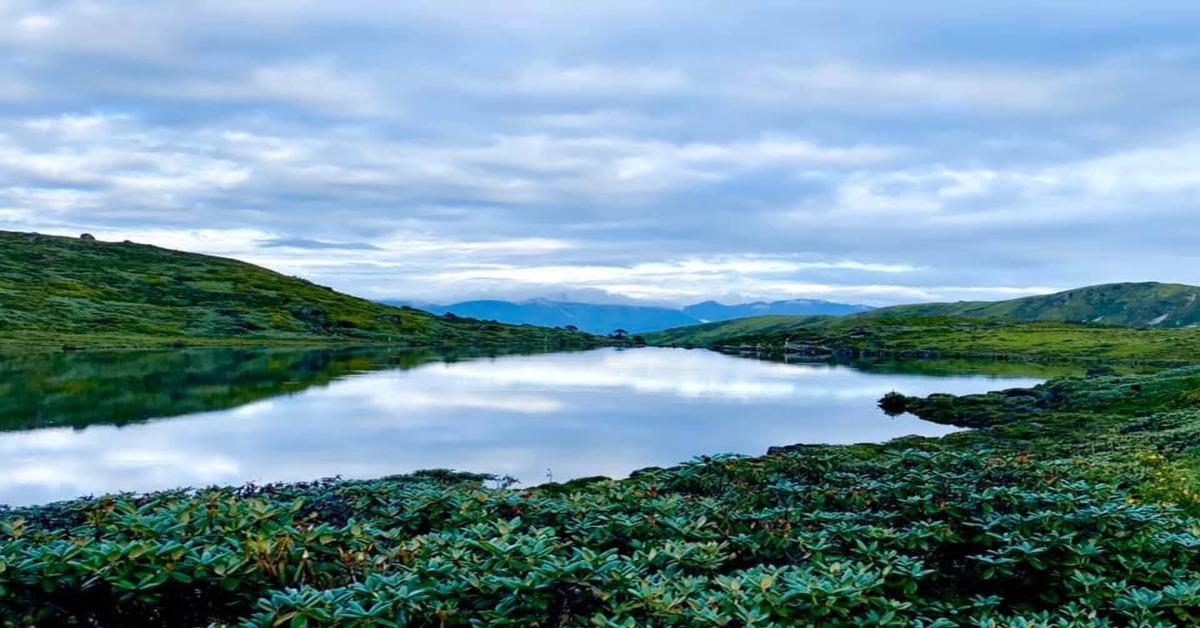
Nub Tshona Patra, sacred high-altitude treasure lake in Haa, Bhutan

Nub Tshona Patra, the Treasure Lake of Terton Sherab Mebar

Nub Tshona Patra, often translated as “The Great Lake in the West,” is a sacred high-altitude lake in the Haa region of western Bhutan, associated with the ancient trade route between Haa and Tibet. Bhutanese Buddhist tradition links the lake with the treasure revealer Terton Sherab Mebar, who is said to have discovered sacred objects there. The marked trekking route climbs from about 3,278 to 4,200 metres. The trek is remote and is usually planned over several days.

Ugyen Guru Lhakhang in Pangbisa village, Paro, home to relics associated with Terton Sherub Mebar

Ugyen Guru Lhakhang, the Home to Terton Sherab Mebar’s Head Relic

Ugyen Guru Lhakhang, also known as Pangbisa Guru Lhakhang or Ugen Lhakhang, is a sacred temple in Pangbisa village, Lungnyi Gewog, Paro Dzongkhag, Bhutan, above Paro Valley. Traditionally attributed to Terton Sherub Mebar (1267–1326), also known as Pangbi Lam, the temple is closely associated with his life and treasure discoveries. Its most revered treasures include the Terton’s head relic, a spoken statue of Guru Rinpoche, the sacred globule Pangbi-reb and ritual objects connected with Nub Tshona Patra.