
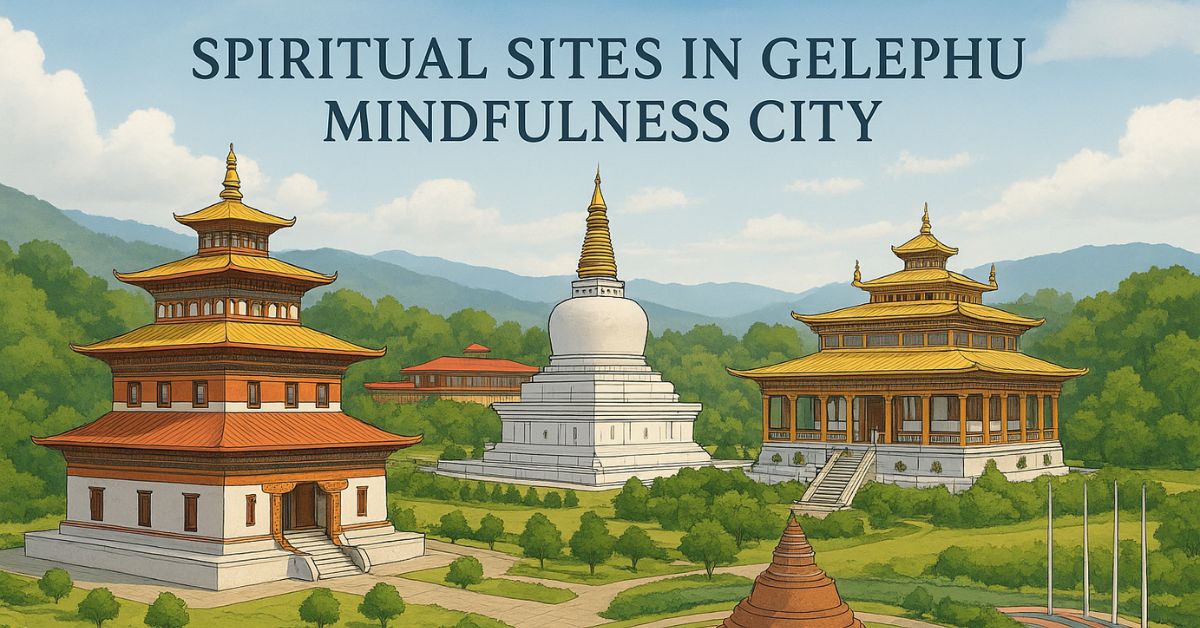
Spiritual sites in Gelephu Mindfulness City (GMC) include sacred chortens, temples, monasteries, retreat centres, Buddhist learning institutions and contemplative landmarks. Some are already completed, while others are being developed as part of His Majesty The King’s vision to make GMC a place where Bhutan’s living Vajrayana traditions can meet other Buddhist lineages and spiritual communities from around the world.
Planning a spiritual visit to Gelephu?
Explore the sacred sites, emerging pilgrimage landmarks and spiritual traditions of Gelephu Mindfulness City. Contact us to plan a visit around confirmed public access and local arrangements.
WhatsApp UsSpirituality is not simply one attraction within the new city. It is intended to shape the character of GMC itself, connecting sacred places with pilgrimage, learning, meditation and the natural landscape of southern Bhutan.
The wider programme has been publicly reported as 22 approved sacred projects following the 2026 approval rounds. The current GMC Spiritual Foundations directory displays 14 projects as formally recognised. The wider list below preserves the projects announced across the different rounds. Formal recognition, construction and public access are separate stages, so not every project is complete or open to visitors.
Table of Contents
What is Gelephu Mindfulness City?
Gelephu Mindfulness City (GMC) is a bold, future-focused initiative envisioned by His Majesty The King of Bhutan to build the world’s first Mindfulness City.
GMC was established as a Special Administrative Region (SAR) by Royal Charter in February 2024. Its governance is guided by the principle of One Country, Two Systems, giving the region substantial autonomy while remaining part of the Kingdom of Bhutan. The city’s development is guided by the Diamond Strategy and the broader idea of mindful prosperity.
The SAR is intended to attract global expertise, investment and innovation while grounding its development in Bhutanese identity, spirituality and care for the natural environment. Its long-term vision brings modern economic activity together with the country’s cultural and spiritual values.
Where is Gelephu Mindfulness City located?
Gelephu Mindfulness City lies in the southern plains of Bhutan, bordering the Indian state of Assam. The current GMC development area covers approximately 4,046 km², or about 10 percent of Bhutan’s land area. Its location gives the region an important connection with neighbouring communities and transport routes across the southern border.
How to Reach Gelephu Mindfulness City
Gelephu can be reached by road from other parts of Bhutan. Domestic flights also connect Paro and Gelephu, making air travel an option for visitors coming from western Bhutan. Drukair has added a third weekly Paro–Gelephu service on Wednesdays for the period September 2026 to January 2027; flight days and times are subject to change, so check the latest schedule before travelling.
Gelephu also has an international air connection with Kolkata, India. Drukair launched the Gelephu–Kolkata service in December 2025, creating a direct regional gateway for travellers. Confirm current operating days, immigration arrangements and ticket availability with the airline before planning an international arrival through Gelephu.
GMC’s longer-term transport plans include additional international air links and a proposed cross-border railway from Assam, India. These are future infrastructure plans rather than transport options that visitors can currently rely on. For now, road travel and scheduled flights are the practical ways to reach Gelephu.
The 8 Core Industries and Sectors of Gelephu Mindfulness City
GMC’s development is organised around eight core industries and priority sectors:
- Spirituality
- Health & Wellness
- Education & Knowledge
- Agri-tech & Forestry
- Green Energy & Technologies
- Finance & Digital Assets
- Aviation & Logistics
- Tourism
These sectors collectively aim to establish a new model of a sustainable, future-ready city grounded in Bhutanese values.
Also Read: Gelephu Tshachu, a Hot Spring that cures Illnesses and gives Glowing Skin
The Spirituality Sector
The spirituality sector brings together Buddhist temples, chortens, monasteries, retreat centres, research and learning institutions, and contemplative spaces. It also connects individual sacred projects with wider pilgrimage initiatives such as the Lotus Born Trail, which follows the sacred journey of Guru Rinpoche from Gelephu through central Bhutan to Kurje Lhakhang in Bumthang.
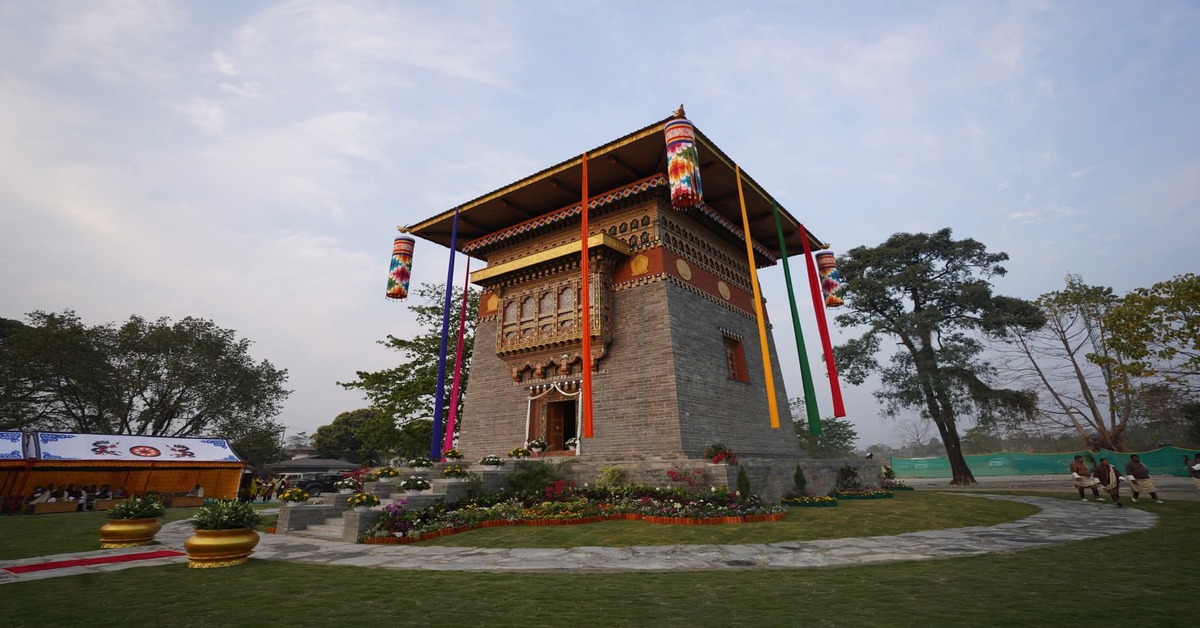
Accordingly, His Majesty the King granted Royal Edicts (Royal Kashos) for the establishment of eight spiritual projects on 12 May 2025. Two Royal Projects, along with a project by the Central Monastic Body, have also received royal approval. The ceremony took place at Simtokha Dzong, with Gyalpoi Zimpon Dasho Ugyen Namgyel presenting the Royal Edicts.
Later, on 16 October 2025, three new spiritual projects received Royal Approval, with the Royal Edicts handed over by Dasho Zangla Namgyel, Secretary of Dratshang Lhentshog, at Changangkha Lhakhang.
On 1 May 2026, His Majesty The King granted Royal Kashos (Royal Edicts) to eight new spiritual projects. The Kashos were granted at a ceremony held at Semtokha Dzong, Bhutan’s oldest dzong and a historic seat of Buddhist learning. These projects include a 200-foot stupa, a three-dimensional mandala of the bardo experience, a sacred campus inspired by Amitabha’s Pure Land, healing gardens, retreat spaces, and centres for mindfulness and contemplative leadership. Drawing from multiple Buddhist lineages, they form the sacred foundation of GMC as a Buddhist city.
His Majesty declared GMC a Buddhist city with the intention of making it a home for every major Buddhist tradition. These projects reflect that commitment and contribute to a broader vision where monasteries, institutions, and research centres coexist with sectors such as green energy, health and wellness, agritech, and financial services.
These initiatives draw on different Buddhist traditions and include both Royal Projects and projects led by Bhutanese and international spiritual masters. Their scale and purpose vary: some are monumental sacred landmarks, while others are intended for meditation, monastic education, research, healing and long-term spiritual practice. Each project is progressing at its own pace.
Spiritual Projects in Gelephu Mindfulness City
The projects below bring together the sacred landmarks and institutions announced across the different approval rounds. Some are Royal initiatives; others are led by Bhutanese and international Buddhist masters. The descriptions explain each project’s purpose and vision, but do not imply that every site is completed or open to the public.
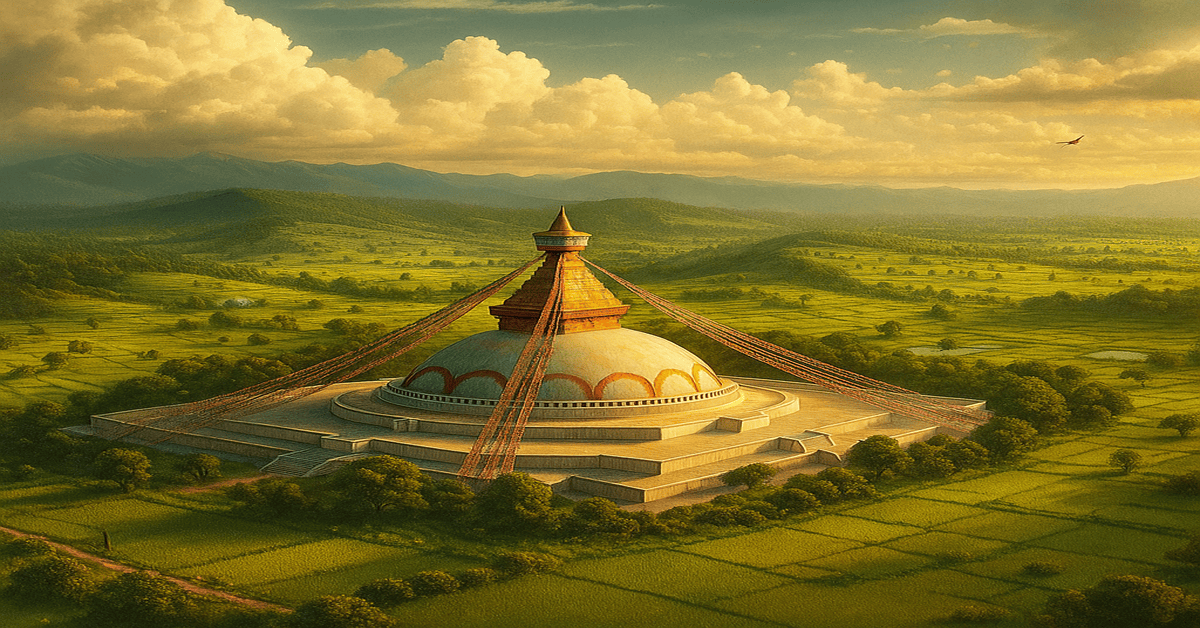
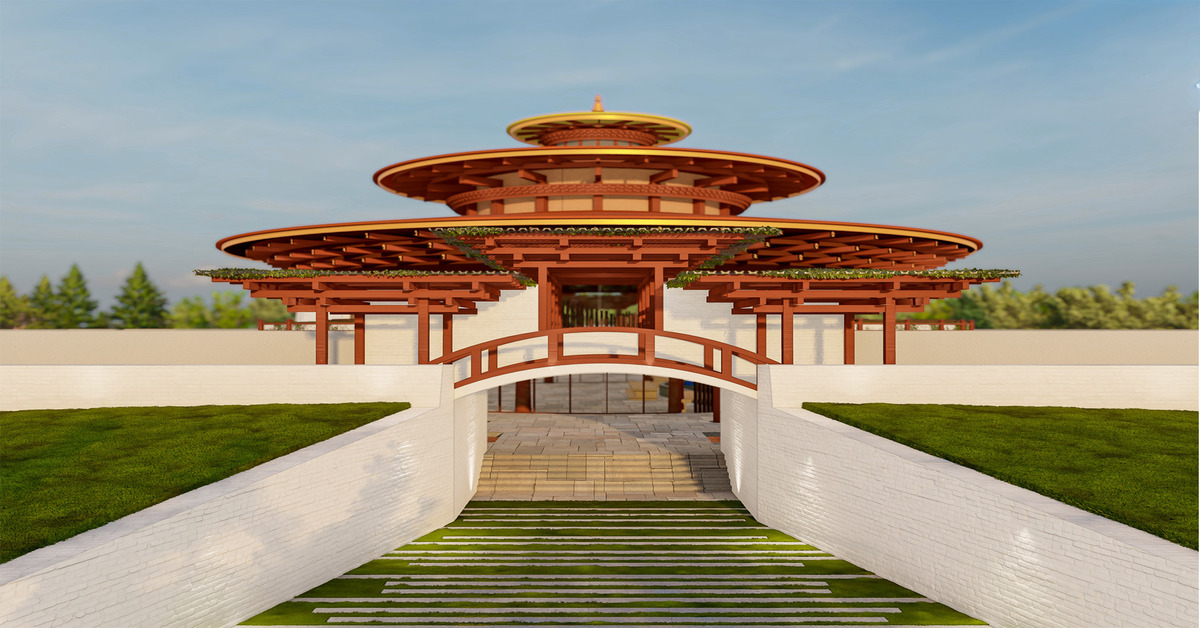
- Gelephu Chorten (Jarung Khashor Choeten): A planned monumental stupa inspired by the Jarung Khashor Choeten (Boudhanath), symbolising harmony, enlightenment and unity. It is a Royal Project initiated by His Majesty The King; it should not be confused with the already completed Ugyen Norlha Chorten at the border entrance.
- Guru Nangsid Zilnon Lhakhang: A planned temple modelled on Bumthang Kurje Lhakhang, dedicated to Guru Nangsid Zilnon, revered for dispelling obstacles and negativity. The temple is being developed as a Royal Project under the personal initiative of His Majesty The King.
- Ugyen Norlha Chorten: A sacred stupa at the Gelephu entry point from India, consecrated on 21 February 2026. Its prominent Ugyen Norlha image and sacred contents make it a symbolic gateway welcoming visitors into GMC.
- Barchey Kuensel Chorten: A grand stupa encircled by 108 smaller stupas, representing universal peace and well-being, led by Khenpo Karma Wangchuk.
- Dorden Tashi Gomang Chorten: Inspired by the Dorjidhen Stupa of Bodh Gaya, this stupa-temple serves as a replica of Buddha’s enlightenment site for visitors. The project is led by His Eminence Trizin Tsering Rinpoche (Lam Tshering Wangdi).
- Drikung Kangyur Labyrinth: A contemplative labyrinth infused with sacred Buddhist scriptures to guide mindfulness and a reflective walk. It was envisioned by His Holiness Drikung Kyabgon Chetsang Rinpoche.
- Druk Ugyen Samye Ling: A spiritual site to uphold the Buddha Dharma in keeping with Bhutan’s profound spiritual lineage. This replica of Samye Monastery is led by His Eminence the 7th Namkhai Nyingpo Rinpoche.
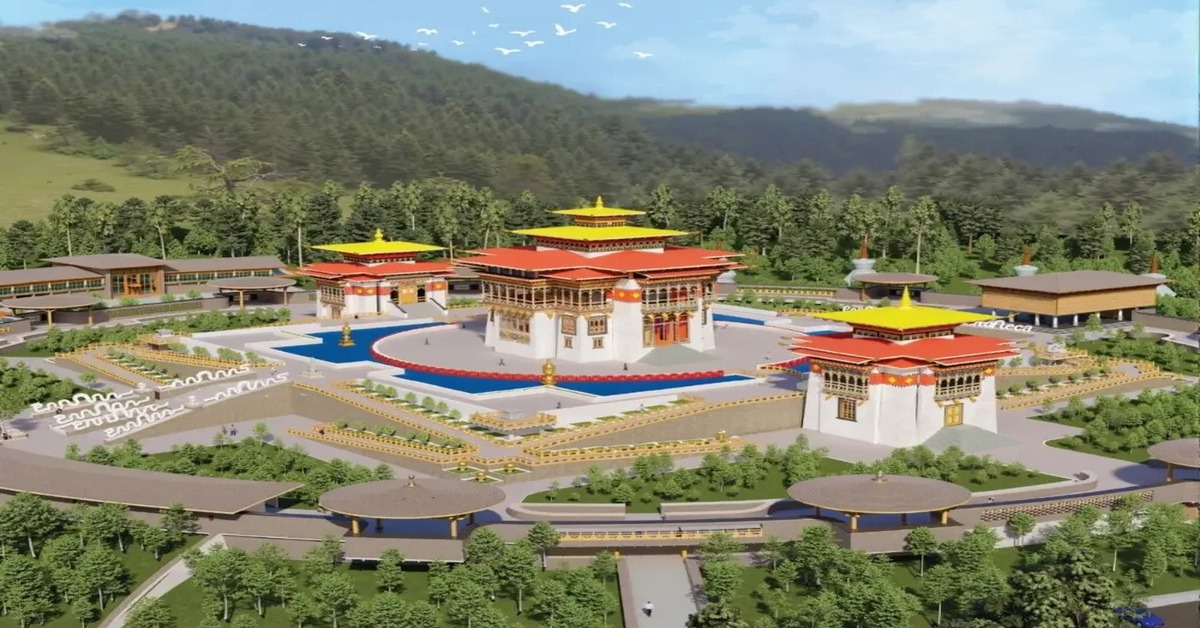
- Gelephu Dzong (Shambhala Dzong): A major Vajrayana training and sacred-arts centre led by the Central Monastic Body. Initial construction activities, including labour camps and workspaces, have begun at the site near the base of Phulari. The dzong is planned within a wider 50-acre campus.
- Gelephu Maitreya Temple: A temple dedicated to Maitreya, the future Buddha, symbolizing compassion and the promise of future enlightenment. His Eminence Trulku Kunga Tenzin conceived the temple.
- Gyenyen Nyekhang: A shrine to honor Gyenyen Jakpa Melen, the protector deity of Gelephu, inspired by the design of Dechenphu Lhakhang in Thimphu. Trulku Marp initiated the project.
- Kesang Do-Ngak Shedrupling: A higher Buddhist institute offering advanced degrees that blend Buddhist studies with deep contemplative practice. The project is the result of a shared vision of Shechen Rabjam Rinpoche and Her Royal Highness Princess Kesang Wangmo Wangchuck.
- Kurukulle Centre: A sacred mandala geometry center, enshrining the Kurukulle Tara statue to guide visitors on their mindful spiritual journeys. Gangtey Trulku Rinpoche is leading the project.
- Tara Retreat Center: A dedicated space for Tara practice and retreat programs in GMC. Bhutan Tara Foundation, under the patronage of Leytshog Lopen Sangay Dorji, established the center.
- Vajrakilaya Research Centre: An international research center dedicated to preserving the esoteric Vajrakilaya teachings and rare Buddhist manuscripts. Zuri Trulku Rinpoche is leading the Nima Rangshar Ling Vajrakilaya research centre.
- Dewachen Spiritual Centre: A sacred campus inspired by Amitabha’s Pure Land, led by the Tsugla Lopen of the Central Monastic Body.
- Drukpa Mindfulness and Yoga Centre: A centre for yoga and mindfulness retreats led by Gyalwa Dokhampa.
- Jampal Gyepai Dangden: A project led by His Holiness the 17th Gyalwang Karmapa, Ogyen Trinley Dorje, under the Karma Leksheyling Foundation.
- Kathok Zhithro Kilkhor: A mandala led by Kathok Situ Rinpoche.
- Menjong (Healing Garden) with Medicinal Buddha: A healing garden led by Neyphug Trulku.
- Peling Dzogchen Lingka: A centre led by Sungtrul Rinpoche.
- Tendrel Nyensel Healing Centre: A healing centre led by Chung Tulku.
- Varahi Mandala: The first project led by Khandro Dorji Phagmo, a female spiritual leader in GMC.
Explore the Detailed GMC Spiritual-Site Guides
Choose a site below to read its dedicated guide, including its religious significance, background, project development and visitor information where available. This directory includes the GMC places for which Bhutan Pilgrimage currently has a detailed article; it is not a complete list of all announced projects.
Project 108
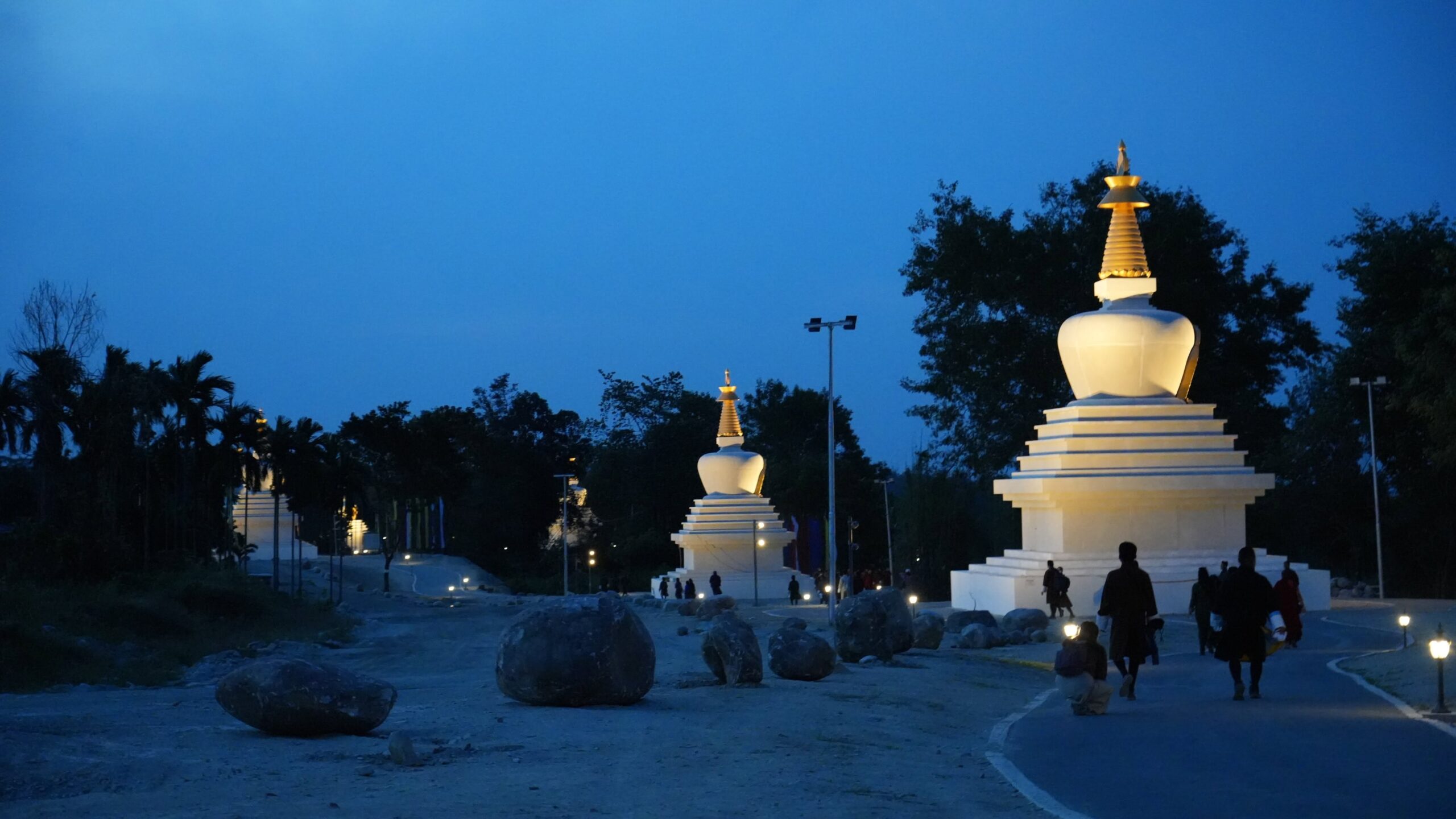
Project 108 has become one of the defining spiritual landmarks of Gelephu Mindfulness City. On 1 November 2026, all 108 Jangchub Chortens, each approximately 15 metres tall and spaced 108 metres apart along a stretch of more than 12 kilometres beside the Mao Chhu, were built and consecrated simultaneously in just nine hours. The achievement set a Guinness World Record for the most stupas built and consecrated simultaneously across multiple sites. Conceived as a Royal initiative, the project brought together volunteers, workers and religious communities in an extraordinary act of collective service. Read our detailed guide to the 108 Jangchub Chortens in Gelephu.
Lotus Born Trail
The Lotus Born Trail is a proposed pilgrimage route tracing Guru Padmasambhava’s sacred journey from Gelephu through Nabji-Korphu and Trongsa to Kurje Lhakhang in Bumthang. The official trail project describes a route of approximately 150–200 kilometres, with multi-day pilgrimage itineraries. Work began in December 2025 and has continued in phases, including volunteer work on sections such as the route between Ritay and Jigmeling. The wider trail is still being developed, so published route plans should not be taken as confirmation that every section, campsite, bridge or facility is ready. Before setting out, check the current trail condition, access permissions, guide arrangements and accommodation with the project team or local authorities. You can read more about the proposed route on the official Lotus Born Trail website.
Best Time to Visit Gelephu Mindfulness City
Winter, from November to March, is generally the most comfortable time to explore Gelephu, with cooler and drier conditions than the hot, humid summer and monsoon months. The southern plains can be very warm, particularly from April to September, and heavy rain may affect road and trail conditions. If your visit is focused on a particular spiritual site or project, check its access arrangements before travelling, as construction and religious activities may affect entry.
Conclusion
The spiritual landscape of Gelephu Mindfulness City is taking shape through an extraordinary range of sacred projects, from monumental chortens and temples to retreat centres, learning institutions and pilgrimage trails. Project 108 has already brought one major part of this vision into view, while other initiatives continue to develop. For visitors, the most meaningful approach is to explore the sites that are accessible, respect the religious character of each place and allow the wider vision of GMC to unfold over time.
Frequently Asked Questions
What is Gelephu Mindfulness City?
Gelephu Mindfulness City (GMC) is a Special Administrative Region in southern Bhutan, envisioned by His Majesty The King. Established by Royal Charter in February 2024, it is guided by Bhutanese values and the principle of mindful prosperity.
How many spiritual projects are planned or approved for GMC?
The wider programme has been publicly reported as 22 approved sacred projects following the 2026 approval rounds. The current GMC Spiritual Foundations directory lists 14 projects as formally recognised. These figures refer to different stages of approval and recognition; construction and public access must be checked separately.
What kinds of spiritual places are being developed?
The programme includes chortens and stupas, temples and lhakhangs, monasteries, meditation and retreat centres, Buddhist research and learning institutions, healing gardens, and contemplative landmarks.
What is Project 108 in Gelephu?
Project 108 comprises 108 Jangchub Chortens, each approximately 15 metres tall and spaced 108 metres apart along a stretch of more than 12 kilometres beside the Mao Chhu. They were built and consecrated simultaneously on 1 November 2026 in nine hours, setting a Guinness World Record.
Is the Lotus Born Trail open to visitors?
The proposed trail is around 150–200 kilometres from Gelephu to Kurje Lhakhang in Bumthang, passing through sacred places including Nabji-Korphu and Trongsa. Development has progressed in phases, but the full route should not yet be assumed to be open or ready for independent walking. Confirm current arrangements before planning a pilgrimage.
Are all spiritual sites in GMC open to visitors?
No. Some landmarks are completed, while others remain in planning, construction or development. Access may also be restricted by religious activities or work on site. Confirm arrangements before travelling and do not enter active construction areas without permission.
Experience Gelephu Mindfulness City
Turn your interest in GMC into a meaningful journey
Join Bhutan Pilgrimage for GMC Paths of Peace, an indicative three-day spiritual and mindfulness experience in southern Bhutan. Ask us about the itinerary, current visitor access and arrangements for your group.
View package and enquire →