Skip to content

hike

Trongsa Dzong, the historic fortress in central Bhutan

Trongsa Dzong, the Fortress on the Tip of the Dharma Wheel

Trongsa Dzong, also known as Choetse Dzong, is one of Bhutan’s most important historic fortresses. It stands on a steep ridge above the Mangde Chhu valley in central Bhutan, overlooking a strategic route that historically connected the western and eastern regions. The site began as a small shrine established by the Drukpa lama Ngagi Wangchuk in 1543. Under the direction of Zhabdrung Ngawang Namgyal, Choegyel Mingyur Tenpa was instructed to expand the dzong in 1643; its major construction is commonly dated to 1644. Today it remains both a centre of district administration and an important monastic seat.
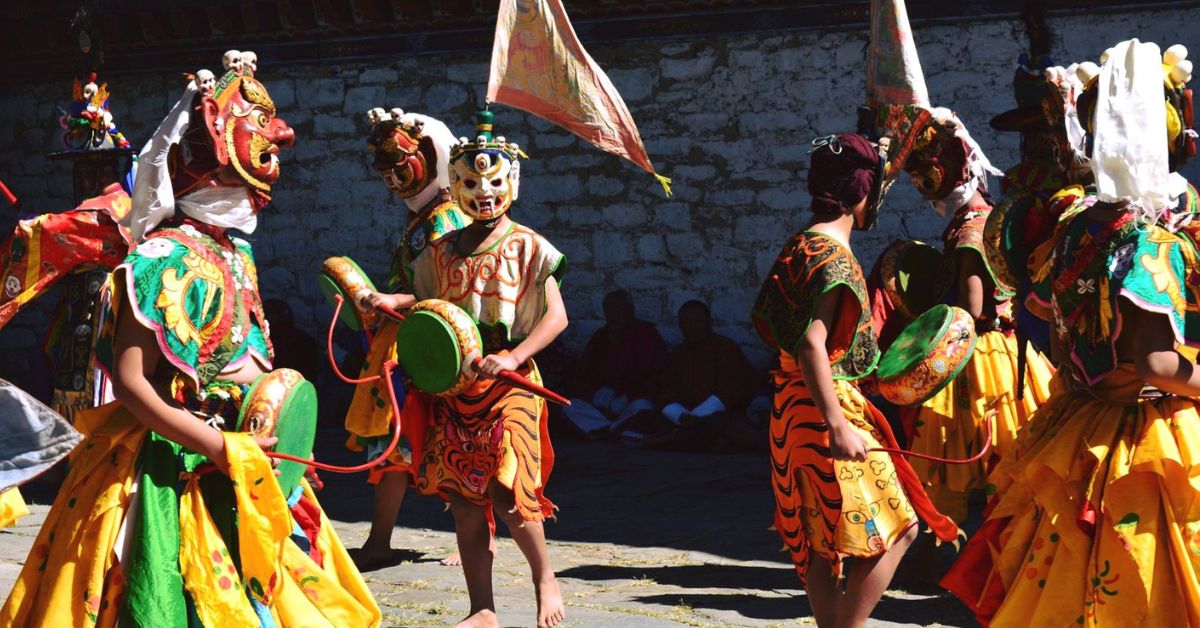
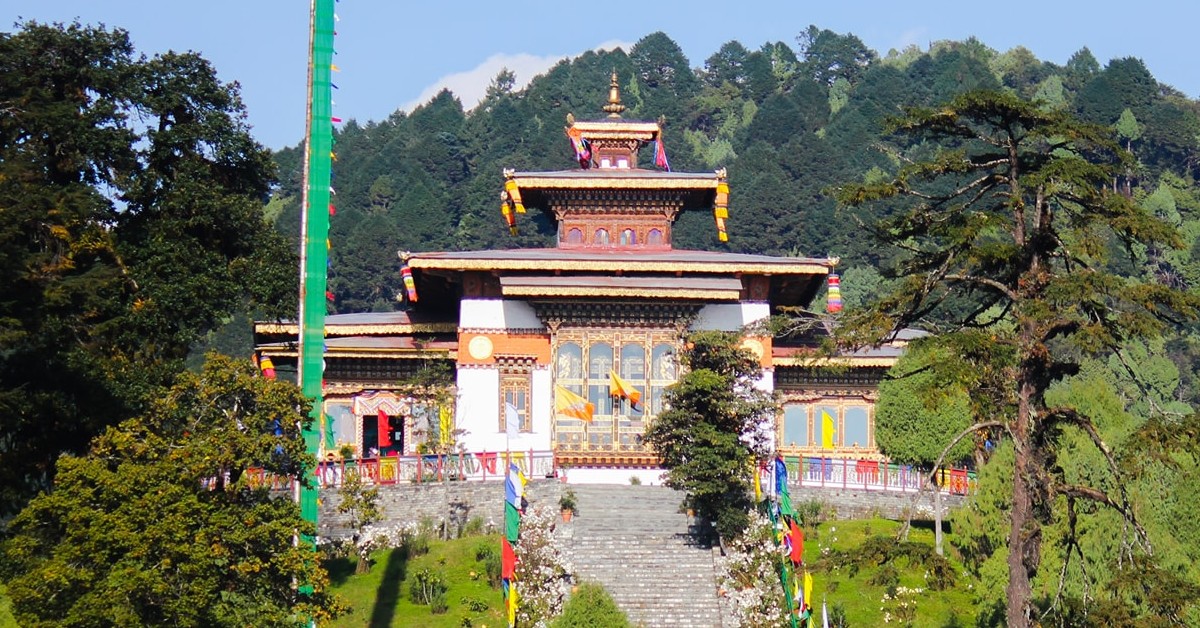
Druk Wangyel Lhakhang, the temple at Dochula Pass associated with the Druk Wangyel Tshechu, Bhutan

Druk Wangyal Lhakhang, a Memorial in Honor of the Fourth King

Druk Wangyal Lhakhang is a memorial temple at Dochula Pass on the Thimphu–Punakha highway. Constructed between 2004 and 2008 under the initiative of Her Majesty Ashi Dorji Wangmo Wangchuck, it honours His Majesty the Fourth Druk Gyalpo, Jigme Singye Wangchuck, and commemorates the 2003 Operation All Clear. The temple also forms part of the commemorative legacy of the centenary of Bhutan’s monarchy in 2007. Set above the 108 Druk Wangyal Chortens, it is known for murals that combine Buddhist imagery with modern Bhutanese history.

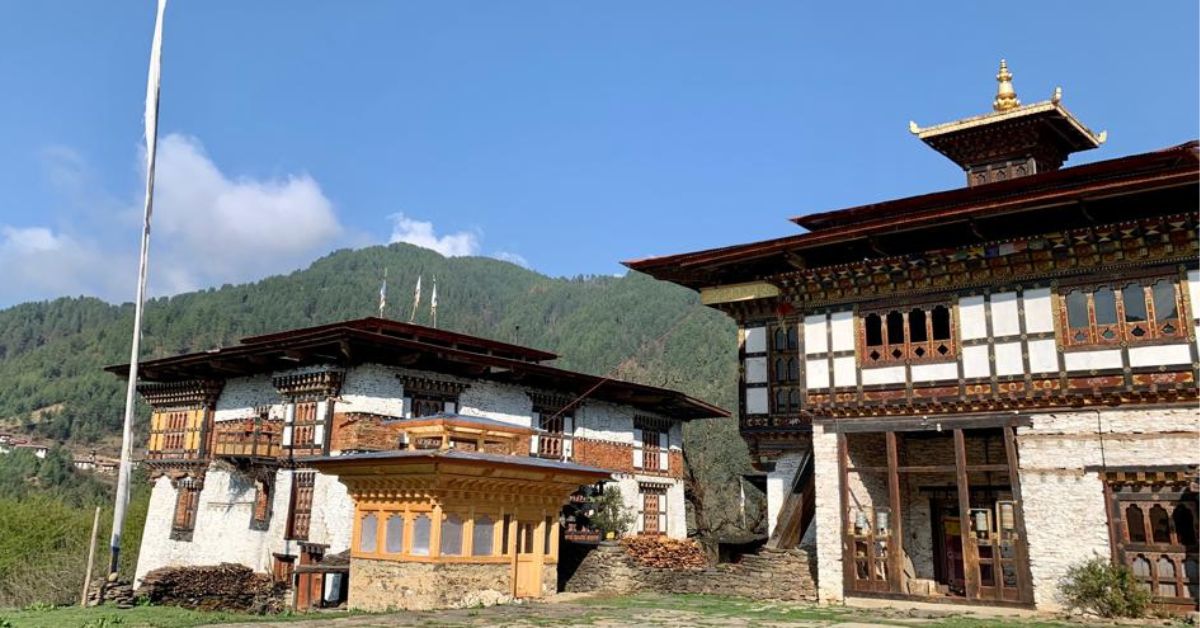
Ngang Lhakhang, the historic Swan Temple in Ngang Yul, Bumthang, Bhutan

Ngang Lhakhang, the “Swan temple” in Bumthang

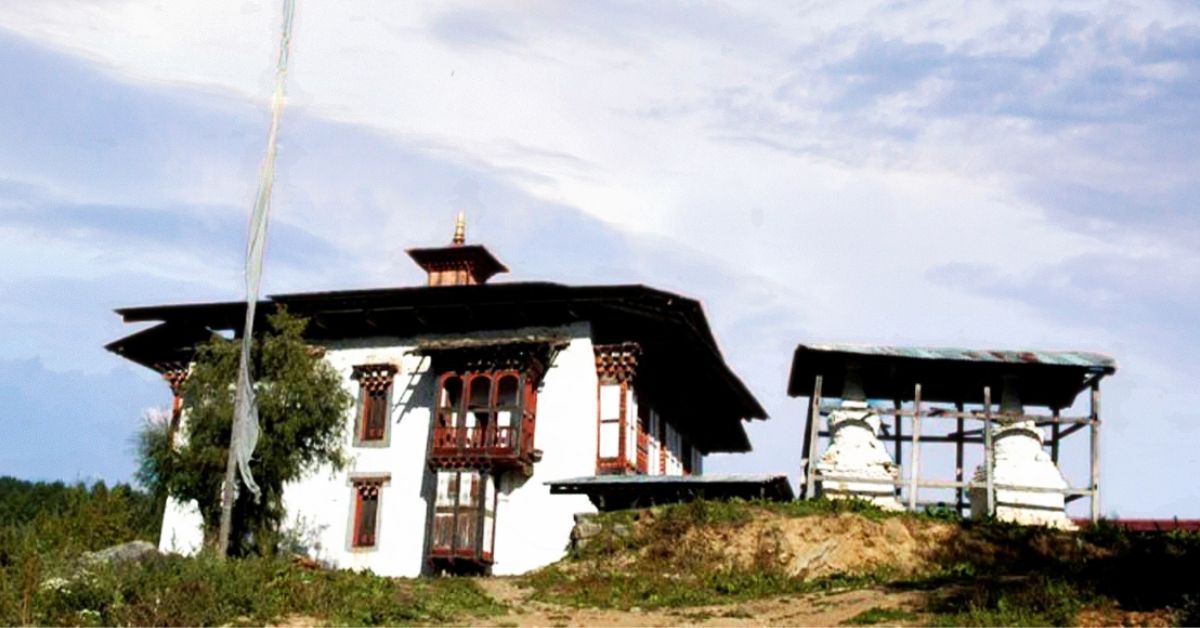
Ngang Lhakhang, also known as Ngala Lhakhang or Ngaa Lhakhang, is a private 15th-century temple in Ngang village, Chhoekhor Gewog, in the upper Choekhor Valley of Bumthang Dzongkhag. Its name means “Swan Temple” and comes from a local story about two swans that landed at the site, inspiring the Tibetan lama Namkha Samdrup, also known as Tshampa Lama, to establish his residence there. The temple stands at approximately 2,819 metres and remains an important part of the community’s religious and cultural life.

For a wider introduction to Bhutan’s sacred destinations and the traditions that connect them, see our Bhutan Pilgrimage Guide.

Trashigang Dzong, historic fortress-monastery overlooking Trashigang town in eastern Bhutan

Trashigang Dzong, the Sky Fortress on the Auspicious Hill

Trashigang Dzong, known as “The Fortress of the Auspicious Hill,” is one of the most striking historic fortresses in eastern Bhutan. Built in 1659 on a steep rocky spur above the confluence of the Drangme Chhu and Gamri Chhu, it was established under the direction of Zhabdrung Ngawang Namgyal to strengthen the authority of the Drukpa state in the eastern regions. For centuries, the dzong has served as a centre of administration, monastic life and community gatherings, and it remains the setting for the annual Trashigang Tshechu.

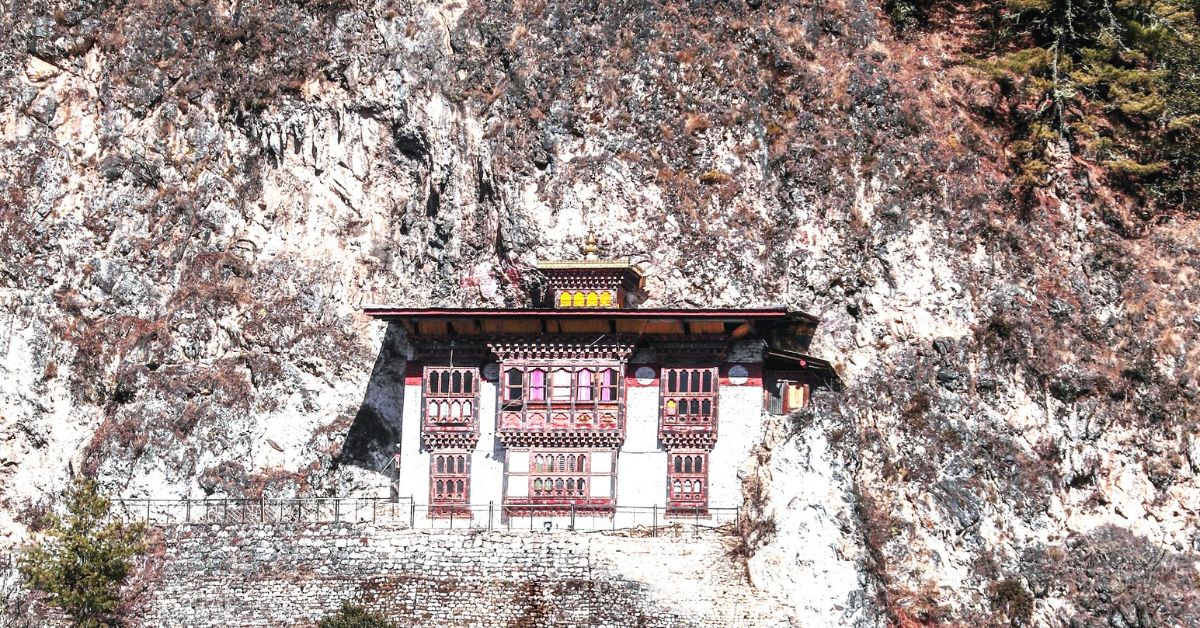
Shelkar Drak Lhakhang, the White Crystal Cliff Temple in Haa, Bhutan

Shelkar Drak Lhakhang, a White Crystal Cliff Temple in Haa

Shelkar Drak Lhakhang, also known as Shekhar Dra Goemba, is a small retreat temple on the southern slope of Avalokiteshvara Hill in Haa Valley. Its name means “White Crystal Cliff” or “crystal crag,” referring to the pale limestone cliff that pilgrims partly whitewashed and the temple that appears to rise naturally from the rock face.

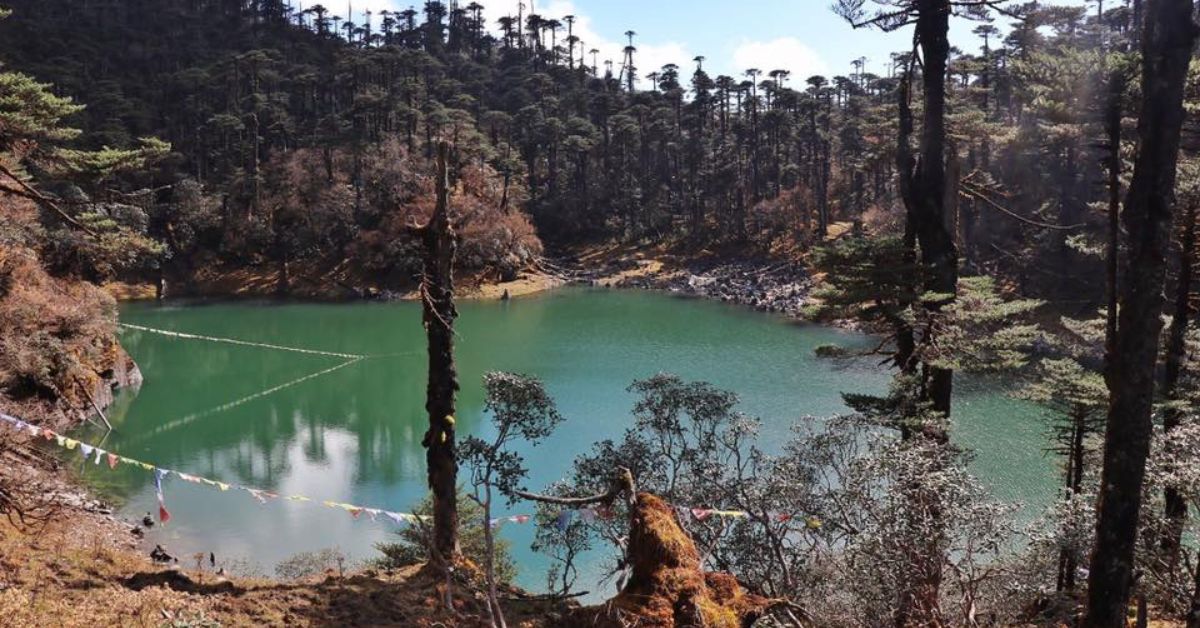
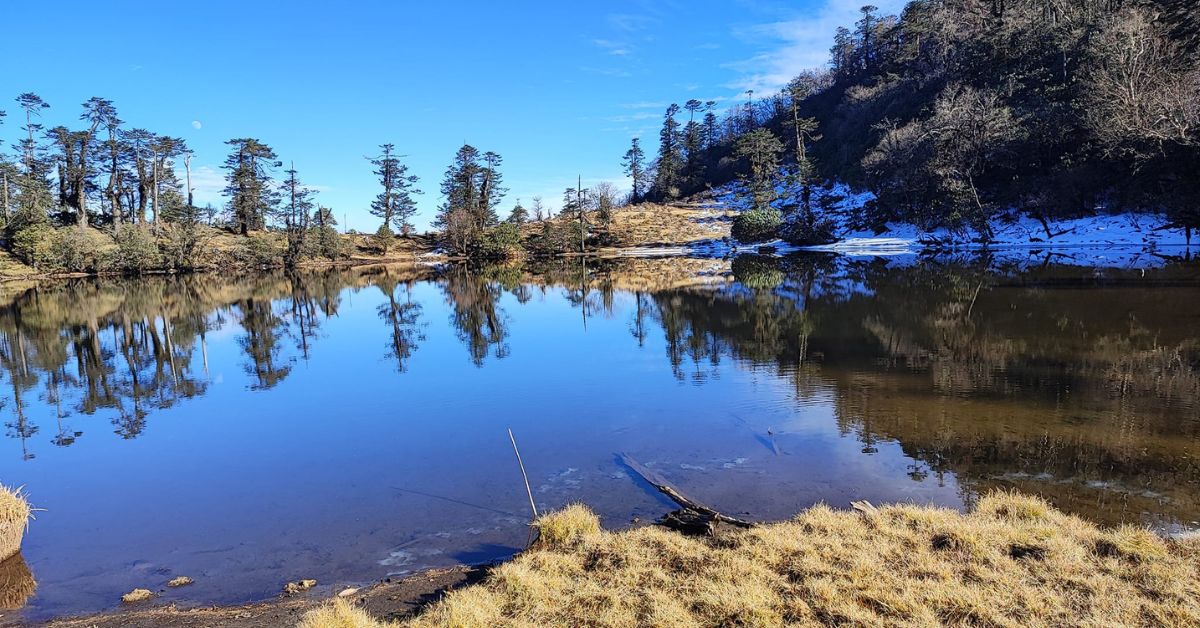
Jomo Dangling Tsho, sacred high-altitude lake in Bhutan

Dangling Tsho, the Sacred Summer Abode of Meme Dangling

Dangling Tsho is the historic lake associated with Meme Dangling, located north of Khaling Gewog in Trashigang Dzongkhag, eastern Bhutan. Set among a forest of fir trees, the sacred lake is reached by a long walk of around 7–8 hours from Khaling town.

Dangling Tsho is a remote sacred destination that may form part of a wider exploration of eastern Bhutan. See our Bhutan Pilgrimage Guide for other regional pilgrimage places and planning considerations.

Prakhar Lhakhang in Chumey, Bumthang, a historic temple associated with the white-monkey legend

Prakhar Lhakhang, the Temple built by White Monkeys in Bumthang

Prakhar Lhakhang, also known as Trakar Lhakhang or Prakhar Ngatshang, is a complex of temples and a mansion (ngatshang) in the Chume Valley of Bumthang Dzongkhag. It was founded by Tenpe Nyima, the grandson of Terton Pema Lingpa, with the help of white monkeys in the 16th century.

Include Prakhar Lhakhang in a wider exploration of Bhutan’s sacred places with the help of our Bhutan Pilgrimage Guide, which covers regional destinations and pilgrimage customs.

Gangtey Monastery (Gangteng Goenpa) in Phobjikha Valley, Bhutan

Gangtey Monastery, the Temple of Secret Mantra Prophesied by Pema Lingpa

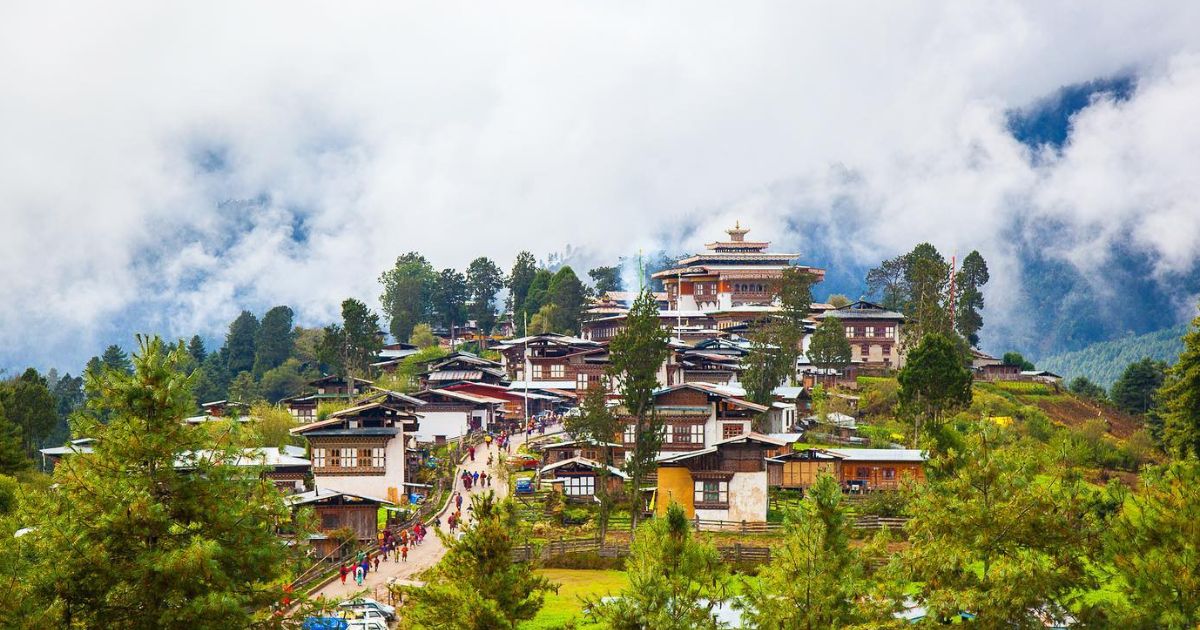
Gangtey Monastery, also known as Gangteng Sang Ngag Choling Monastery or Gangtey Goenpa, is a four-story monastery founded by the first Gangteng Tulku, Pema Thinley, a grandson of Terton Pema Lingpa, in 1613. The monastery was built according to Pema Lingpa’s prophecy. It is one of the main centers of Pema Lingpa, situated on a hill in Phobjikha Valley, Wangdue Phodrang Dzongkhag, at an altitude of 3,000 meters.

Phajoding Monastery, sacred Buddhist retreat complex in the mountains above Thimphu, Bhutan

Phajoding Monastery, the Temple of Doctrine on the Vulture Peak

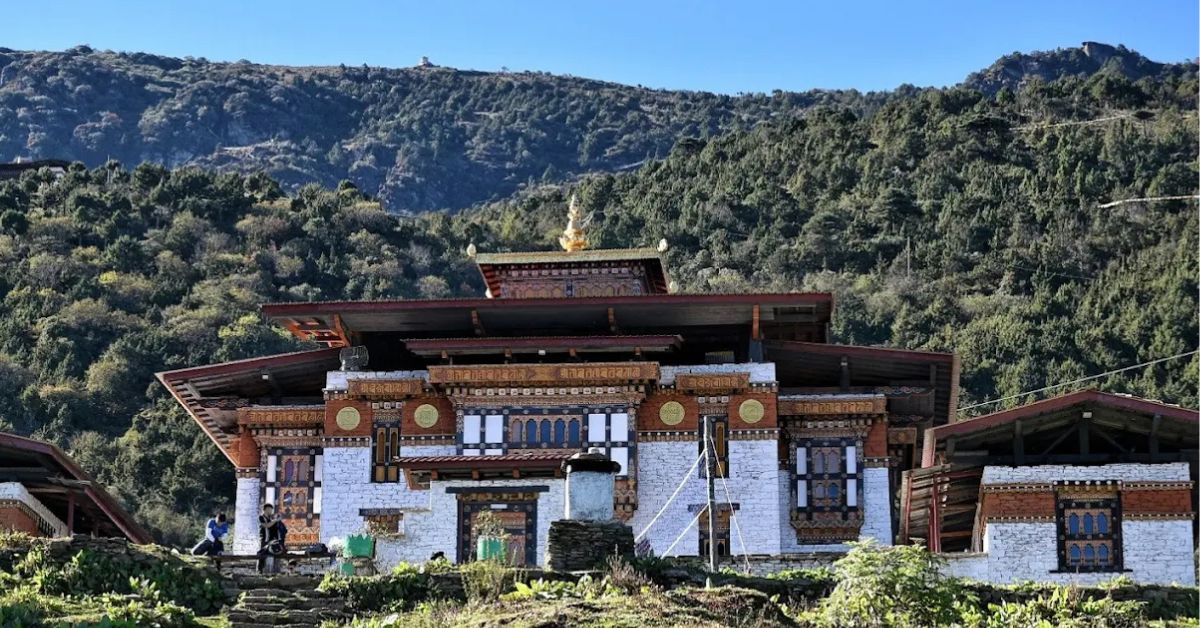
Phajoding Monastery, also known as Phajoding Sheydrup Ling Buddhist Institute, is a historic meditation and monastic complex above Thimphu. Tradition associates its founding as a meditation hermitage with Phajo Drugom Zhigpo in the 13th century. Its name is commonly understood as “Phajo’s spacious land”. Set on a high ridge below Thujidra Goenpa, the monastery overlooks the Thimphu Valley and remains an important place of Drukpa Kagyu practice.

Phajoding forms part of the wider sacred landscape associated with Guru Rinpoche and the Drukpa Kagyu lineage established in Bhutan by Phajo Drugom Zhigpo.

Druk Wangditse Lhakhang, historic hilltop temple above Thimphu, Bhutan

Druk Wangditse Lhakhang, the Temple on the Peak of Conquest

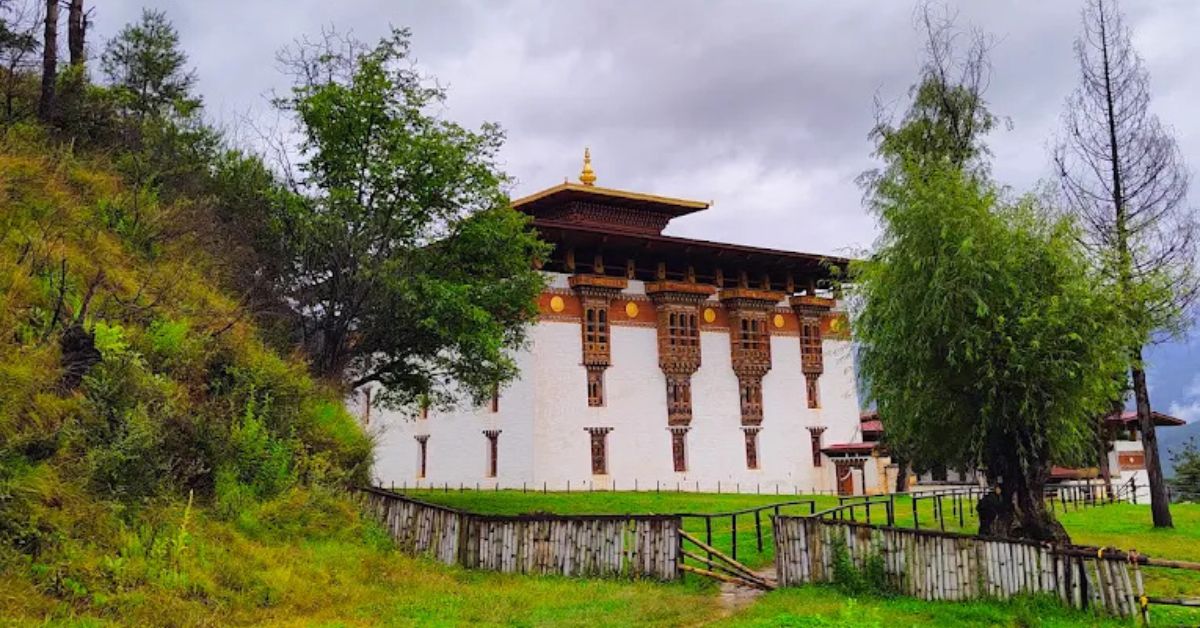
Druk Wangditse Lhakhang, the “Temple of the Peak of Conquest”, is a historic fortress-temple above Thimphu. Also known as Zabden Lhundrubtse Dzong, it was founded in 1715 CE by Druk Rabgye, the 8th Druk Desi, as a seat of secular authority. Its hilltop setting, sacred images and distinctive dzong-like form make it one of the capital’s notable historic temples.