Skip to content

Pilgrimage

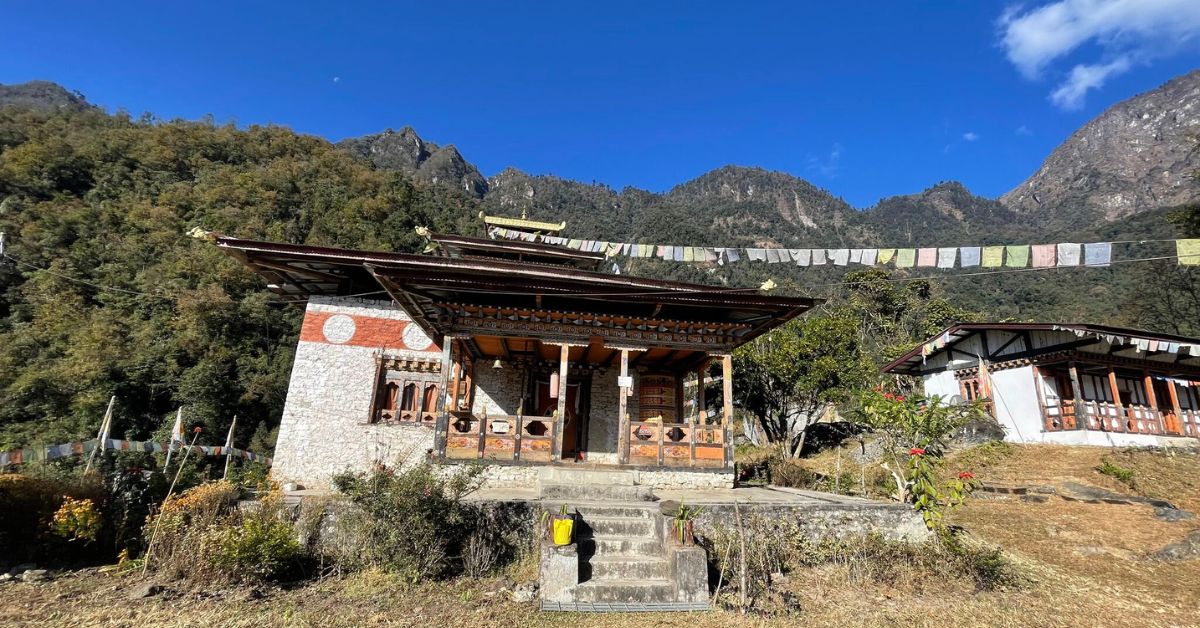
Kunzangling Lhakhang, Buddhist temple in the Kurtoe region of Lhuentse, Bhutan

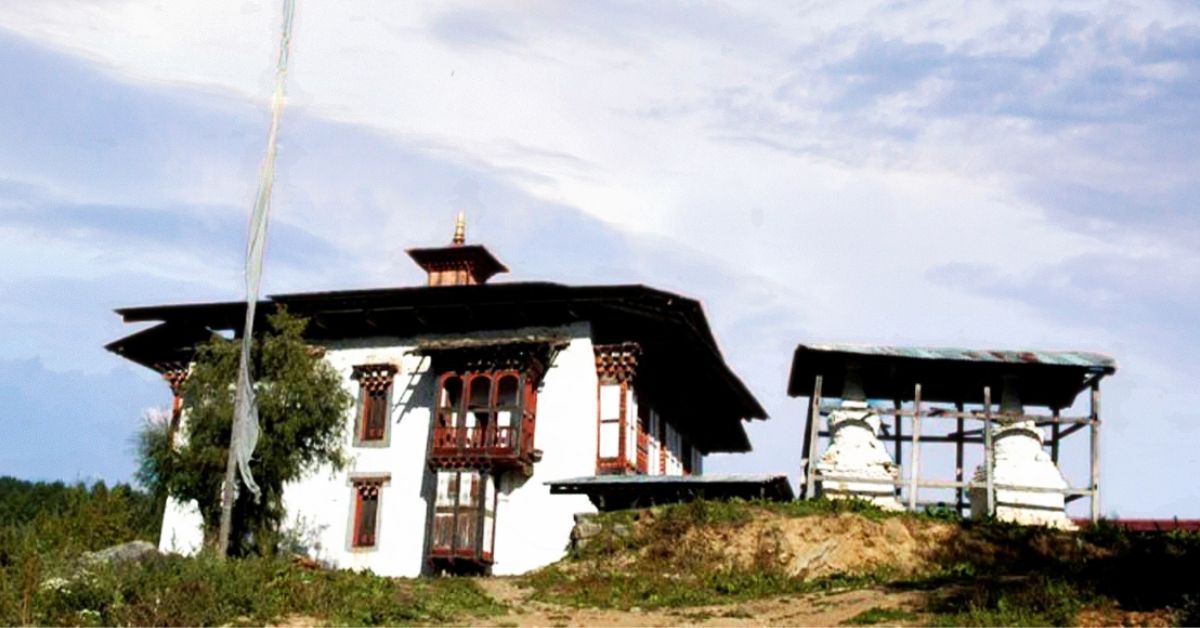
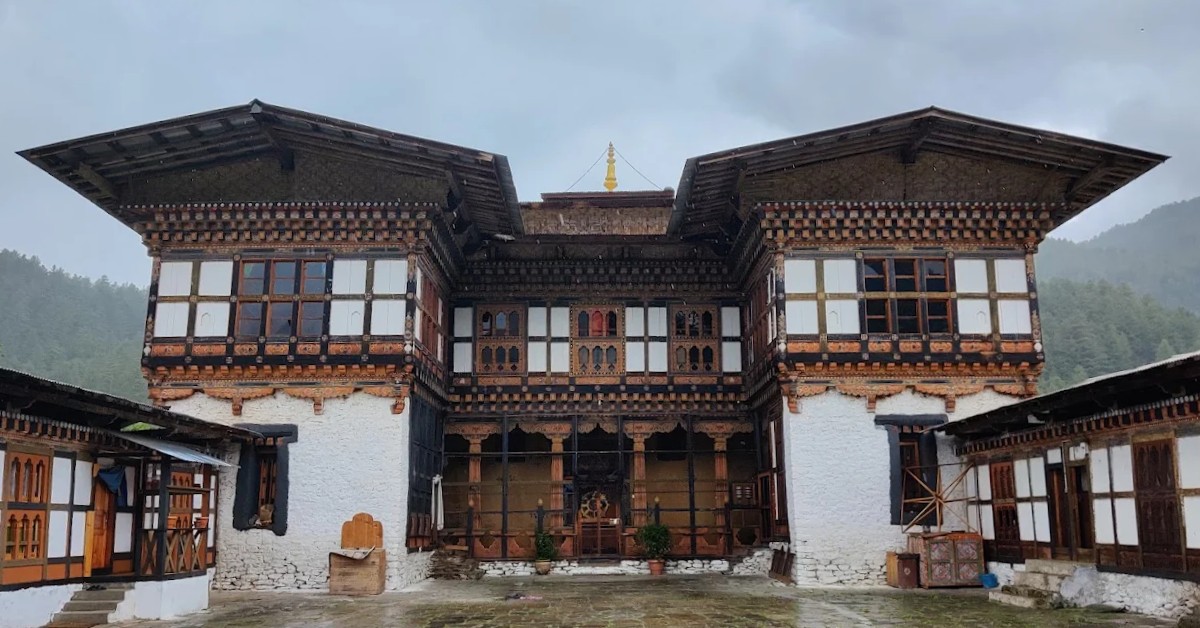
Kunzangling Lhakhang, the Sacred Seat of Longchen Rabjam in Kurtoe

Kunzangling Lhakhang is one of the eight sacred lings associated with Kunkhyen Longchen Rabjam (Longchenpa). Traditionally dated to the 14th century, it stands in Kuenzangling village in Kurtoe Gewog, Lhuentse Dzongkhag, eastern Bhutan. The temple is an important destination for pilgrims following the sacred places connected with Longchenpa.
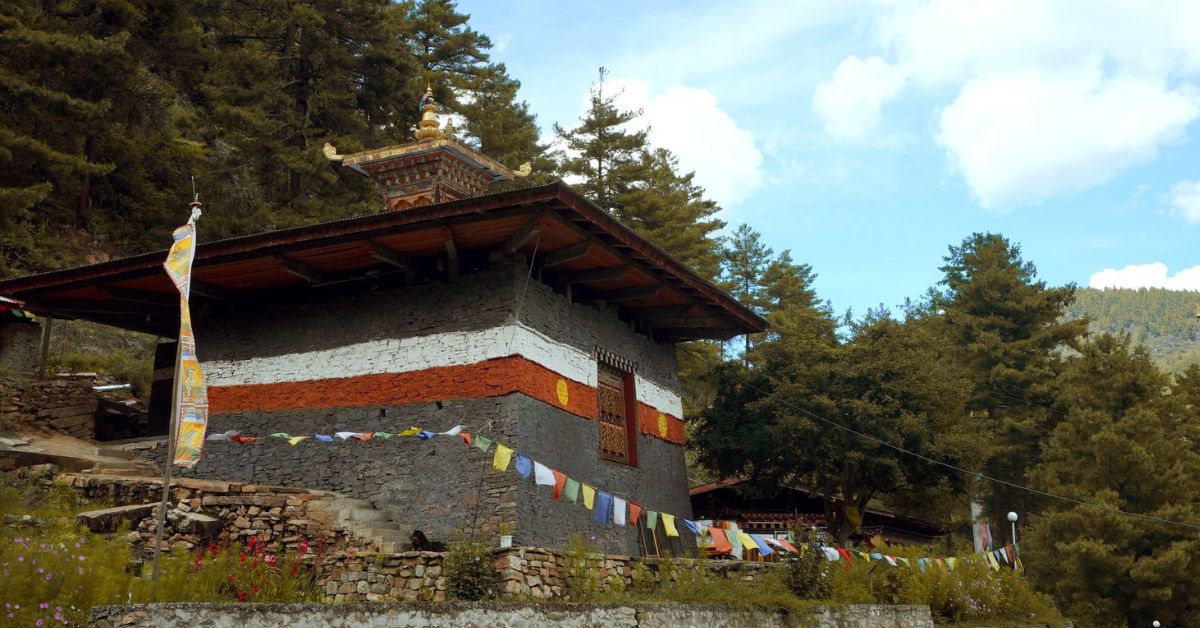
Lhakhang Nagpo, the Black Temple in Haa Valley, Bhutan

Lhakhang Nagpo, the Black Temple of Haa Valley

Lhakhang Nagpo, known as the “Black Temple”, is a one-storey temple in Dumchoe village, Eusu Gewog, Haa Dzongkhag. Traditionally attributed to the Tibetan Dharma King Songtsen Gampo and dated to 659 CE, it is associated with the tradition of the 108 temples established to subdue a demoness and protect the spread of Buddhism in the Himalayan region. The temple stands near the base of the sacred Meri Puensum Mountains, at an elevation of approximately 2,727 metres.

Palden Tashi Chholing Tsuglagkhang, Buddhist temple and religious centre in Phuentsholing, Bhutan

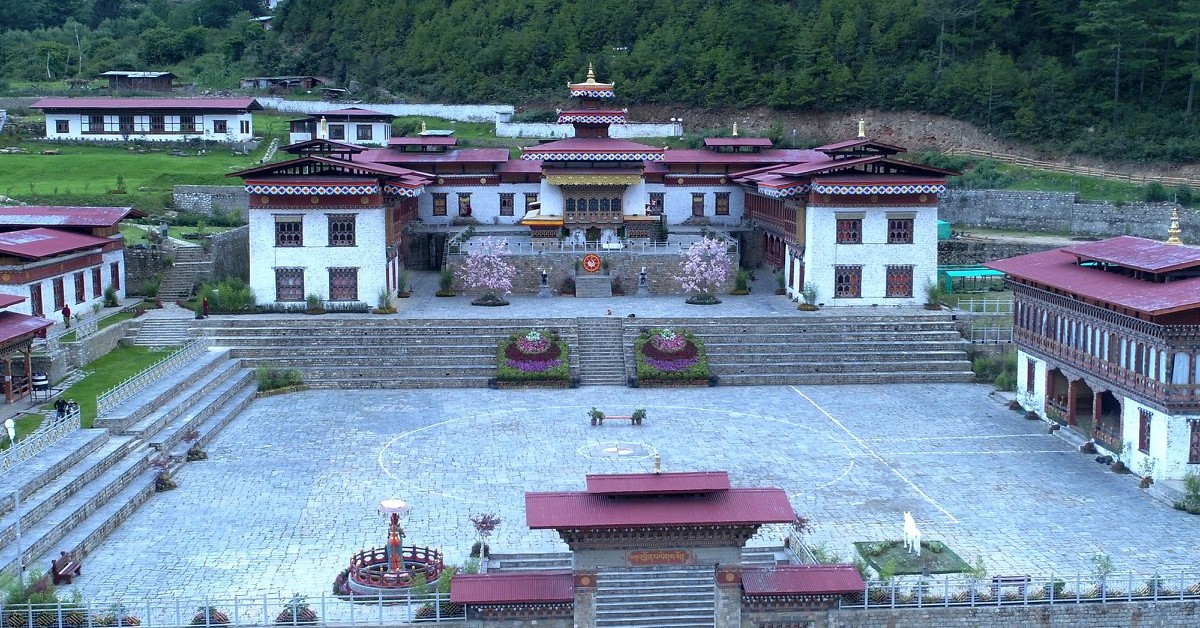
Palden Tashi Chholing Tsuglagkhang in Phuentsholing

Palden Tashi Chholing Tsuglagkhang, also known as Palden Tashi Chholing Shedra, is a Buddhist college in Phuentsholing. Ap Dophu and his family funded the construction, and it was inaugurated by His Holiness the 70th Je Khenpo, Trulku Jigme Choeda, on October 28, 2014.

Prakhar Lhakhang in Chumey, Bumthang, a historic temple associated with the white-monkey legend

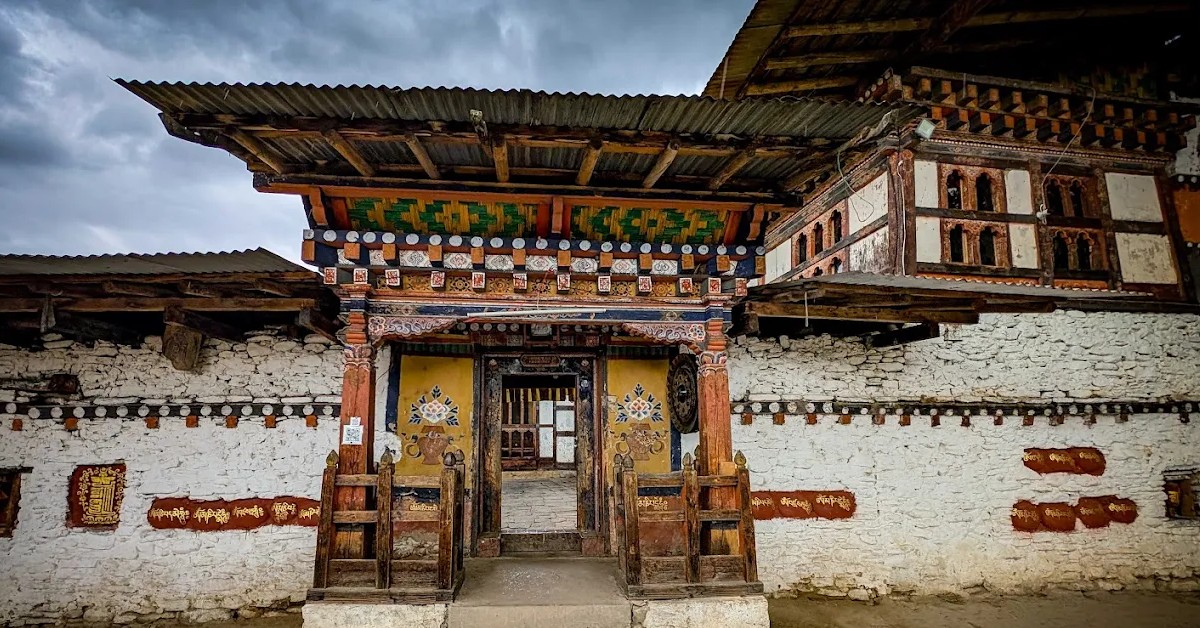
Prakhar Lhakhang, the Temple built by White Monkeys in Bumthang

Prakhar Lhakhang, also known as Trakar Lhakhang or Prakhar Ngatshang, is a complex of temples and a mansion (ngatshang) in the Chume Valley of Bumthang Dzongkhag. It was founded by Tenpe Nyima, the grandson of Terton Pema Lingpa, with the help of white monkeys in the 16th century.

Include Prakhar Lhakhang in a wider exploration of Bhutan’s sacred places with the help of our Bhutan Pilgrimage Guide, which covers regional destinations and pilgrimage customs.

Jakar Dzong, the Fortress of the White Bird in Bumthang, Bhutan

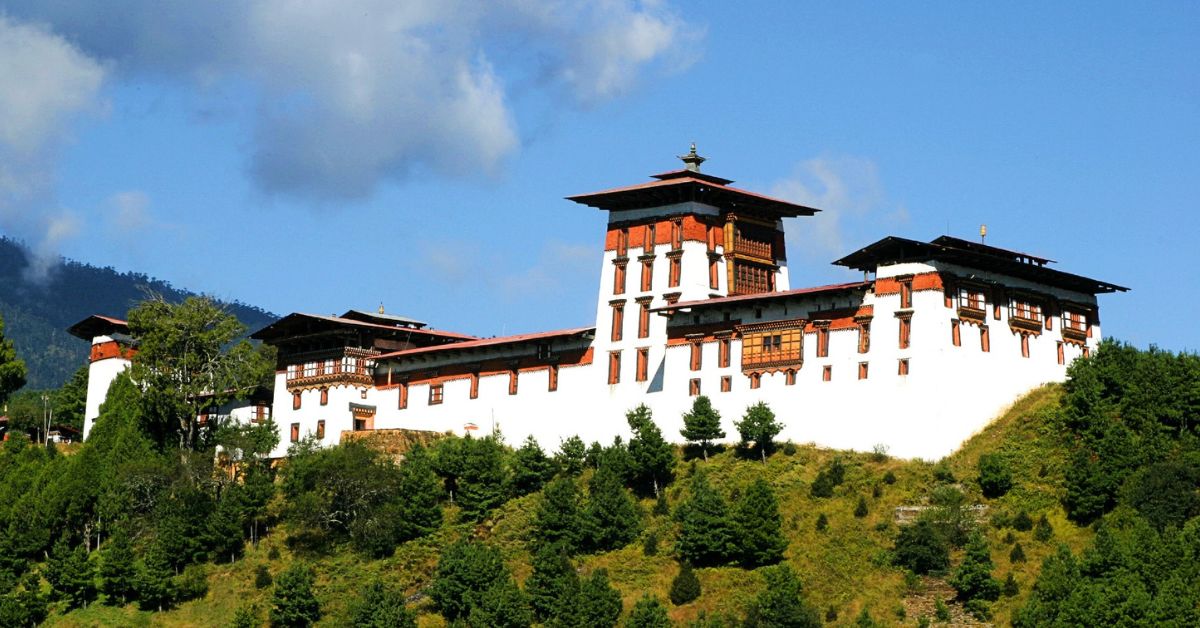
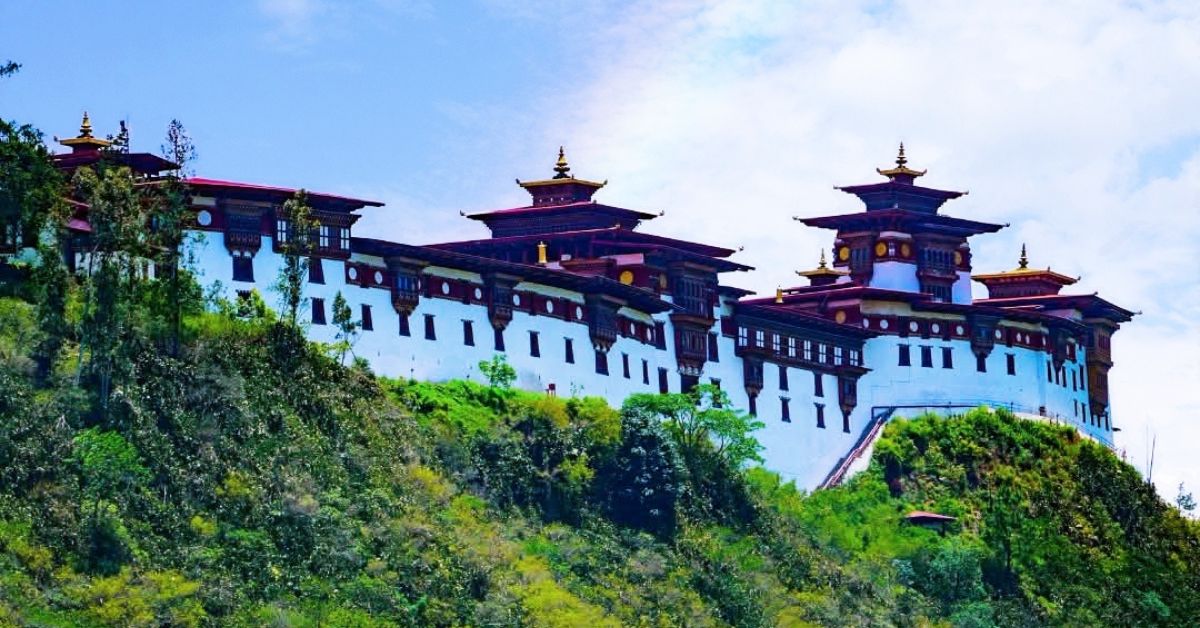
Jakar Dzong, the Fortress of White Bird in Bumthang

Jakar Dzong, also known as Jakar Yugyal Dzong or the Fortress of the White Bird, stands on a ridge above Jakar town in the Chamkhar Valley of Bumthang. The monastery is traditionally dated to 1549 and associated with Lam Ngagi Wangchuk, the great-grandfather of Zhabdrung Ngawang Namgyal. The white-bird legend remains part of the dzong’s identity and explains its memorable name.

Sangye Migyur Ling Lhakhang, the Milarepa Tower in Phuentsholing, Bhutan

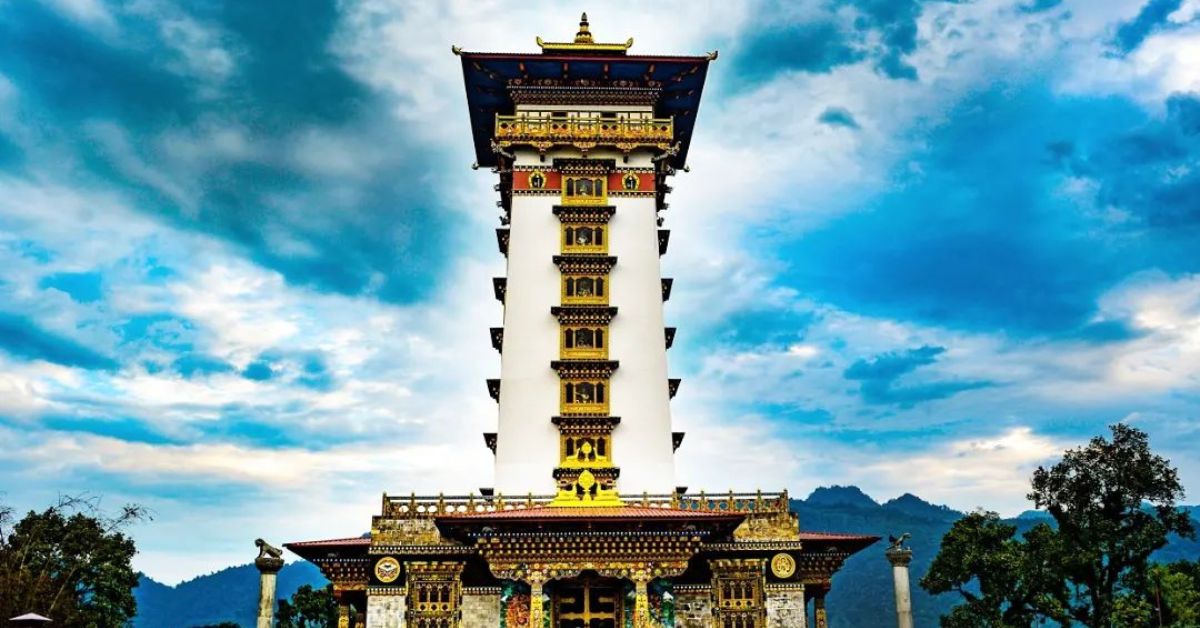
Sangye Migyur Ling Lhakhang, a Replica of Milarepa Tower in Phuentsholing

Sangye Migyur Ling Lhakhang, also known as Mila Serkhar Guthog Lhakhang or Milarepa Tower, is a nine-storey Buddhist monastery dedicated to Jetsun Milarepa. Located at Ramitey in Phuentsholing, it is inspired by the historic Sekhar Guthok tower associated with Milarepa in Lhodrak, Tibet, and honours his remarkable journey from remorse to enlightenment.

Lhakhang Karpo, the White Temple of Haa Valley, Bhutan

Lhakhang Karpo, the White Temple of Ap Chundu in Haa Valley

Lhakhang Karpo, also known as the White Temple, is traditionally attributed to the Tibetan Dharma King Songtsen Gampo and associated with the year 659 CE. Local religious tradition connects it with the group of 108 temples said to have been built to subdue a demoness obstructing the spread of Buddhism across the Himalayan region.

Gangtey Monastery (Gangteng Goenpa) in Phobjikha Valley, Bhutan

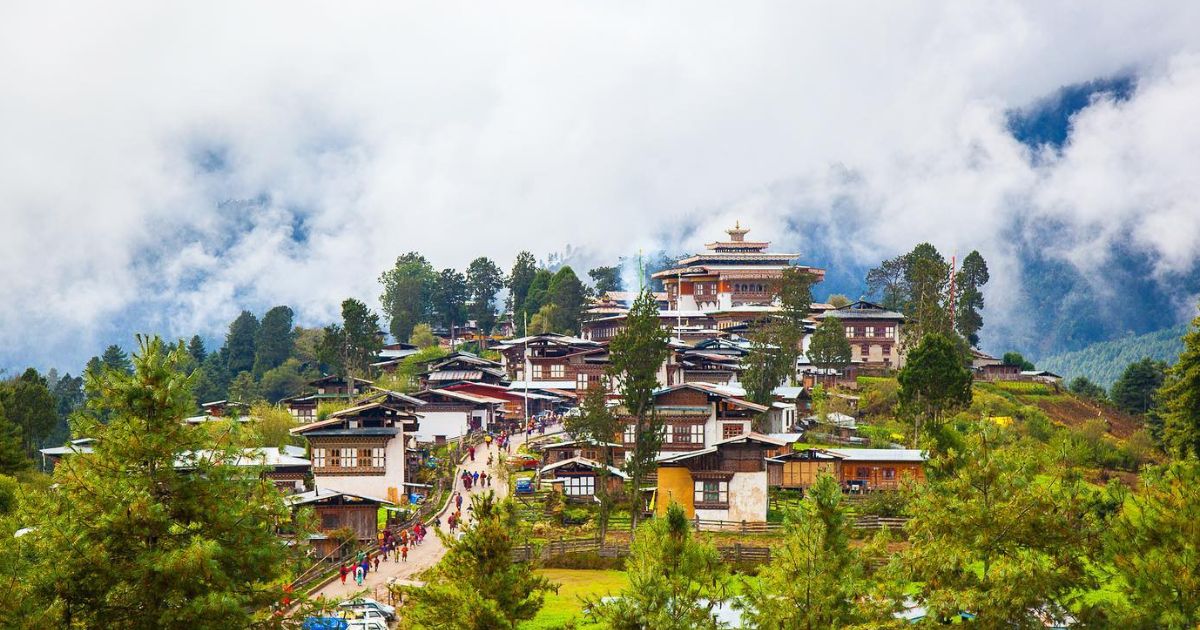
Gangtey Monastery, the Temple of Secret Mantra Prophesied by Pema Lingpa

Gangtey Monastery, also known as Gangteng Sang Ngag Choling Monastery or Gangtey Goenpa, is a four-story monastery founded by the first Gangteng Tulku, Pema Thinley, a grandson of Terton Pema Lingpa, in 1613. The monastery was built according to Pema Lingpa’s prophecy. It is one of the main centers of Pema Lingpa, situated on a hill in Phobjikha Valley, Wangdue Phodrang Dzongkhag, at an altitude of 3,000 meters.