Skip to content

Pilgrimage

Lhuentse Dzong, the historic fortress-monastery in the Kurtoe region of eastern Bhutan

Lhuentse Dzong, the Fortress on the Precious Peak of Spontaneous Fulfillment

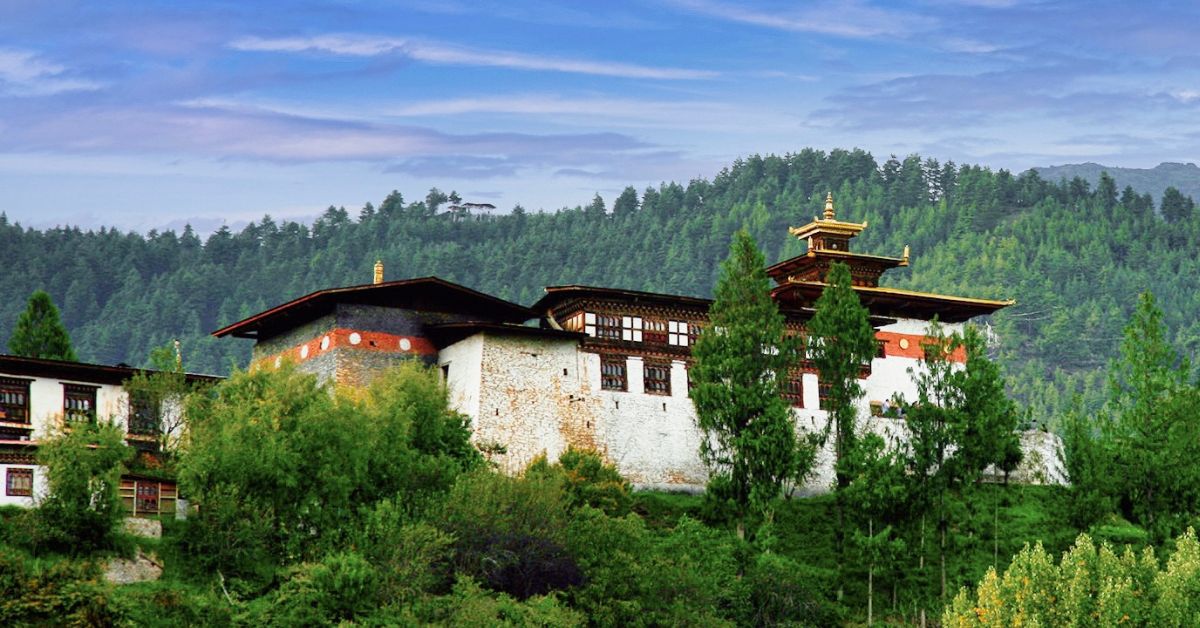
Lhuentse Dzong, also known as Lhendrup Rinchentse Dzong or Lhuentse Rinchentse Phodrang, is a historic fortress in northeastern Bhutan. It stands on a rocky ridge above the Kuri Chhu valley and serves as the administrative and religious centre of Lhuentse Dzongkhag. The present dzong was constructed in 1654 by Trongsa Penlop Chogyal Minjur Tempa—not by Zhabdrung Ngawang Namgyal himself—on a site associated with an earlier temple established in the sixteenth century.

Dechen Phodrang Ney sacred meditation cave and temple in Bumdeling, Trashiyangtse, Bhutan

Dechen Phodrang Ney, a Meditation Cave of Guru Rinpoche

Dechen Phodrang Ney is a sacred drupkhang (meditation cave) in the Woogmanang area of Bumdeling Gewog, Trashiyangtse, eastern Bhutan, at approximately 2,260 metres above sea level. The site is associated with Guru Rinpoche (Padmasambhava) and is revered for its rock-face temple, sacred imprints, meditation cave, spring and naturally formed religious symbols. Local religious accounts associate its rediscovery with the 15th-century master Lama Karma Jamyang Rabjor.

Tachog Lhakhang near Paro, Bhutan

Tachog Lhakhang, the Temple on the Hill of the Excellent Horse

Tachog Lhakhang, also known as Tamchog or Tachogang Lhakhang, is a historic temple beside the Paro Chhu in western Bhutan. The monastery is closely associated with Drupthob Thangtong Gyalpo (1385–1464), the revered master and engineer remembered for building iron-chain suspension bridges across the Himalayan region. The site is especially known for Tamchog Chakzam, the celebrated bridge that links the Paro–Thimphu highway with the temple on the opposite bank.

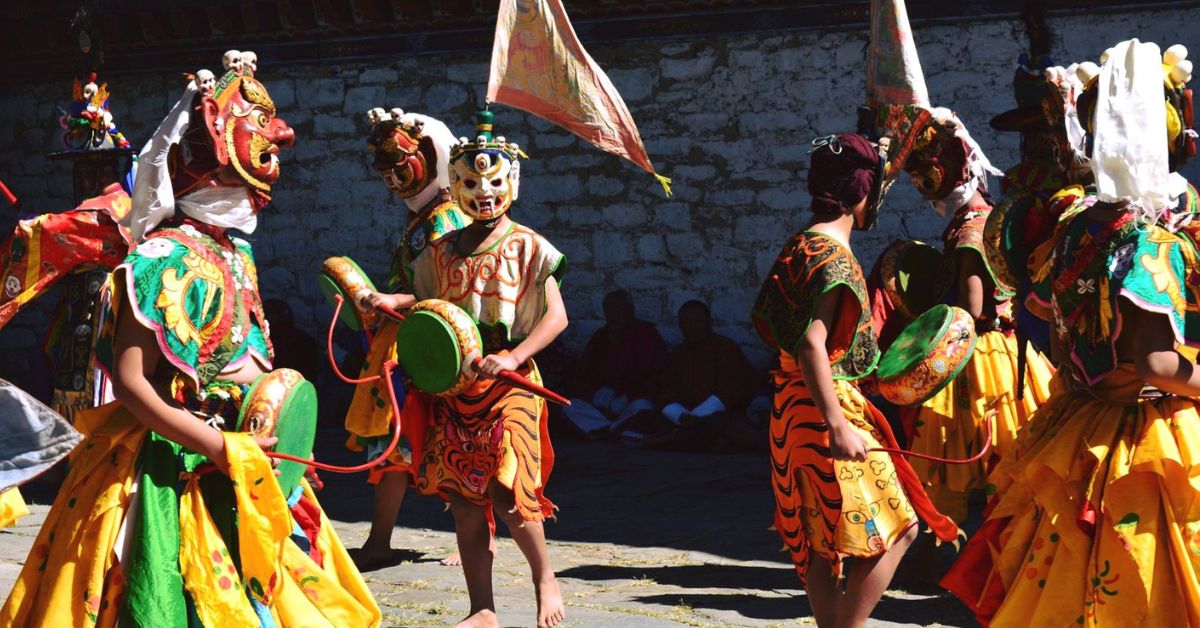
Druk Wangyel Tshechu mask dances at Dochula Pass in Thimphu, Bhutan

Druk Wangyel Tshechu Festival 2026

Druk Wangyel Tshechu, also known as the Dochula Tshechu, is a one-day annual festival held at the Druk Wangyel Tshechu Ground beside Druk Wangyel Lhakhang at Dochula Pass. Established in 2011, it honours His Majesty the Fourth Druk Gyalpo and the Royal Bhutan Army in connection with the 2003 Operation All Clear. Its distinctive feature is the performance of mask dances by members of the armed forces and other uniformed services.

Trongsa Dzong, the historic fortress in central Bhutan

Trongsa Dzong, the Fortress on the Tip of the Dharma Wheel

Trongsa Dzong, also known as Choetse Dzong, is one of Bhutan’s most important historic fortresses. It stands on a steep ridge above the Mangde Chhu valley in central Bhutan, overlooking a strategic route that historically connected the western and eastern regions. The site began as a small shrine established by the Drukpa lama Ngagi Wangchuk in 1543. Under the direction of Zhabdrung Ngawang Namgyal, Choegyel Mingyur Tenpa was instructed to expand the dzong in 1643; its major construction is commonly dated to 1644. Today it remains both a centre of district administration and an important monastic seat.

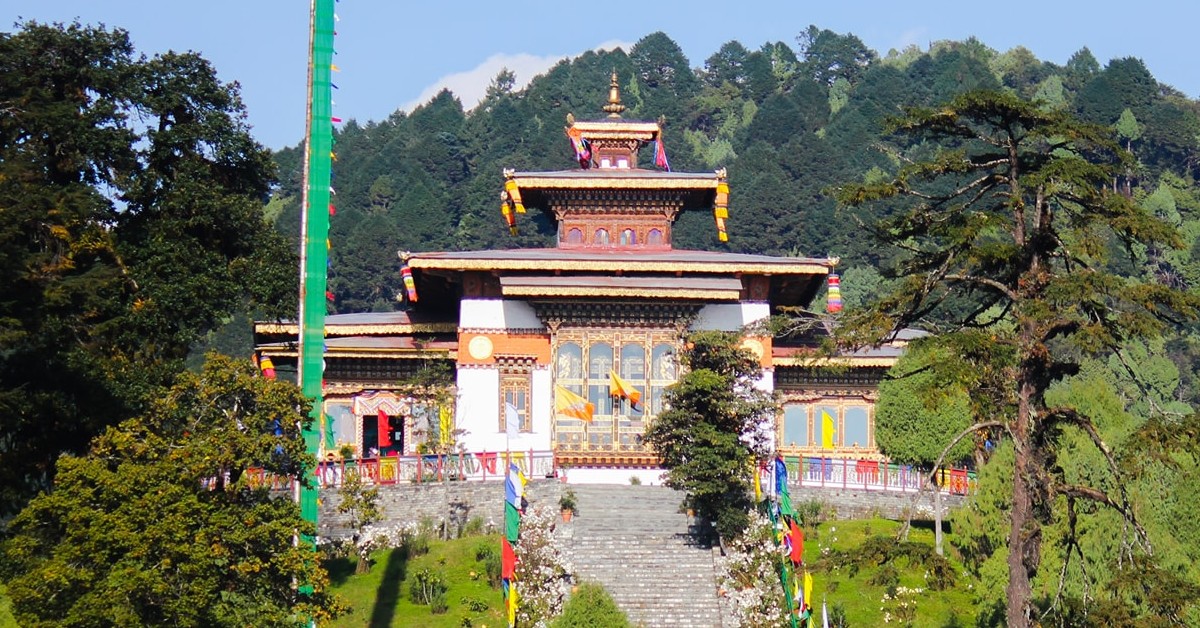
Druk Wangyel Lhakhang, the temple at Dochula Pass associated with the Druk Wangyel Tshechu, Bhutan

Druk Wangyal Lhakhang, a Memorial in Honor of the Fourth King

Druk Wangyal Lhakhang is a memorial temple at Dochula Pass on the Thimphu–Punakha highway. Constructed between 2004 and 2008 under the initiative of Her Majesty Ashi Dorji Wangmo Wangchuck, it honours His Majesty the Fourth Druk Gyalpo, Jigme Singye Wangchuck, and commemorates the 2003 Operation All Clear. The temple also forms part of the commemorative legacy of the centenary of Bhutan’s monarchy in 2007. Set above the 108 Druk Wangyal Chortens, it is known for murals that combine Buddhist imagery with modern Bhutanese history.

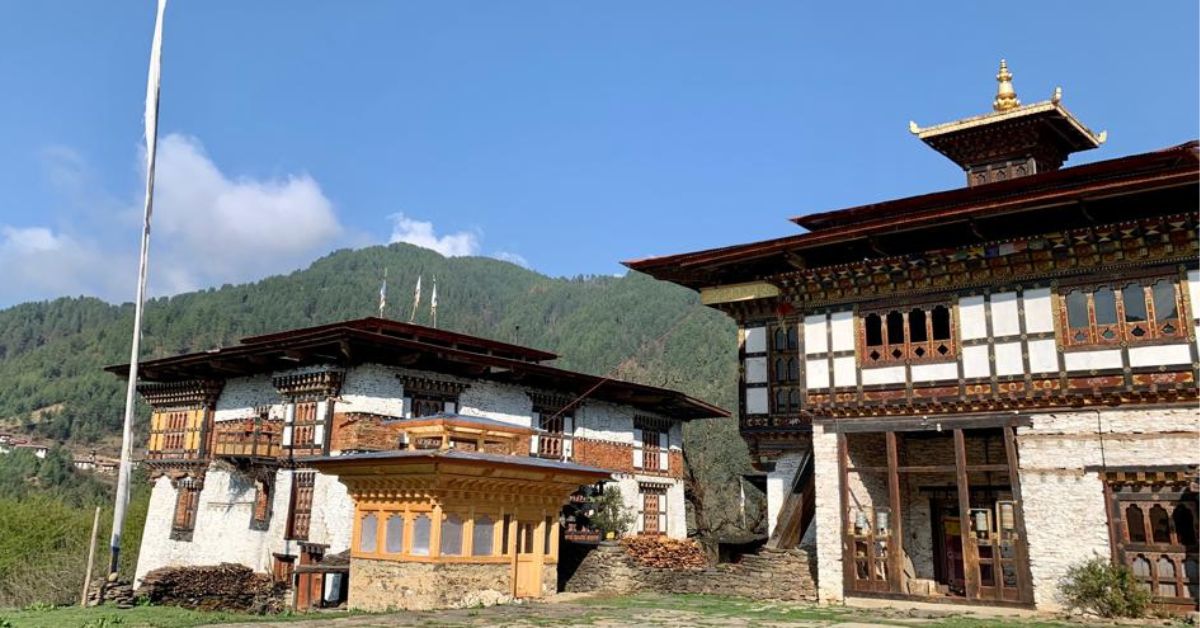
Ngang Lhakhang, the historic Swan Temple in Ngang Yul, Bumthang, Bhutan

Ngang Lhakhang, the “Swan temple” in Bumthang

Ngang Lhakhang, also known as Ngala Lhakhang or Ngaa Lhakhang, is a private 15th-century temple in Ngang village, Chhoekhor Gewog, in the upper Choekhor Valley of Bumthang Dzongkhag. Its name means “Swan Temple” and comes from a local story about two swans that landed at the site, inspiring the Tibetan lama Namkha Samdrup, also known as Tshampa Lama, to establish his residence there. The temple stands at approximately 2,819 metres and remains an important part of the community’s religious and cultural life.

For a wider introduction to Bhutan’s sacred destinations and the traditions that connect them, see our Bhutan Pilgrimage Guide.

Trashigang Dzong, historic fortress-monastery overlooking Trashigang town in eastern Bhutan

Trashigang Dzong, the Sky Fortress on the Auspicious Hill

Trashigang Dzong, known as “The Fortress of the Auspicious Hill,” is one of the most striking historic fortresses in eastern Bhutan. Built in 1659 on a steep rocky spur above the confluence of the Drangme Chhu and Gamri Chhu, it was established under the direction of Zhabdrung Ngawang Namgyal to strengthen the authority of the Drukpa state in the eastern regions. For centuries, the dzong has served as a centre of administration, monastic life and community gatherings, and it remains the setting for the annual Trashigang Tshechu.

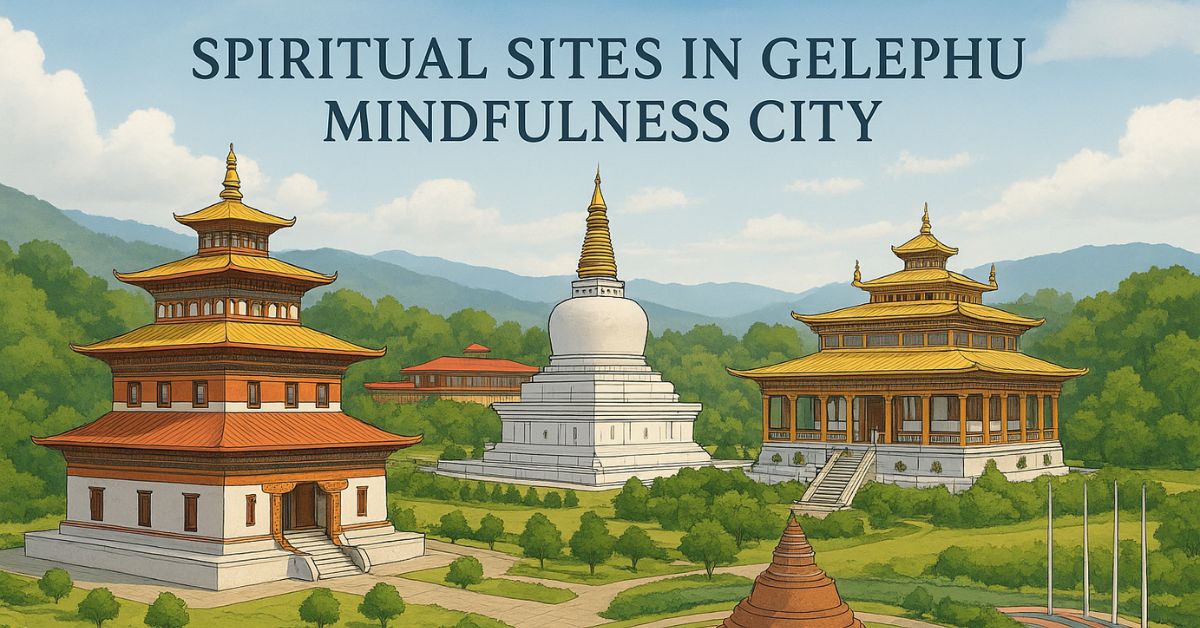
Buddhist temples, stupas and spiritual projects planned for Gelephu Mindfulness City, Bhutan

Spiritual Sites in Gelephu Mindfulness City

Spiritual sites in Gelephu Mindfulness City (GMC) include sacred chortens, temples, monasteries, retreat centres, Buddhist learning institutions and contemplative landmarks. Some are already completed, while others are being developed as part of His Majesty The King’s vision to make GMC a place where Bhutan’s living Vajrayana traditions can meet other Buddhist lineages and spiritual communities from around the world.

Shelkar Drak Lhakhang, the White Crystal Cliff Temple in Haa, Bhutan

Shelkar Drak Lhakhang, a White Crystal Cliff Temple in Haa

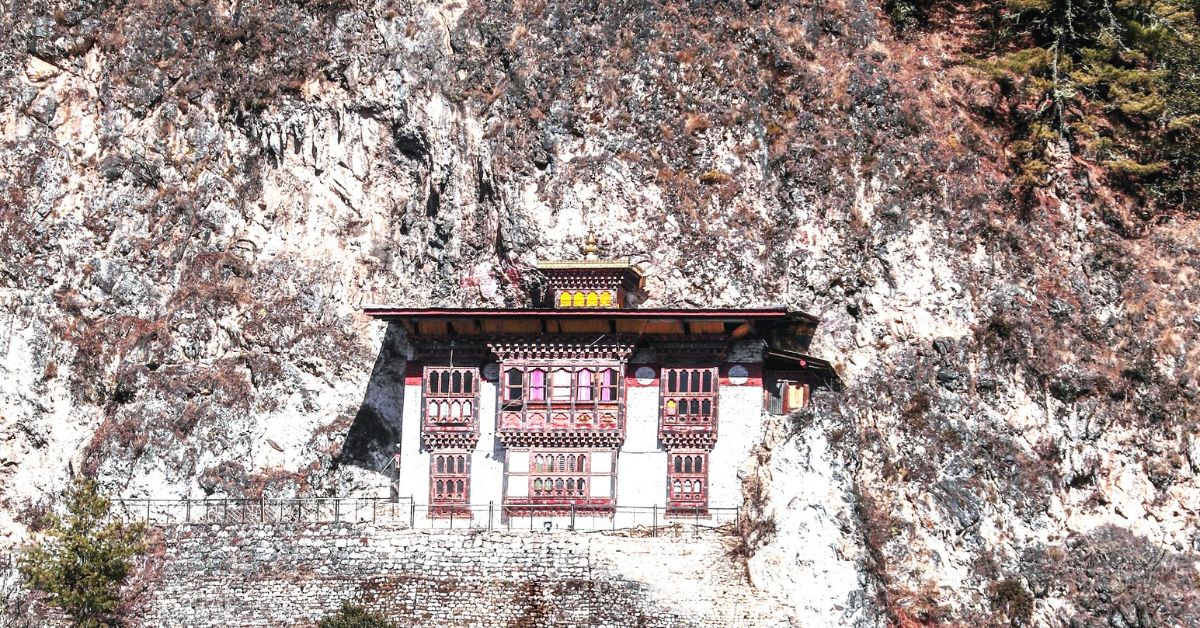
Shelkar Drak Lhakhang, also known as Shekhar Dra Goemba, is a small retreat temple on the southern slope of Avalokiteshvara Hill in Haa Valley. Its name means “White Crystal Cliff” or “crystal crag,” referring to the pale limestone cliff that pilgrims partly whitewashed and the temple that appears to rise naturally from the rock face.

Changangkha Lhakhang temple in Thimphu, Bhutan

Changangkha Lhakhang, the Sacred Site of Guru’s Celestial Horse

Changangkha Lhakhang, also known as Phagpa Ranjung Tsuglakha, is a temple dedicated to Avalokiteshvara. Its origins are closely associated with Phajo Drugom Zhigpo and his son Nyima Chog, whom local tradition credits with establishing the temple in the 13th century after witnessing Guru Rinpoche’s celestial horse, Changshey. Perched on the tip of a ridge extending from the eastern hills toward central Thimphu, it remains one of the valley’s most important living religious sites.