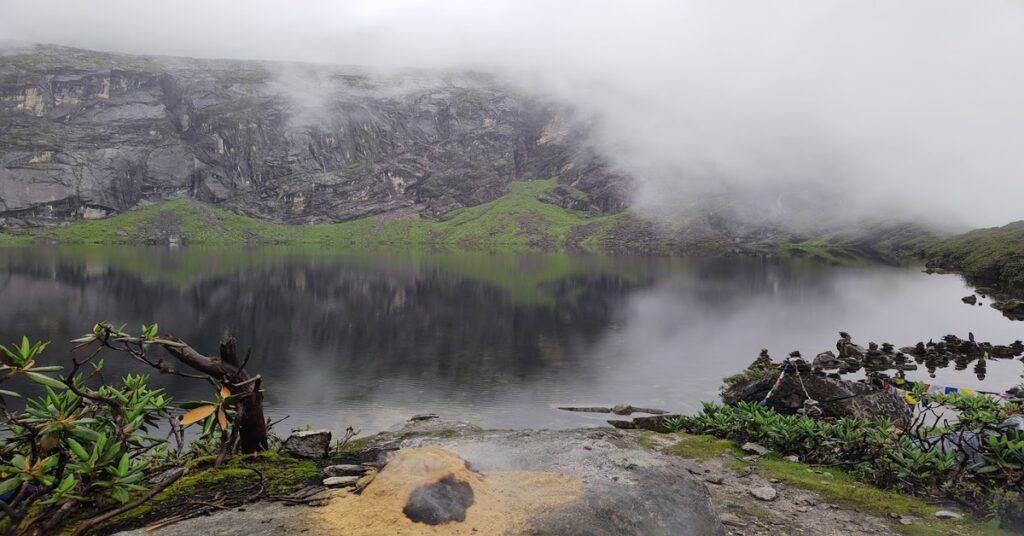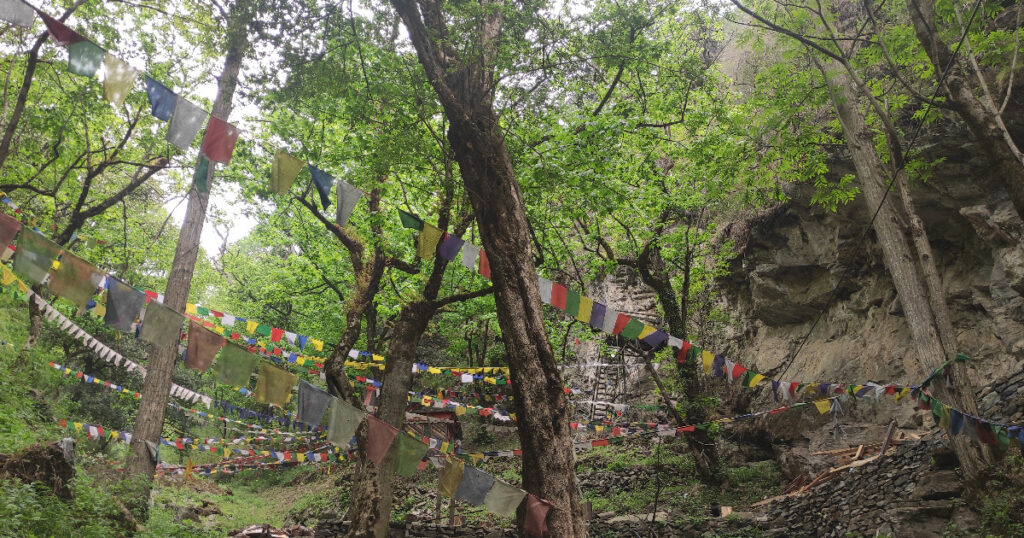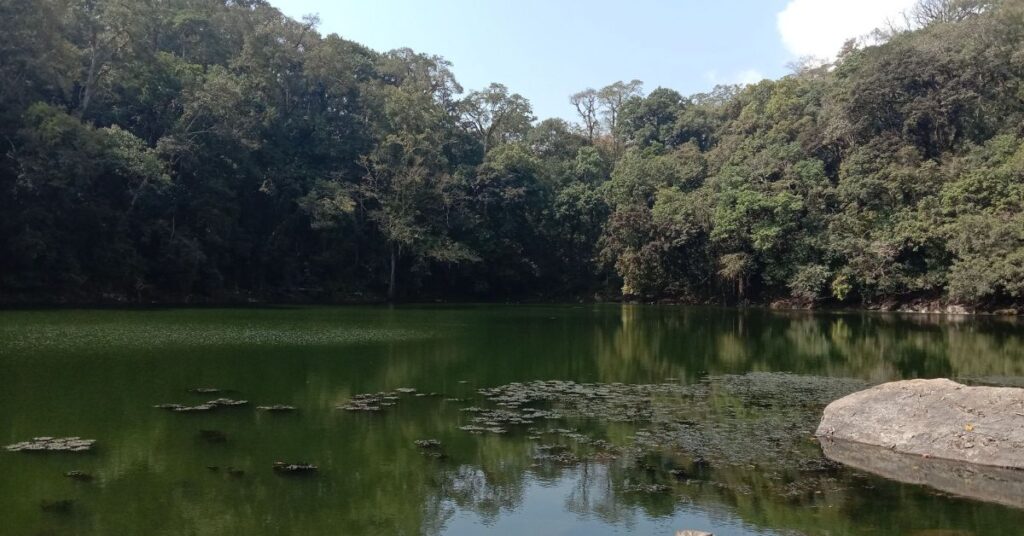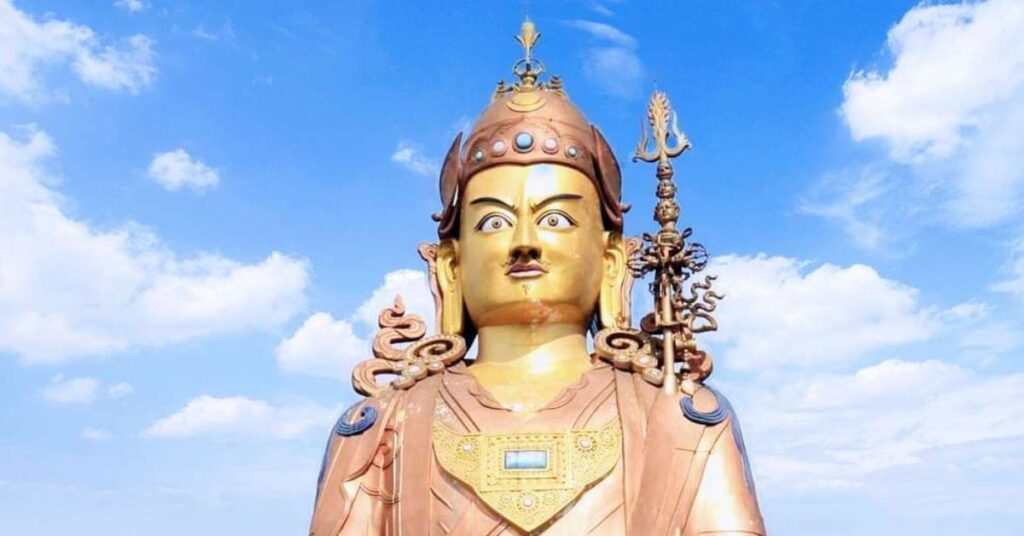
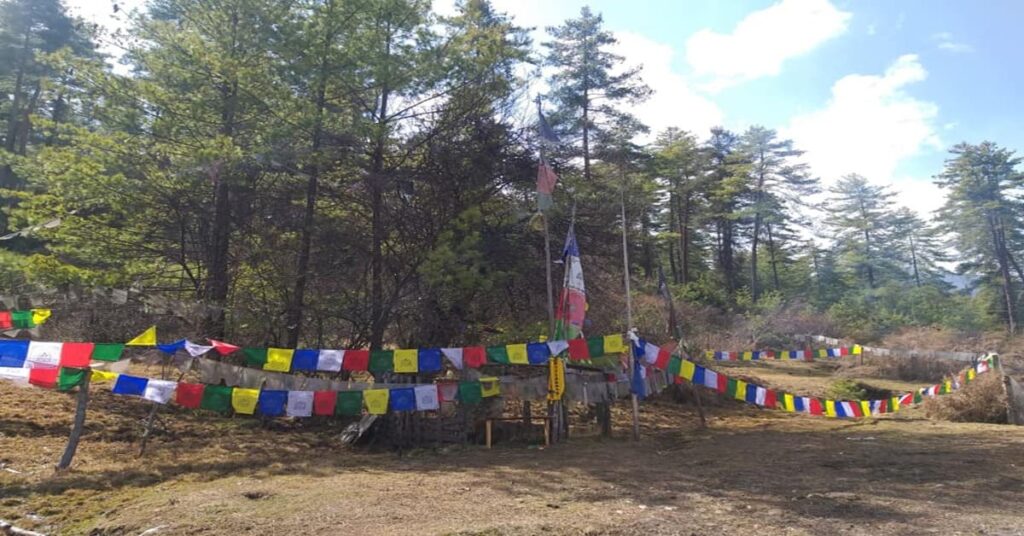
Bjagay Menchu in Paro, also known as Bjagoe Menchu, is a popular medicinal spring water blessed by Lama Drukpa Kunley, which heals fractured bones and arthritis. The Menchu is located in Jieu Dado of Lungnyi Gewog under Paro Dzongkhag at 2110 masl and is well-known as the bone-healing Menchu.
It is a popular destination for people looking for a natural remedy through soaking in medicinal water, and it is renowned for its healing properties. Every day, people with complications like arthritis and broken bones travel from all around the country to the Menchu.
Menchus are also popular in Bhutan, just like Tshachu and Drupchhu. It is found in various locations in the country. People soak in the Menchus because they believe it can cure diseases like arthritis, body aches, and sinusitis.
How to Reach Paro Bjagay Menchu
The Bjagoe Menchu is located at Jiwphu, about 10 kilometers towards Chelela from Paro Bondey. The drive along the Paro-Haa highway towards Chelayla from Paro Bondey Town to Jaagey Menchu will take about half an hour.
The Menchu is near the road, so people with physical disabilities also visit it. On weekends and national holidays, it is usually crowded with visitors.
Also Read: Guru Rinpoche in Bhutan: His Visits to Bhutan and Sacred Sites
Historical Background of Bjagay Menchu
The Bjagoe Menchu is sacred because it is believed to have been blessed by Choje Drukpa Kinley in the 15th century. Later, the lama of Dzongdrakha discovered the Menchu. It is said that the lama came across a vulture with broken wings, taking water from a rock and soaking its injured wing in the spring water from time to time. The lama found that the vulture had completely healed after a few days, and the vulture flew away as if it had never been injured. The story spread far and wide about the healing power of that water, and people with fractured bones visited the spring to take a hot stone bath.
This is how the Menchu got its name, Bjagoed Menchu, which translates to “a vulture’s medicinal water” or the “medicinal water of a vulture.”
Also Read: Menchu or Medicinal Springs in Bhutan: Beliefs and Benefits
Organoleptic Properties of Bjagay Menchu
The organoleptic properties of Bjagay Menchu are not available.
Therapeutic Values or Ethnopharmacological Uses of Bjagay Menchu
Bjagay Menchu treats fractures, arthritis, ulcers, cardiac diseases, and physical wounds. People say Menchu is best for bone-related issues and for effectively healing fractures.
There are many incidents where people who could barely stand could walk on their own after soaking in the Menchu for some days. The majority of the visitors are people who have broken bones and injuries due to accidents.
Description of Bjagoe Menchu
The Bjagay Menchu pond is enclosed to protect the medicinal spring water and the marshes. Even today, the imprint of the vulture’s claw is still visible. The Menchu underwent a substantial makeover in 2017. The UNDP’s Global Environmental Facility – Small Grants Programme funded a project that installed water-heating stoves and solar-powered water-heating systems.
Bjagoed Menchu has guest rooms, proper bath facilities, toilets, and electricity. The Menchu facility is leased out to a local, who has employed a few staff members to manage waste, run a canteen, heat the stones, clean the baths at night, and maintain the lavatory facilities.
There are eight bathhouses and rooms with a wooden tub. A room with a tub costs Nu 1500 per day (eight hours). A family of five can use the bathroom and the room together. During the summer, visitors can use the bathhouse from 8 a.m. until 5 p.m. After 5 pm, day visitors can use the service. It costs Nu 1000 for day visitors who do not stay overnight to use a single bathhouse for three hours.
Also Read: Aja Menchu, the Medicinal Spring Water at Aja Ney
Accommodation at Paro Jagay Menchu
There are eight guesthouses, a common toilet, and a canteen. The rooms have plug points for you to bring your cooking appliances. You can also order food and beer from the canteen.
However, there are certain dos and don’ts that the Menchu visitors must strictly follow while in and around the vicinity of the Menchu. People cannot cut trees around the Menchu vicinity. They are also not allowed to cook meat and fish items.
For more information, call 17429334/17882255 (B-Mobile) or 77295508/77627977 (T-Cell) for booking.
Best Time to Visit Bjagay Menchu, Paro
People visit throughout the year as the Menchu is suitable for any season, and there’s no better time to visit and soak in the medicinal spring water. Many locals are seen visiting the Menchu, especially during the winter season. You can visit major medicinal springs in Bhutan with the Bhutan Pilgrimage Package.
Frequently Asked Questions
What is Bjagay Menchu?
Bjagay Menchu, also spelled Bjagoe or Jaagey Menchu, is a renowned medicinal spring in Paro, Bhutan, celebrated for its bone-healing and therapeutic properties. Located in Jiwphu (Jieu Dado) under Lungnyi Gewog at an elevation of 2,110 meters above sea level, this natural spring is blessed by the revered saint Lama Drukpa Kunley and is widely visited by locals and tourists seeking relief from fractures, arthritis, joint pain, ulcers, and other ailments.
History and Spiritual Significance
According to local belief, Bjagay Menchu was sanctified by Lama Drukpa Kunley, the 16th-century “Divine Madman” of Bhutan, whose blessings are said to enhance the spring’s healing powers. The name “Bjagay” translates to “vulture,” and the site has long been regarded as a sacred menchu (medicinal water) in Bhutanese traditional medicine. Pilgrims and patients have visited for generations to bathe in and drink the mineral-rich waters, trusting in both their physical and spiritual benefits.
Healing Properties and Benefits
Bjagay Menchu is especially famous as the “bone-healing menchu,” believed to accelerate the recovery of fractured bones and strengthen skeletal health. In addition to bone injuries, the spring’s waters are traditionally used to treat arthritis, joint pain, ulcers, cardiac conditions, physical wounds, and chronic body aches. The mineral content and sacred blessings associated with the site make it a popular destination for those seeking natural remedies within Bhutan’s holistic healing culture.
Location and How to Reach
Bjagay Menchu is situated in Jiwphu village, Lungnyi Gewog, Paro Dzongkhag, approximately 10 kilometers from Paro Bondey along the Paro-Haa highway toward Chelela Pass. The drive from Bondey takes about 30 minutes, and the site is located near the road within the Lungnyi Community Forest area. Visitors can easily reach the menchu by private vehicle or taxi from Paro town, and local guides or tour operators can provide precise directions to the bathhouse facilities.
Visiting Hours and Entry Details
The bathhouse at Bjagay Menchu operates from 8:00 AM to 5:00 PM for overnight or stay-in guests. After 5:00 PM, the facility opens to day visitors who do not stay overnight, making late afternoon and evening ideal times for short visits. There is no formal entry fee for the spring itself, but visitors pay for bathhouse usage: Nu. 1,200 per day for a family of up to five members (including guesthouse accommodation), or Nu. 800 for a three-hour day bath. For bookings and inquiries, contact the caretaker at 17922229 or other local numbers such as 17429334/17882255 (B-mobile) or 77295508/77627977 (T-cell).
Facilities and Accommodation
Bjagay Menchu offers basic but functional facilities, including a guesthouse and traditional wooden hot stone bath tubs large enough for couples or small families. The bathhouse uses local river stones heated in an open fire and then immersed in spring water to create a soothing, therapeutic soak. Overnight guests can stay in simple rooms that accommodate up to five people, while day visitors can book timed slots after 5:00 PM when stay-in guests conclude their sessions.