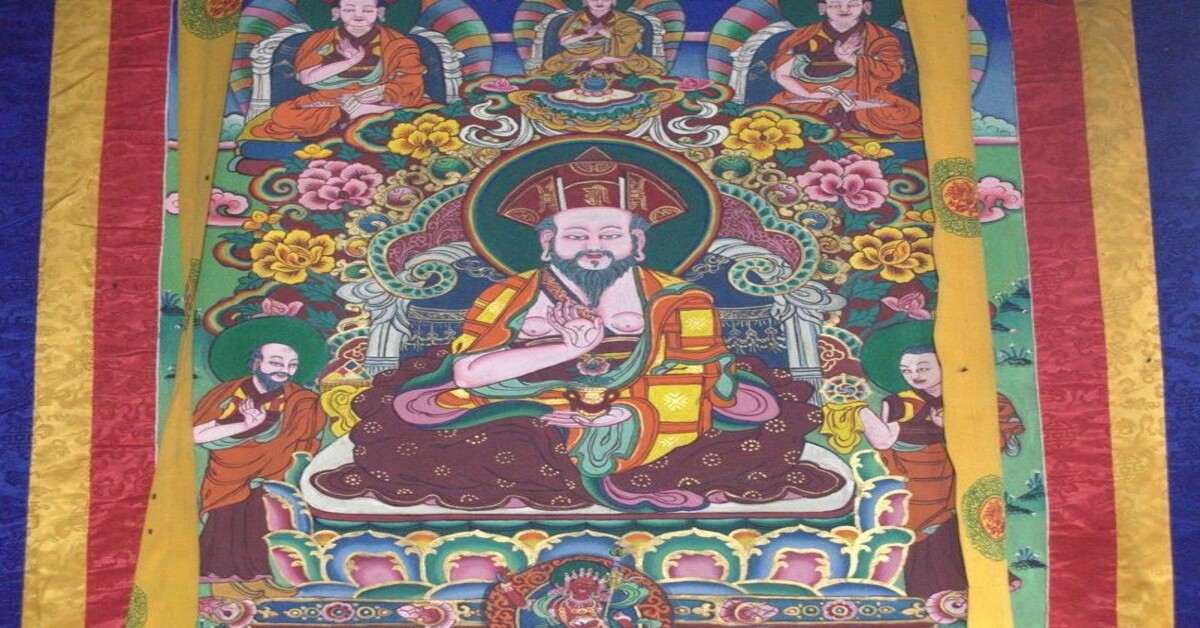
Zhabdrung Ngawang Namgyal, also known as Zhabdrung Rinpoche, was a Tibetan spiritual master of the Drukpa Lineage who came to Bhutan in 1616 and unified Bhutan.

Your Trusted Platform for Bhutan Pilgrimage Journeys
Your Trusted Platform for Bhutan Pilgrimage Journeys
Your Trusted Platform for Bhutan Pilgrimage Journeys
Zhabdrung Ngawang Namgyal, also known as Zhabdrung Rinpoche, was a Tibetan spiritual master of the Drukpa Lineage who came to Bhutan in 1616 and unified Bhutan.
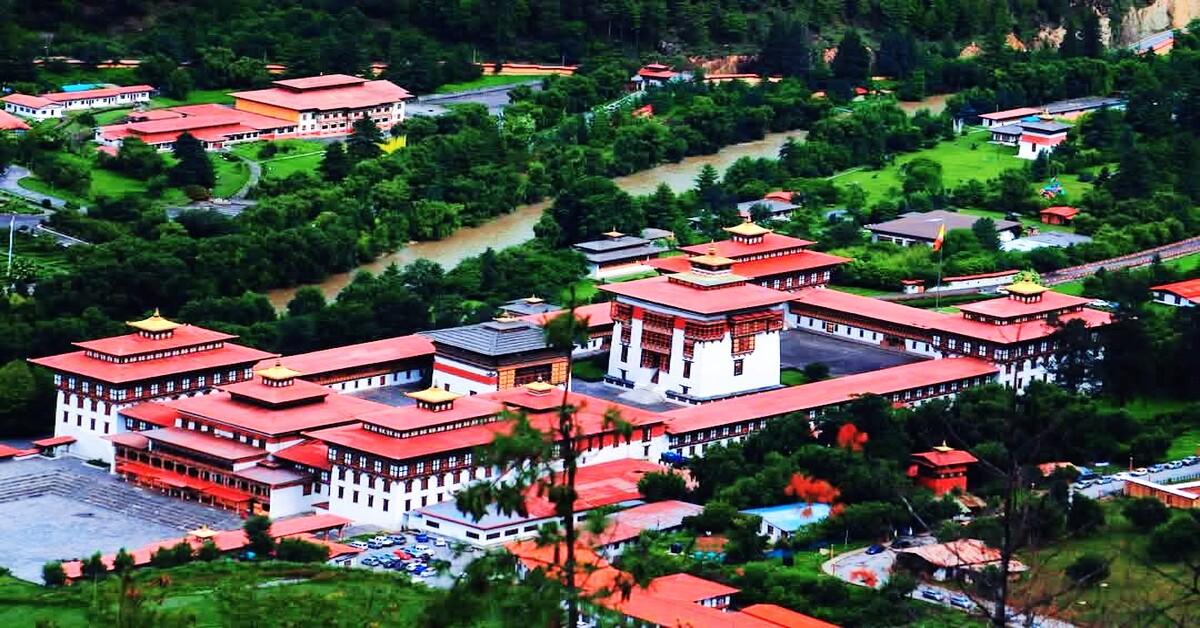
Tashichho Dzong, also known as Thimphu Dzong, is the center of Bhutan’s capital that houses the king’s throne room and offices.
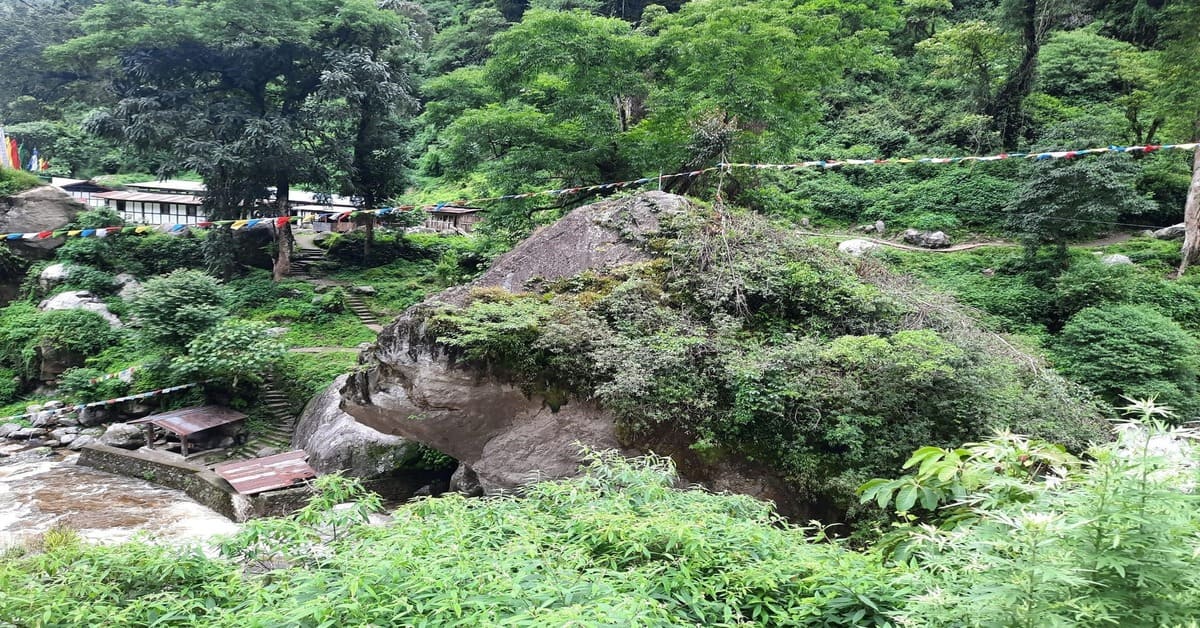
Koma Tshachu is a hot spring blessed by Guru Rinpoche in Punakha located at an altitude of 1839 meters famous for healing broken bones and joints.
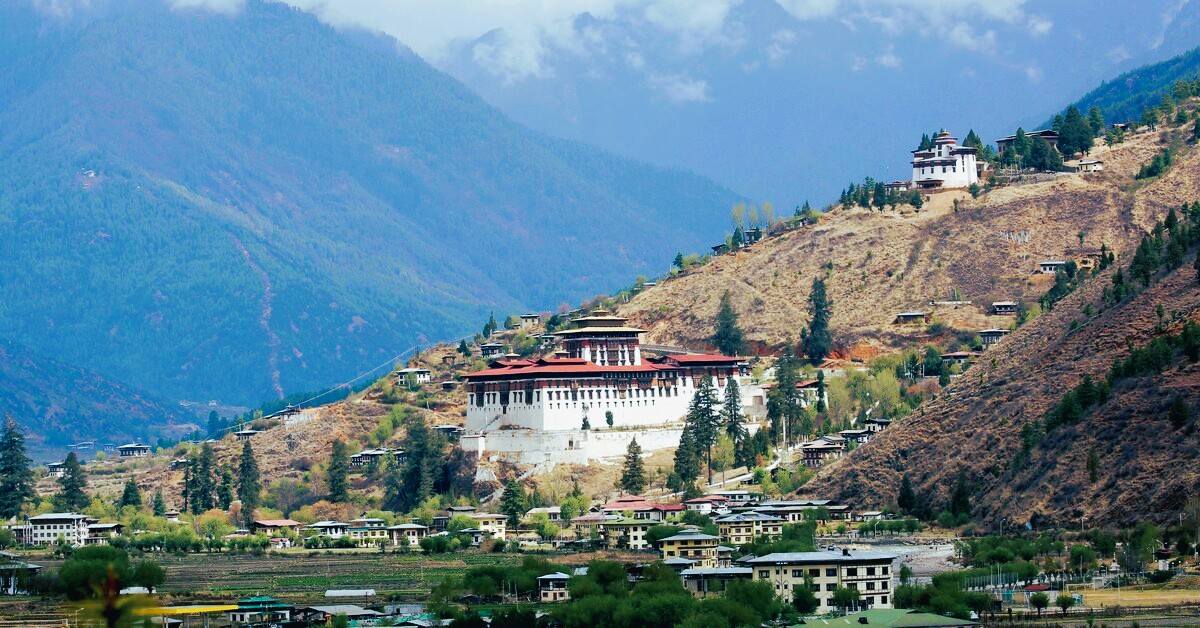
Paro Rinpung Dzong, also known as Paro Dzong, is a huge fortress built by Zhabdrung Ngawang Namgyal for defense against the Tibetan invasions in 1646.
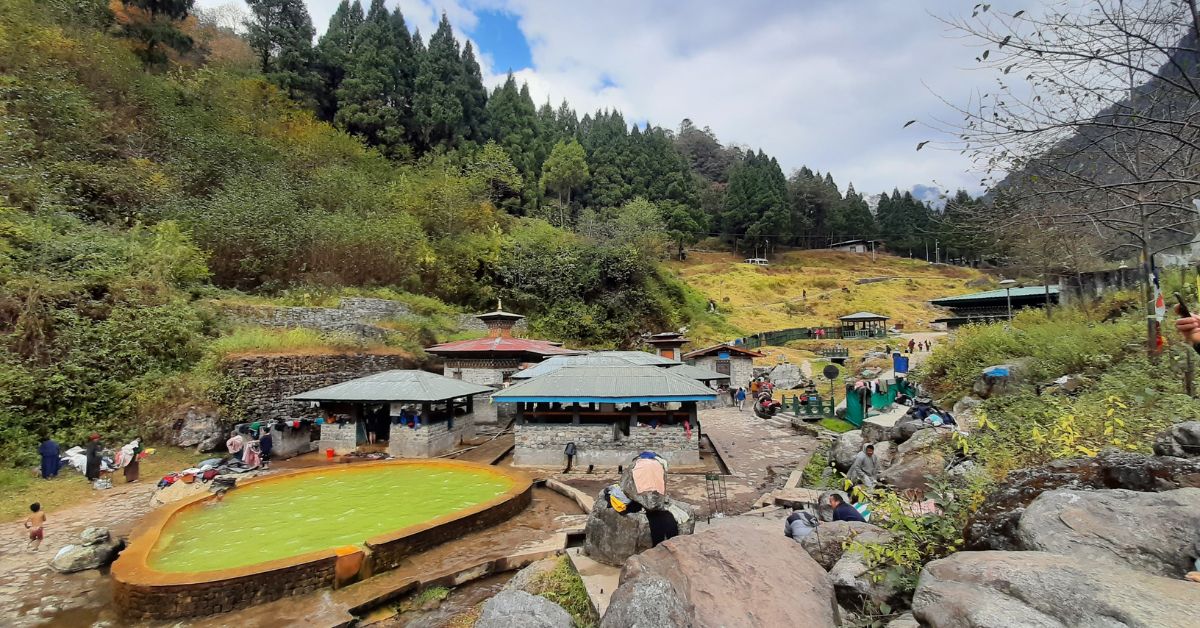
Gasa Tshachu is a hot spring believed to cure 13 different diseases known as Neyrig Chusum situated at an elevation of 2100 meters in Gasa Dzongkhag.
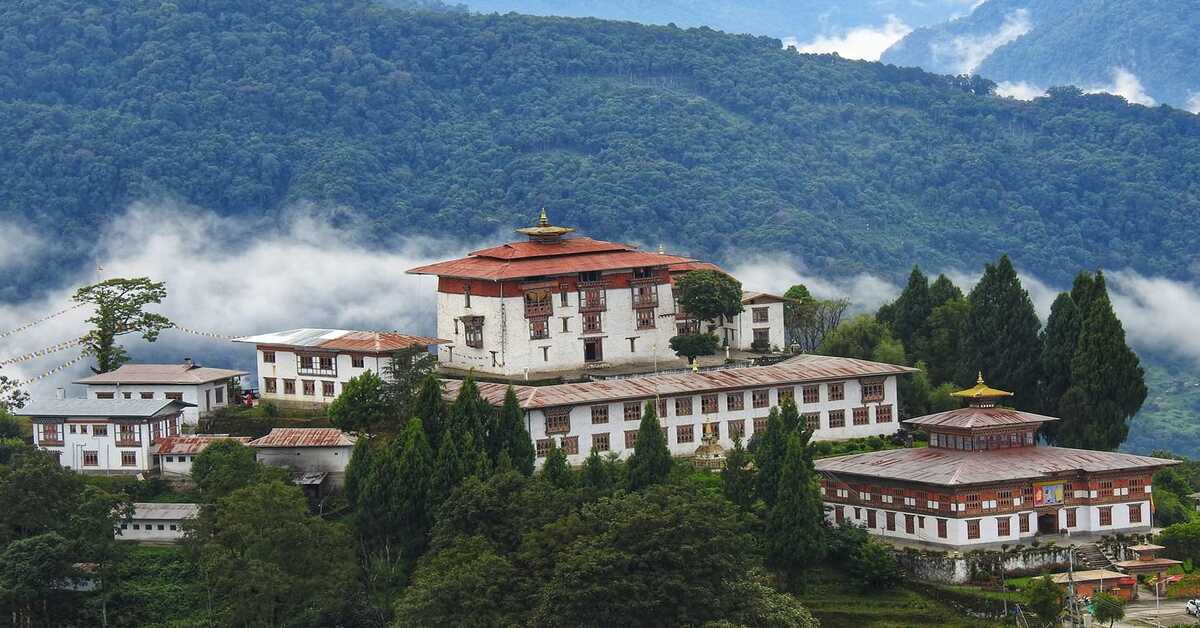
Zhemgang Dzong or Druk Dechen Yangtse Dzong is a fortress built by the Zhabdrung Ngawang Namgyal in Bhutan to mark the unification of Khengrig Namsum in 1655.
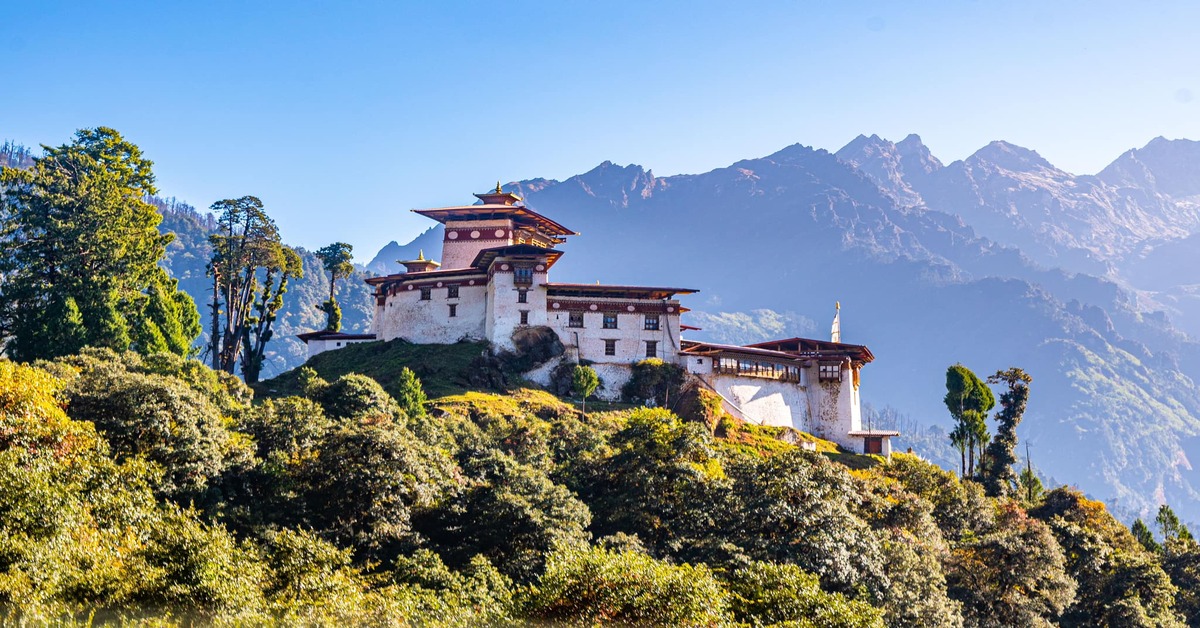
Gasa Dzong, also known as Gasa Tashi Thongmon Dzong is one of the 16 dzongs built by the Zhabdrung to commemorate the victories over the Tibetans in 1646.
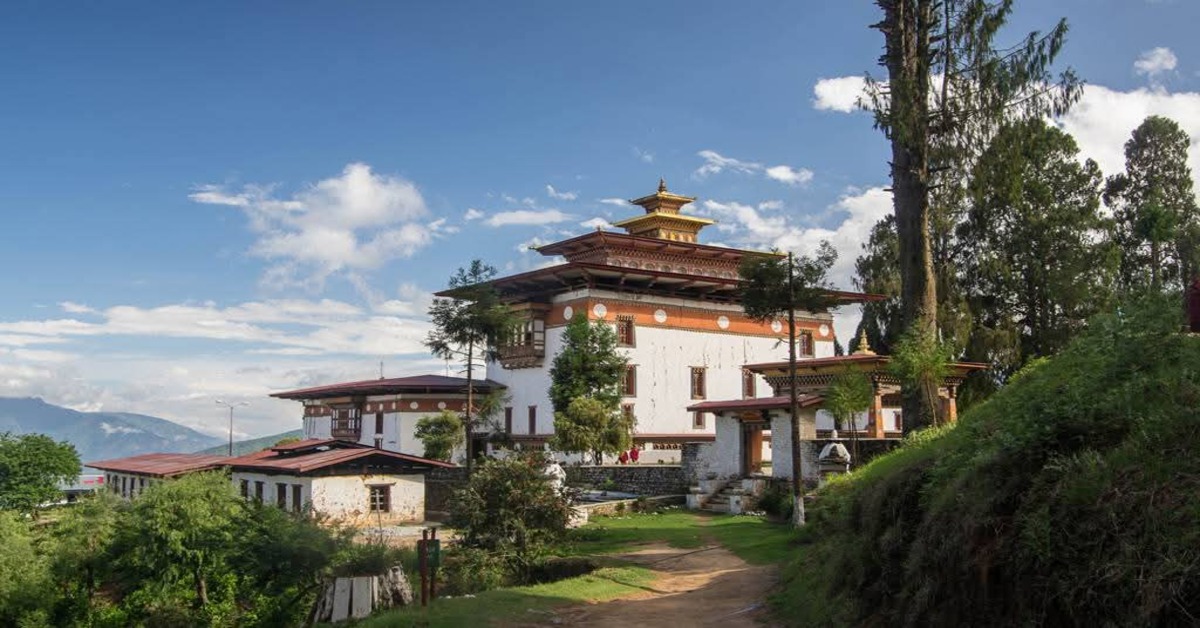
Talo Monastery, also known as Talo Sangngak Choling Dzong, is a three-story monastery built in 1767 by Chogtul Jigme Singye as a replica of the Samye monastery.
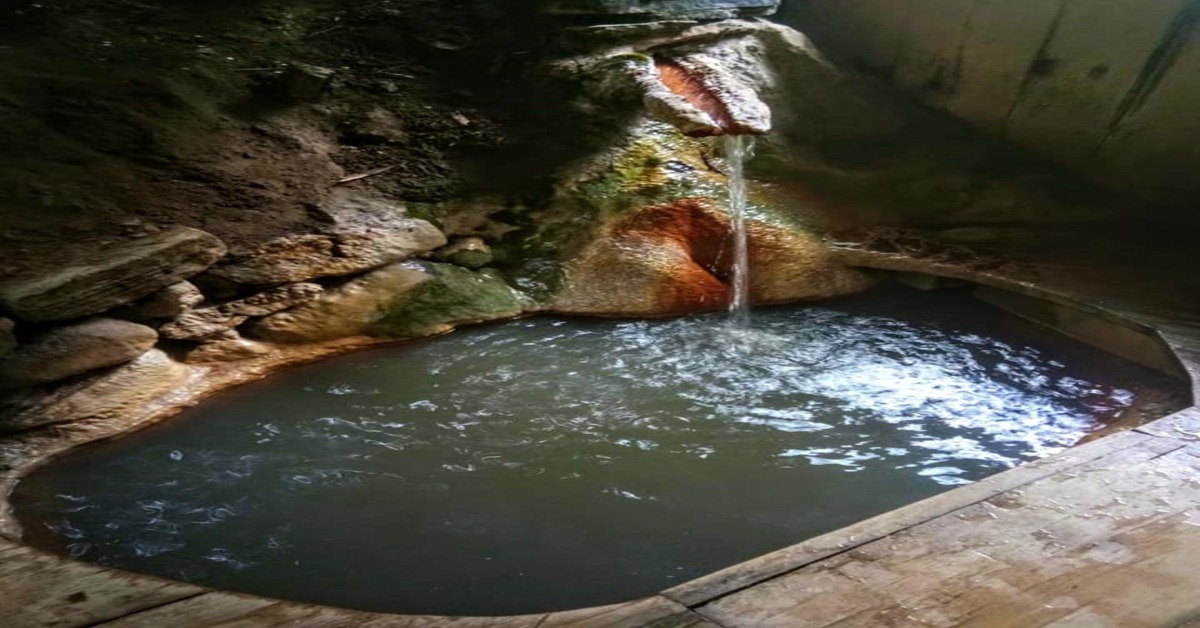
Dhur Tshachu, also known as Dur hot spring, is a hot spring revealed by Guru Menlha in Bumthang, renowned for its medicinal value to cure many diseases.
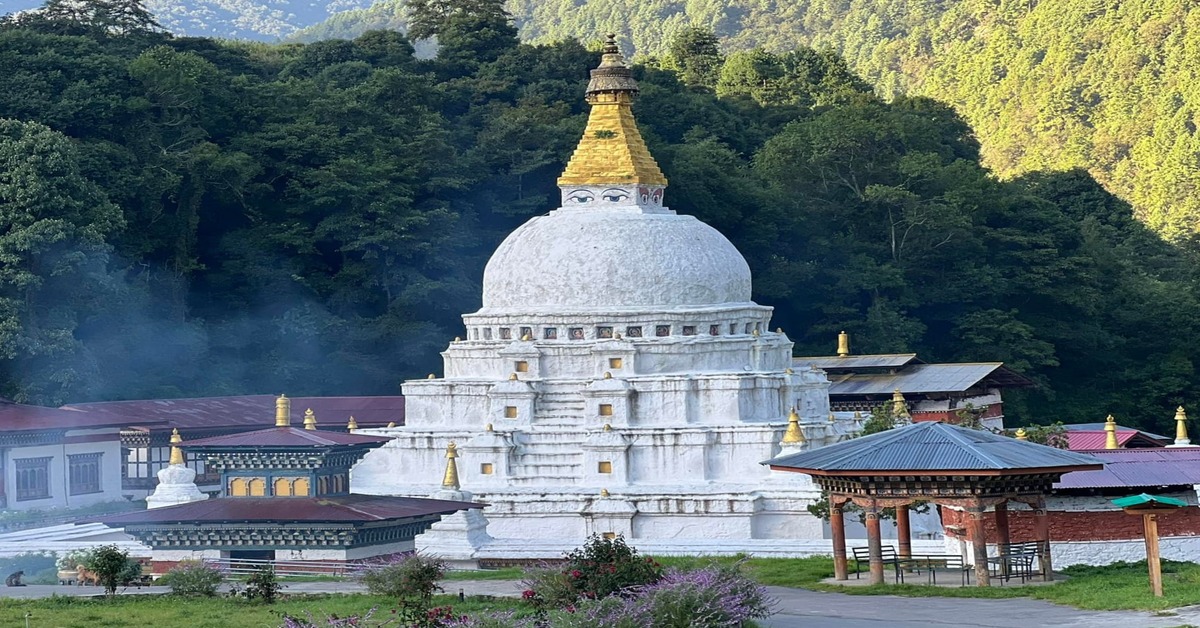
Chorten Kora is a Buddhist stupa in Trashiyangtse, Bhutan built by Lama Ngawang Lodro in 1740 AD. The stupa is modeled after the famous Boudha Stupa in Nepal.