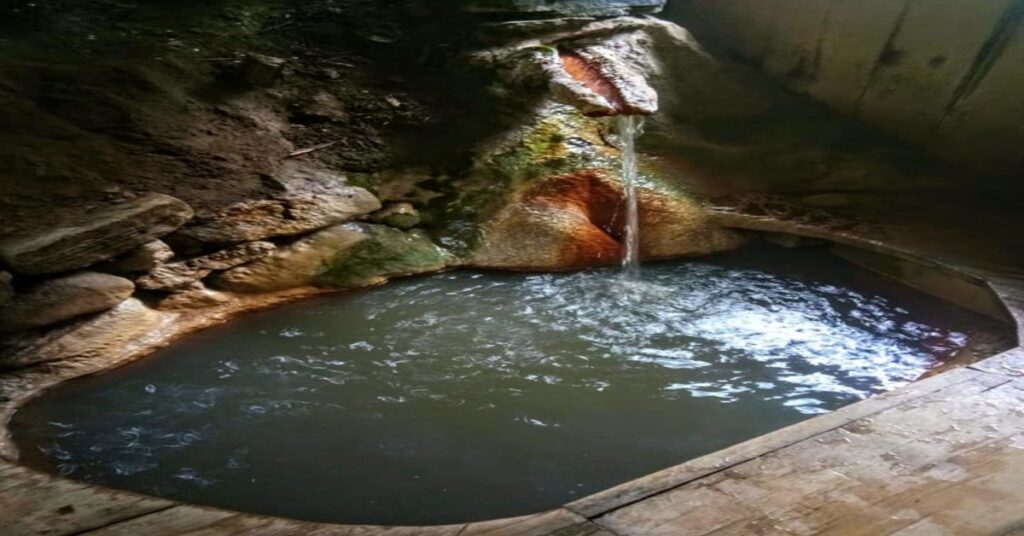
Dhur Tshachu, also known as Dur hot spring, is a hot spring revealed by Guru Menlha, renowned for its medicinal value to cure many diseases. The hot spring is located in the Dhur village within the jurisdiction of Wangchuck Centennial Park in the north of Bumthang Dzongkhag, at an altitude of above 3500 meters.
Dur Tshachu has 7 hot springs with 14 pools, and the average temperature of the hot springs varies from 38 to 52 degrees Celsius. The seven Tshachus in the Dhur Tshachu area are Chenrezig Tshachu, Zekham Tshachu, Dangwa Mochu Tshachu, Dangwa Phochu Tshachu, Gunay Tshachu, Guru Tshachu, and Beken Menchu Tshachu.
The most popular hot springs in Bhutan are the Chubu and Koma hot springs in Punakha; the Duenmang hot spring in Zhemgang; the Khempajong Nye hot spring in Lhuntse; the Gasa hot spring in Gasa; and the Gelephu hot spring in Sarpang.
Also Read: Hot Springs in Bhutan: Bhutanese Beliefs and Benefits
How to Reach Dhur Tshachu
Dur Tshachu is located in Wangchuck Centennial Park in Bumthang. Two different routes lead to it: one from Dhur village in Bumthang and the other from Sephu Gewog in Wangdue Phodrang Dzongkhag.
If you travel from Bumthang Chamkhar town, drive 12 kilometers upstream on a farm road to Dur Menchugang village. It’s about an hour’s drive through the beautiful blue pine forest from Chamkhar town to Dhur village. From there, it is a three-day Journey to reach the hot spring.
Also Read: How to Reach Gasa Hot Spring
Trek Route of Dhur Tshachu
- Start from Chamkhar town, Bumthang;
- Chamkhar town to Dhur village: 45-minute drive;
- Dur Menchungang to Dur Hot Spring: 3-day Dhur Hot Spring trek.
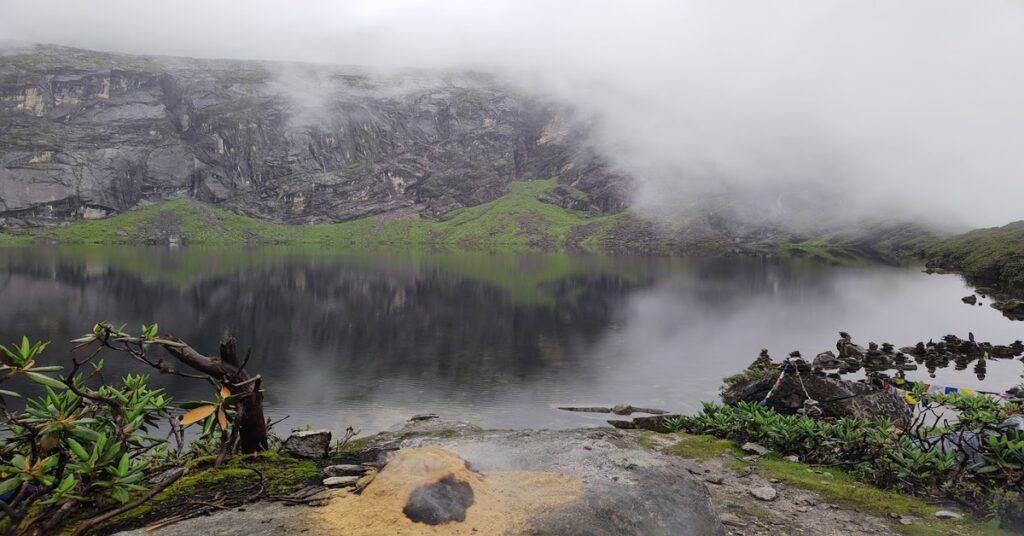
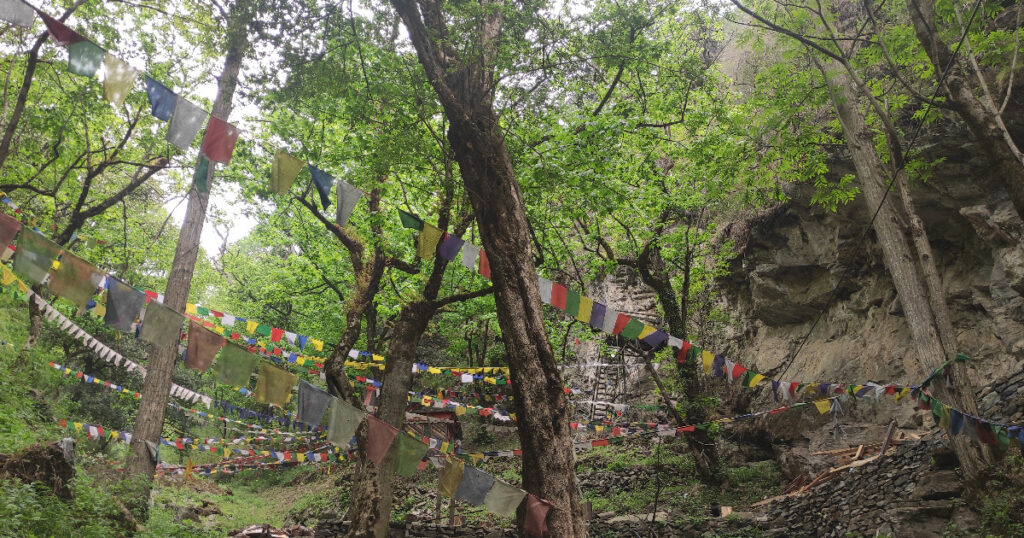
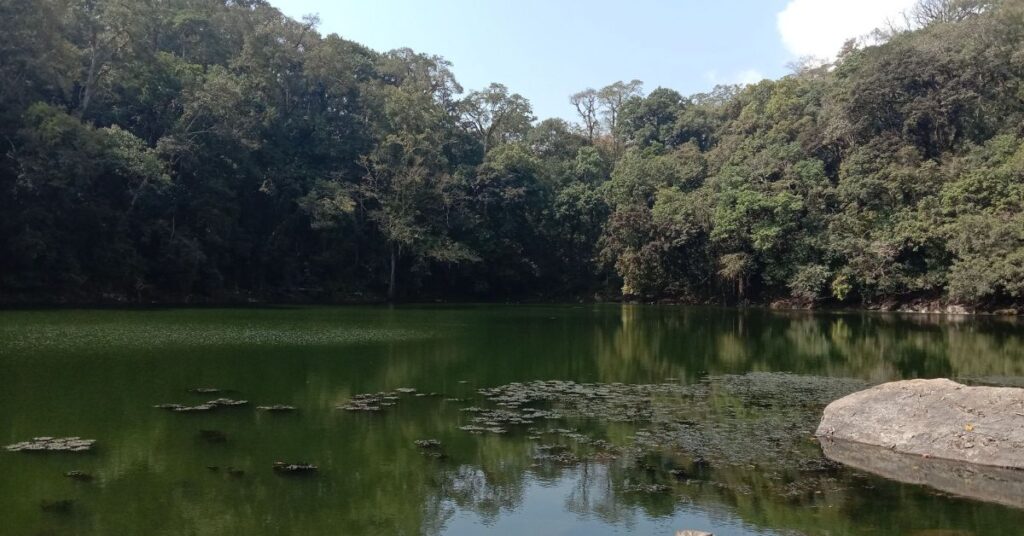
Dur Hot Spring Trek: It’s a three-day trek from Bumthang, famous for the Dhur hot springs. Porters and ponies can be arranged at the starting point of the hike. The first two days of hiking consist of moderate slopes, initially through the blue pine forest and then through the broadleaf forest along muddy tracks. The last day of the trip is a light and adventurous one. Hikers have to climb uphill and then downhill to reach the hot spring site. The journey promises spectacular scenery, with two giant lakes along the way. Blue Sheep are commonly spotted in the area.
Although there are many suitable places for camping, Chokchormi and Ngondong are the most recommended sites for night halts due to their beautiful natural scenery.
Also Read: Trek Route of Koma Tshachu, a Hot Spring of Guru Rinpoche at the base of Ney Rinchen Dzong
The Origin of Dhur Tshachu
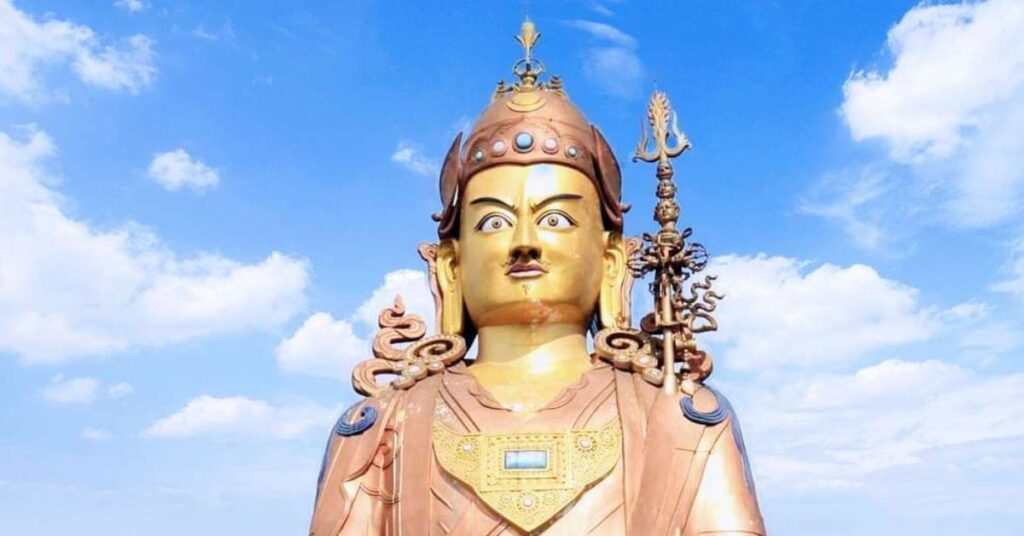
It is said that Guru Rinpoche visited and blessed the spring and many small pools to benefit those who suffered from the disease. The biography of Sindhu Raja, called “The Clear Mirror,” states: Guru Rinpoche arrived at the upper end of Dur in the form of Guru Menlha, “Medicine Guru Rinpoche”. He revealed 108 hot springs to liberate sentient beings from deadly diseases and bound all the local deities and treasure protectors by an oath to protect the hot springs. The hot springs were named Tshachu Deged Nyomden.
Also Read: The Origin of Chubu Tshachu in Punakha
Description of Dur Tshachu
The Dhur hot springs are located at 3390 meters above sea level between the Mangde River on the right and a stream that originates from Chatsinang Lake on the left. Dhur Tshachu has the largest number of pools in a single Tshachu complex. There are around 14 pools at Dur, seven of which are formally examined and tested by the Institute of Traditional Medicine. They are:
- Guru Tshachu
- Drangwa Mo Tshachu (female hot spring)
- Drangwa Pho Tshachu (male hot spring)
- Zerkham Tshachu
- Gunay Tshachu
- Khandro Tshachu (Dakini hot spring)
- Chenrezig Tshachu (Avalokiteshvara hot spring).
The tubs are natural stone, not man-made. Wangchuck Centennial National Park has renovated all the pools. Today, Dhur Tshachu is considered one of Bhutan’s most hygienic and properly managed Tshachus.
Also Read: Description of Gelephu Tshachu
Therapeutic Values or Ethnopharmacological Benefits of Dhur Tshachu
believed to have healing properties for diseases such as rheumatism, gastritis, hypertension, diabetes, stomach pain, and arthritis.
Each Tshachu is believed to possess different healing properties. The Therapeutic benefits of each pond are:
- Chenrezig—vision defects
- Zekham—tetanus
- Dangwa Mochu—sexually transmitted diseases such as syphilis and gonorrhea. As indicated by the name Mo (female), only females benefit.
- Dangwa Phochu—provides similar benefits as Dangwa Mochu, but only for males. Pho means ‘male’.
- Gunay—chronic and acute headaches
- Guru—a general pond with healing properties for all kinds of diseases
- Beken—tuberculosis
Also Read: Therapeutic Values or Ethnopharmacological Benefits of Duenmang Tshachu
Accommodation at Dhur Tshachu
Wangchuck Centennial National Park has built guest houses that can accommodate up to 60 visitors.
Best Time to Visit Dur Tshachu
Bhutanese recommend visiting hot springs between winter and spring months, as these times allow for maximum therapeutic benefits due to minimal disturbance in cosmo-physical components. The best season for the Dur Tshachu trek is March to April and September to October. You can visit the major hot springs of Bhutan with the Bhutan Pilgrimage Package.
Frequently Asked Questions
What is Dhur Tshachu?
Dhur Tshachu, also spelled Dur Tshachu, is a renowned natural hot spring in Bumthang district, central Bhutan, celebrated for its medicinal properties and stunning alpine setting. Located in Dur village within Wangchuck Centennial Park at approximately 3,200 meters elevation, it features seven hot springs with 14 natural pools, offering temperatures ranging from 38°C to 52°C. The springs are believed to cure ailments such as rheumatism, joint pain, skin conditions, and nerve-related discomfort, making it a popular pilgrimage and wellness destination for Bhutanese and international visitors.
Who discovered Dhur Tshachu and why is it sacred?
Dhur Tshachu is said to have been revealed by Guru Menlha, the Medicine Buddha, and is deeply revered in Bhutanese Buddhist tradition. Like many tshachus (hot springs) in Bhutan, it is considered a blessing from the Buddha, with waters imbued with spiritual and healing powers. Devotees visit not only for physical relief but also to purify negative karma and accumulate merit through ritual bathing and prayers.
What makes Dhur Tshachu spiritually unique?
The hot springs are nestled in a secluded valley surrounded by pristine forests and towering peaks, creating a serene environment ideal for meditation and spiritual reflection. The combination of natural beauty, sacred geography, and therapeutic waters makes Dhur Tshachu one of the most spiritually significant hot springs in the Himalayas, often included in pilgrimage circuits alongside other Bumthang sacred sites.
What are the medicinal benefits of Dhur Tshachu?
The mineral-rich waters of Dhur Tshachu are believed to alleviate a wide range of health issues, including arthritis, body aches, skin diseases, digestive disorders, and post-illness recovery. Different pools offer varying temperatures and mineral compositions, allowing visitors to choose based on their specific health needs. The springs are particularly sought after for relief from chronic pain and rheumatic conditions.
How many pools are there and what are their temperatures?
Dhur Tshachu comprises seven hot springs with a total of 14 natural pools, with water temperatures ranging from 38°C to 52°C. Some sources note specific pools with targeted benefits: cooler pools (around 33°C) for wind-related disorders, mid-temperature pools (38.3°C) for phlegm and skin conditions, and medicinal waters (sman chu) at 17.3°C for injuries, gout, and neural ailments. Visitors are advised to consult local guides or healers to select the most appropriate pool for their condition.
How do I reach Dhur Tshachu?
Reaching Dhur Tshachu requires a strenuous three-day trek from Bumthang, typically organized through licensed tour operators. The trail passes through Wangchuck Centennial Park, offering breathtaking views of alpine forests, rhododendron groves, and snow-capped peaks. Due to the remote location and challenging terrain, independent travel is not recommended; visitors should arrange guided treks with experienced local operators.
What should I bring for the trek and bathing?
Pack warm layers, sturdy trekking boots, rain gear, and a sleeping bag suitable for high-altitude camping. For bathing, bring swimwear, towels, and personal toiletries. Due to the remote location, carry sufficient water, snacks, and any necessary medications. A first-aid kit and altitude sickness remedies are recommended.
Are there accommodations near Dhur Tshachu?
There are no permanent hotels or guesthouses at Dhur Tshachu; visitors typically camp overnight or stay in basic shelters arranged by tour operators. For more comfortable accommodations, travelers stay in Bumthang town before and after the trek, where a range of hotels and lodges are available.