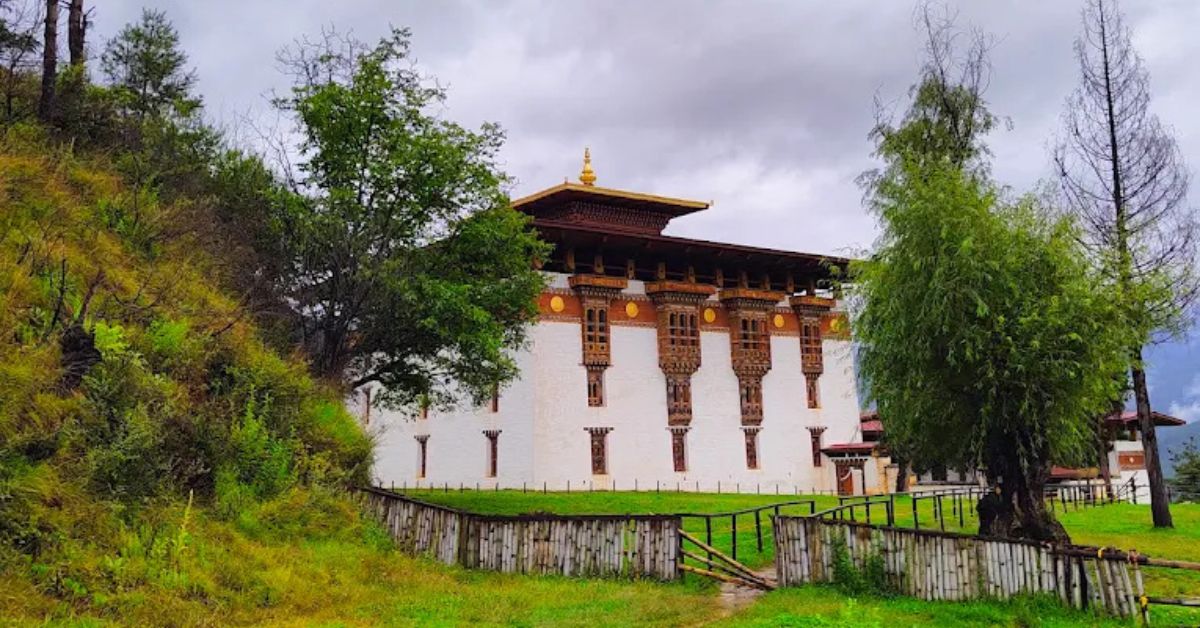
Druk Wangditse Lhakhang, also known as Zabden Lhundrubtse Dzong, is a 3-story fortress-temple founded by Druk Rabgye in 1715 CE as his residence.

Your Trusted Platform for Bhutan Pilgrimage Journeys
Your Trusted Platform for Bhutan Pilgrimage Journeys
Your Trusted Platform for Bhutan Pilgrimage Journeys
Druk Wangditse Lhakhang, also known as Zabden Lhundrubtse Dzong, is a 3-story fortress-temple founded by Druk Rabgye in 1715 CE as his residence.
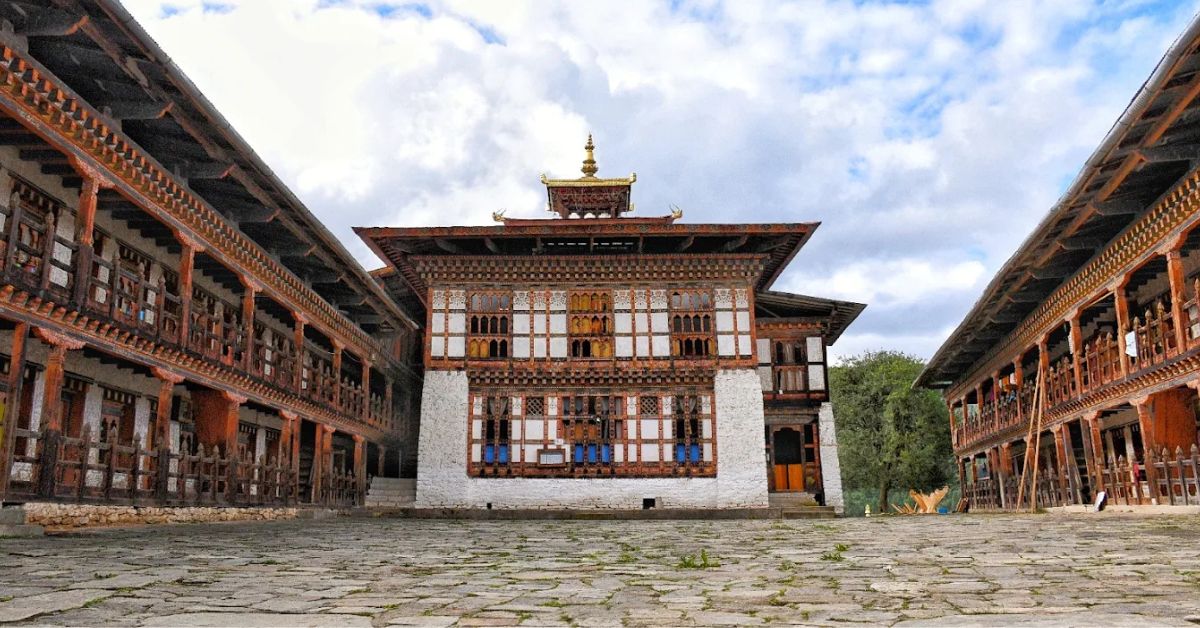
Nimalung Monastery, also known as Nyimalung Dratshang, is a two-story temple founded by Doring Trulku in 1938. It is located in Chumi valley of Bumthang.
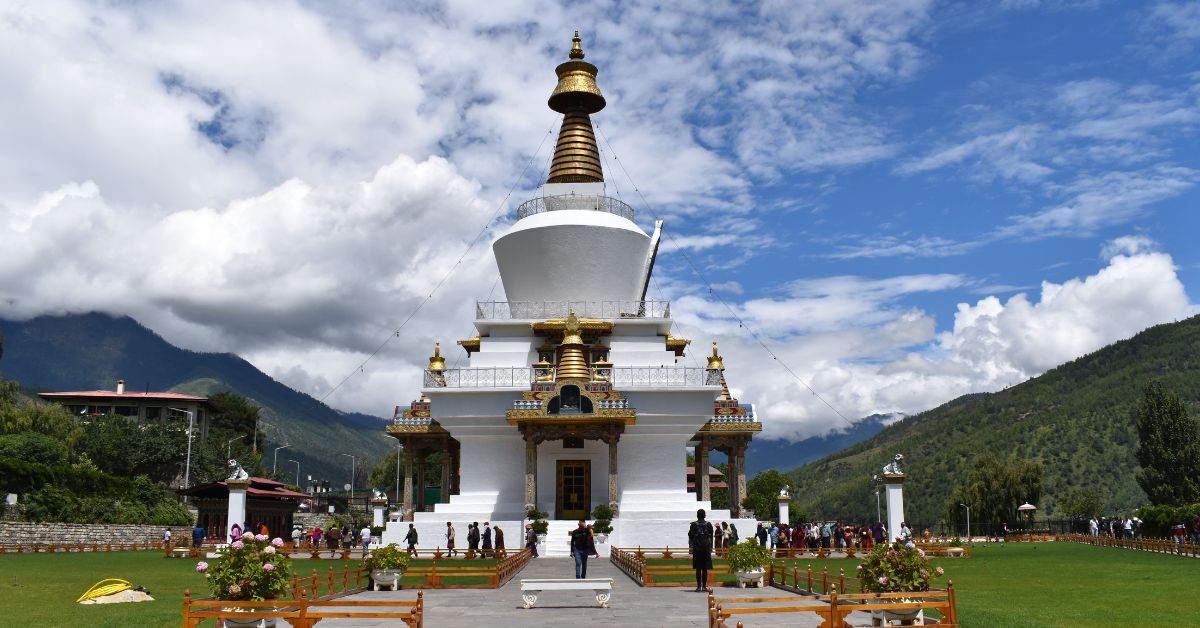
National Memorial Chorten is a memorial stupa built by Ashi Phuntsho Choden in 1973, in memory of the third king His Majesty, Jigme Dorji Wangchuck.
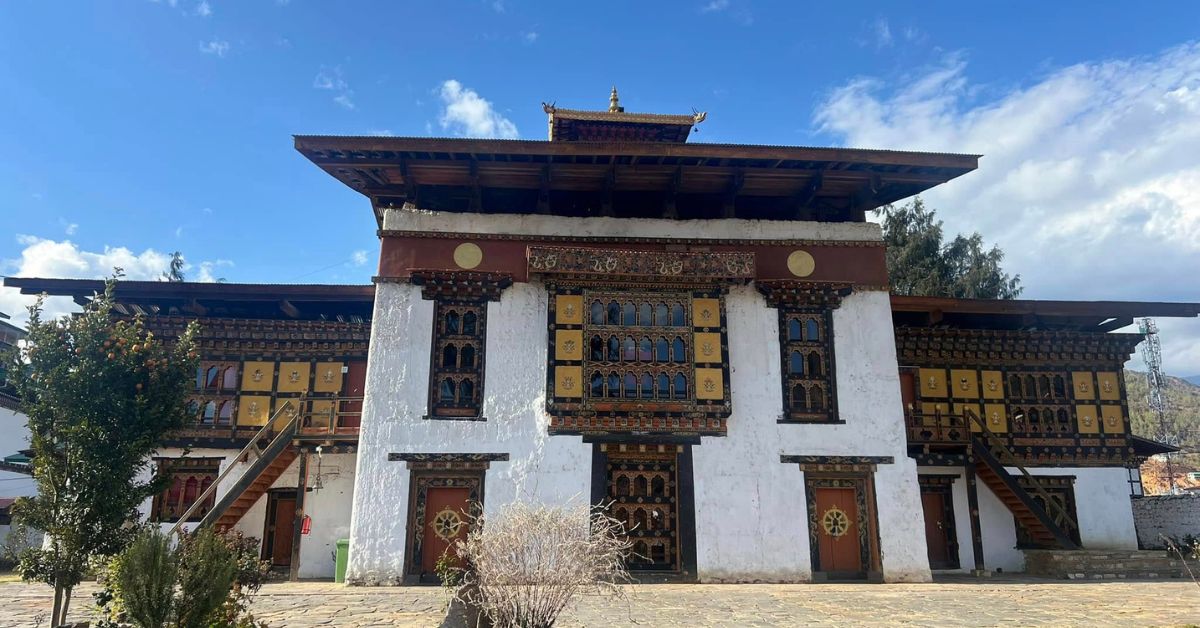
Druk Choeding Lhakhang, also known as Tshongdoe Temple or Tshongdoe Naktshang, is a two-story temple built by Ngawang Chhogyal in Paro Tshongdue town in 1525.
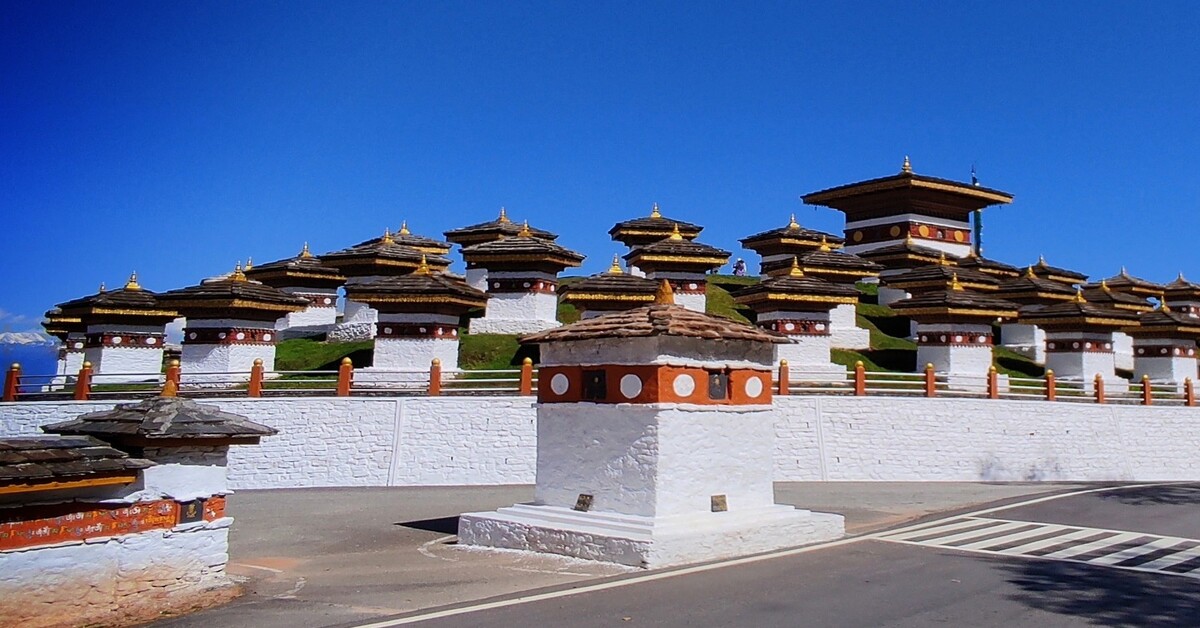
Druk Wangyal Chortens are 108 memorial stupas built on the Dochula Pass by Ashi Dorji Wangmo in 2003 to commemorate Bhutan’s victory against indian insurgents.
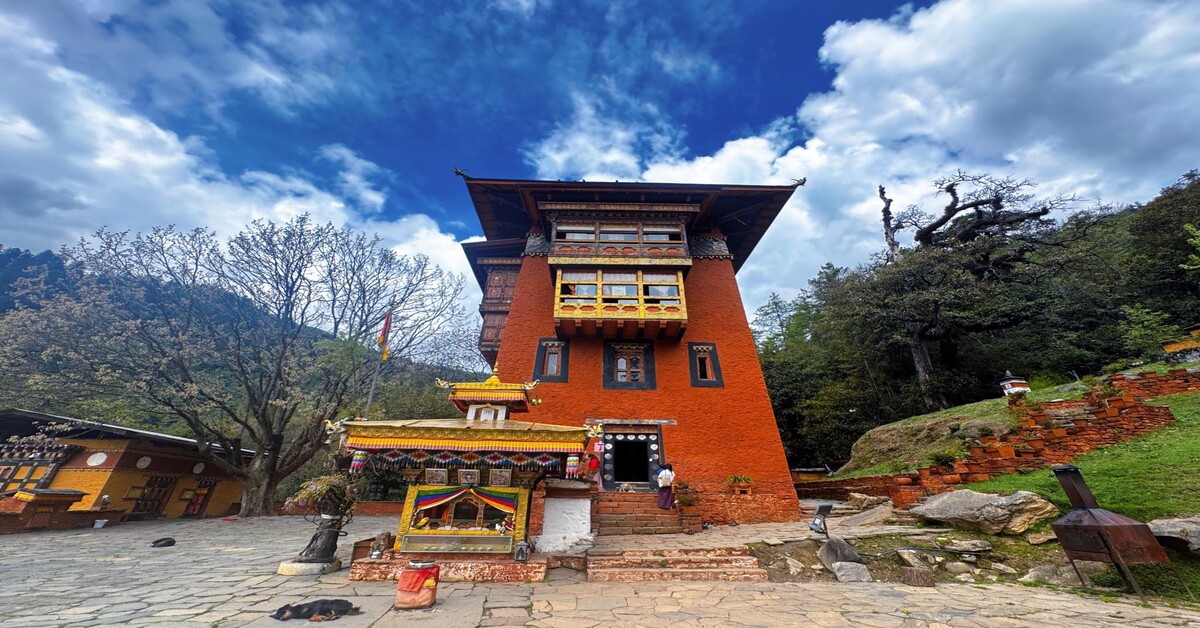
Dechenphu Lhakhang, or Dechenphu Geynyen Neykhang, is the abode of Geynyen Jagpa Melen, the powerful deity of Bhutan, founded by Dampa in the 12th century.
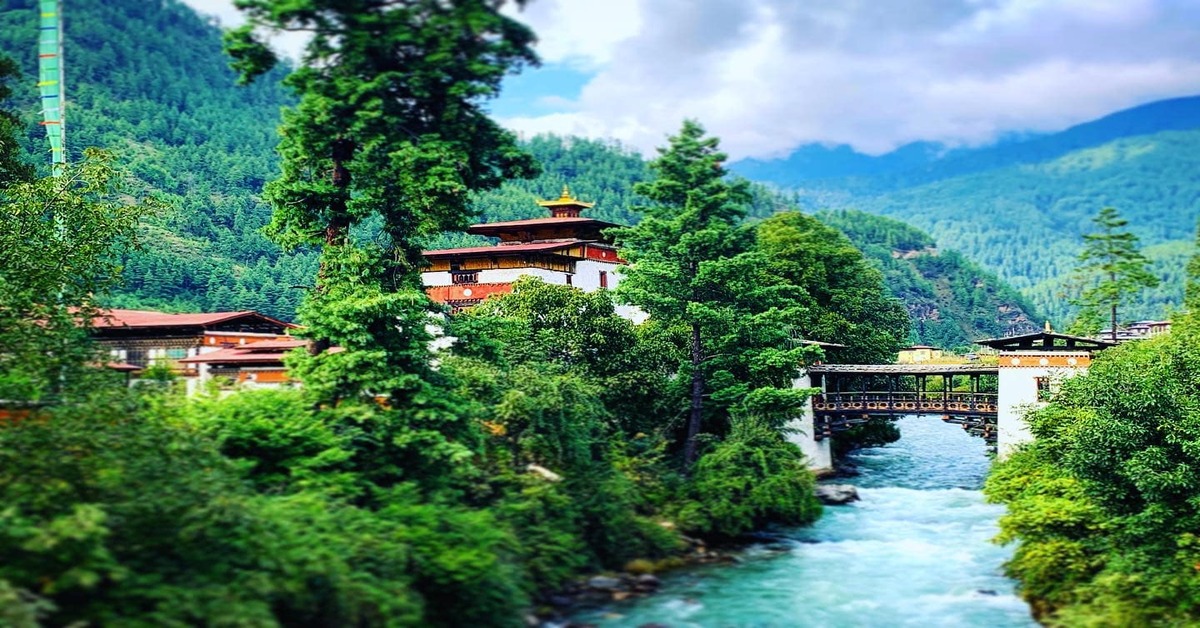
Pangri Zampa Monastery, a College of Astrology, is a temple founded by Ngawang Chogyal in the 16th century, which later became the home of Zhabdrung Rinpoche
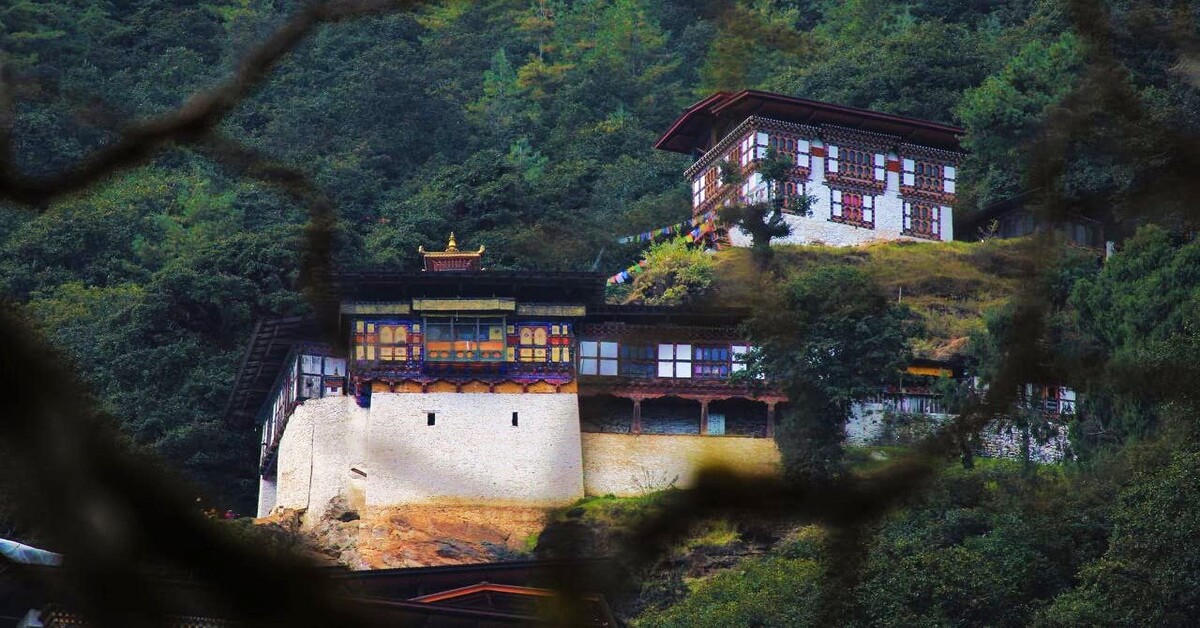
Cheri Monastery, also called Chagri Dorjeden Monastery, is the first monastery in Bhutan founded by Zhabdrung Ngawang Namgyal in 1620 on the face of Iron Hill.
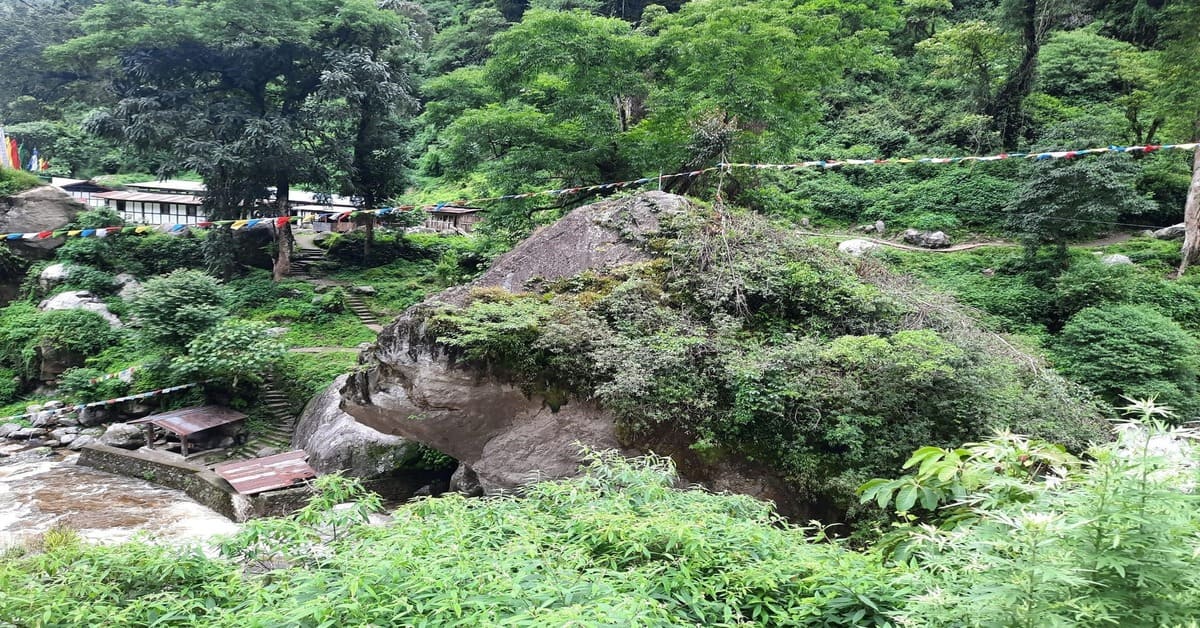
Koma Tshachu is a hot spring blessed by Guru Rinpoche in Punakha located at an altitude of 1839 meters famous for healing broken bones and joints.
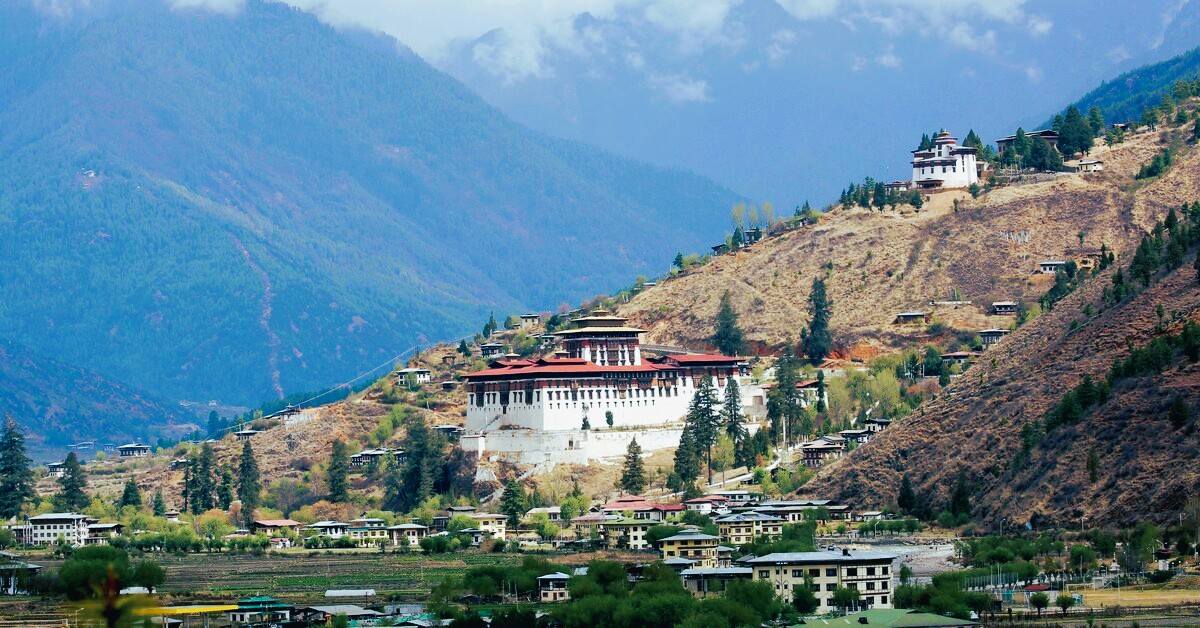
Paro Rinpung Dzong, also known as Paro Dzong, is a huge fortress built by Zhabdrung Ngawang Namgyal for defense against the Tibetan invasions in 1646.