Skip to content

sacred site

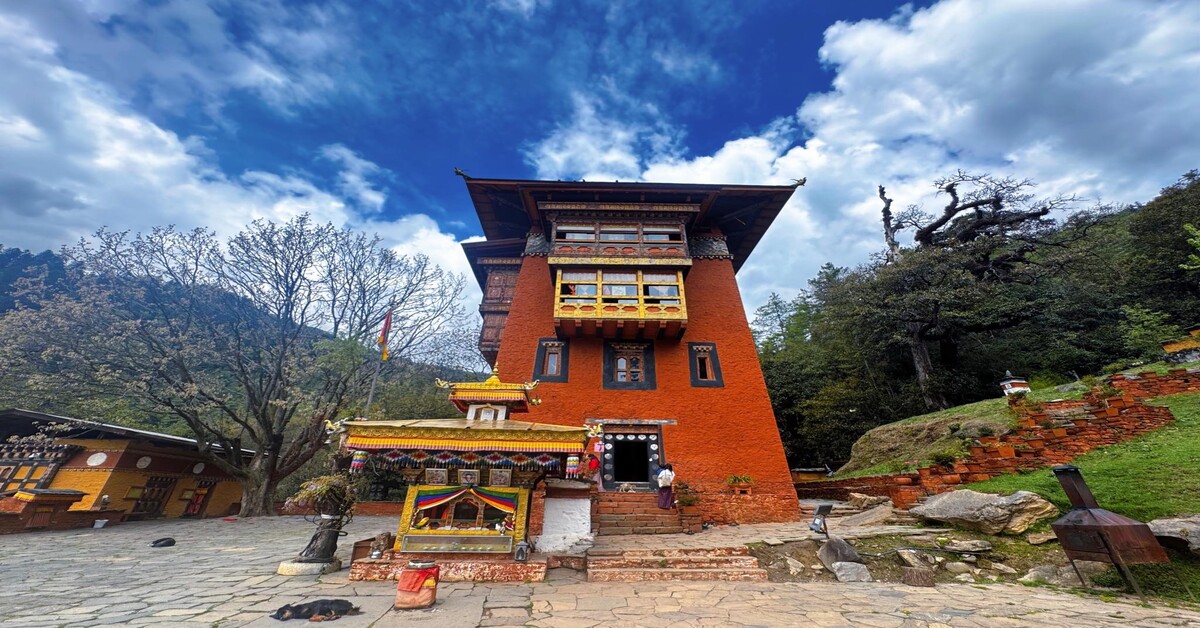
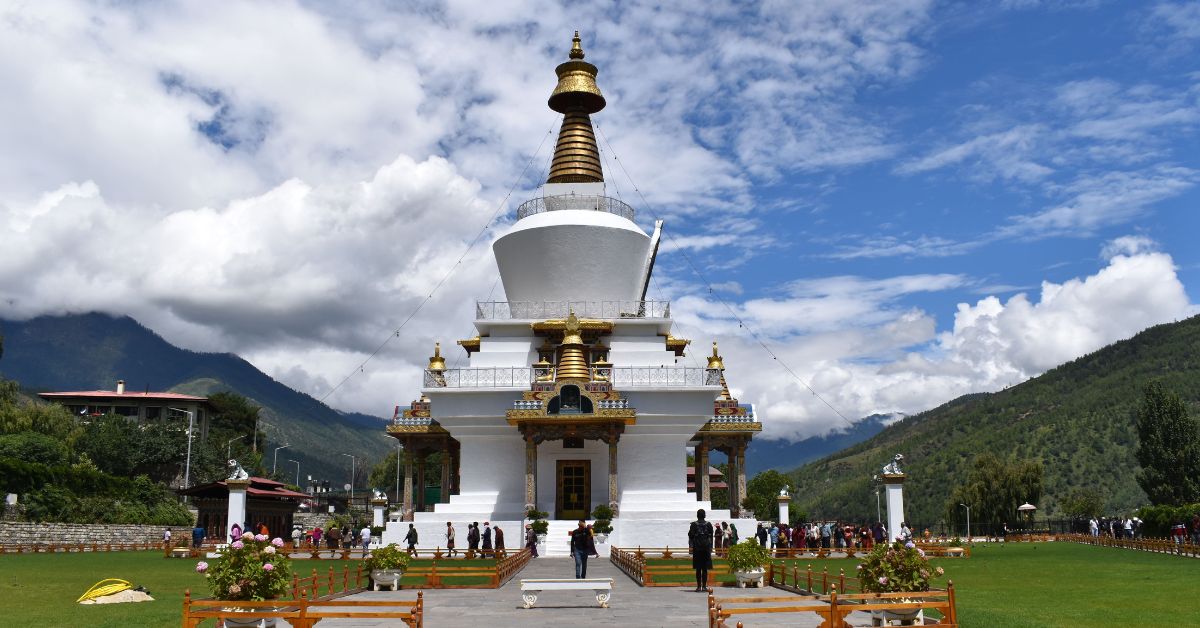
National Memorial Chorten, prominent Buddhist stupa and place of daily worship in Thimphu, Bhutan

National Memorial Chorten, the Stupa representing Buddha’s Mind

The National Memorial Chorten, also known as the Memorial Chorten or Thimphu Choeten, is one of the capital’s best-known Buddhist landmarks. Commissioned by Queen Mother Ashi Phuntsho Choden Wangchuck in memory of her son, the Third Druk Gyalpo His Majesty Jigme Dorji Wangchuck, the chorten was completed and consecrated in 1974. It fulfils the late King’s wish to build a stupa representing the mind of the Buddha.
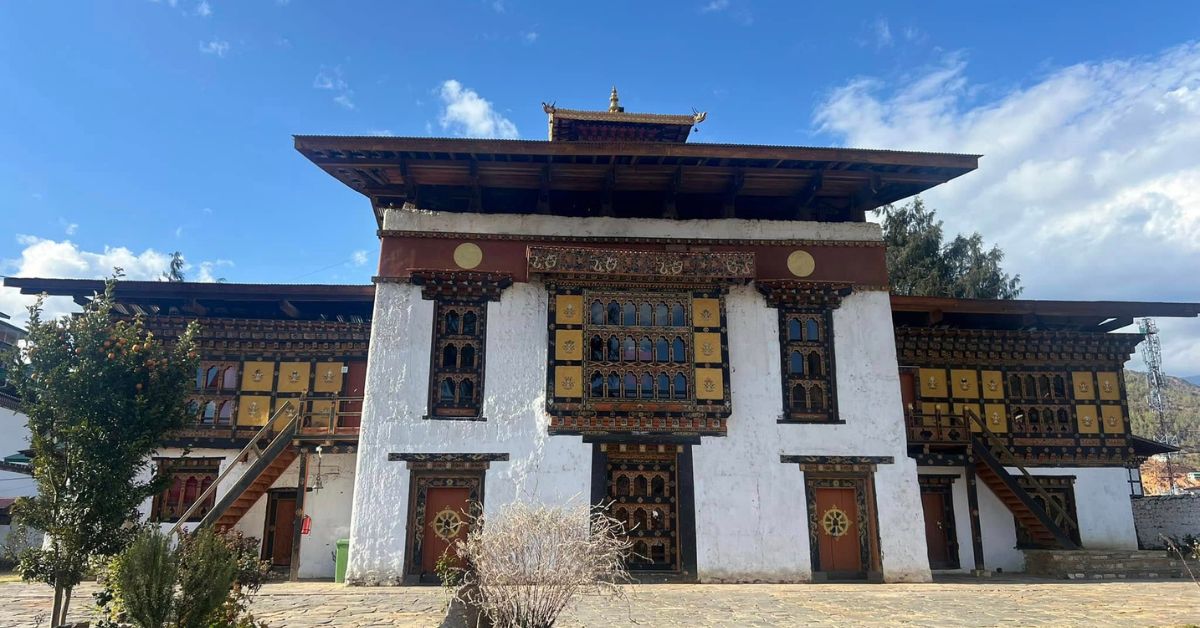
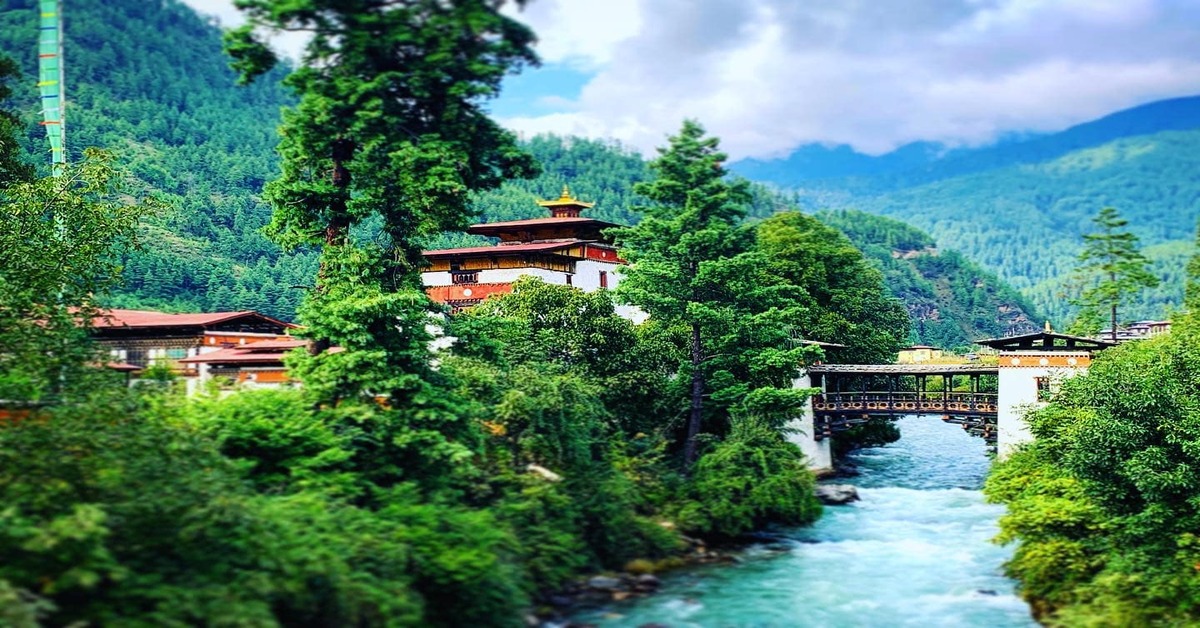
Druk Choeding Lhakhang, historic Buddhist temple in the centre of Paro town, Bhutan

Druk Choeding Lhakhang, the first Residence of Zhabdrung Rinpoche in Paro

Druk Choeding Lhakhang, also known as Tshongdue Temple or Tshongdoe Naktshang, is a historic two-storey temple in the centre of Paro town. Founded by Drukchen Ngawang Chogyal in the 16th century, it is closely associated with Zhabdrung Ngawang Namgyal, who used the temple as a temporary residence after arriving in Bhutan in 1616. Its main relic is Jowo Jampa, the Future Buddha, and the temple is also known for its murals, sacred images and collection of old weapons.

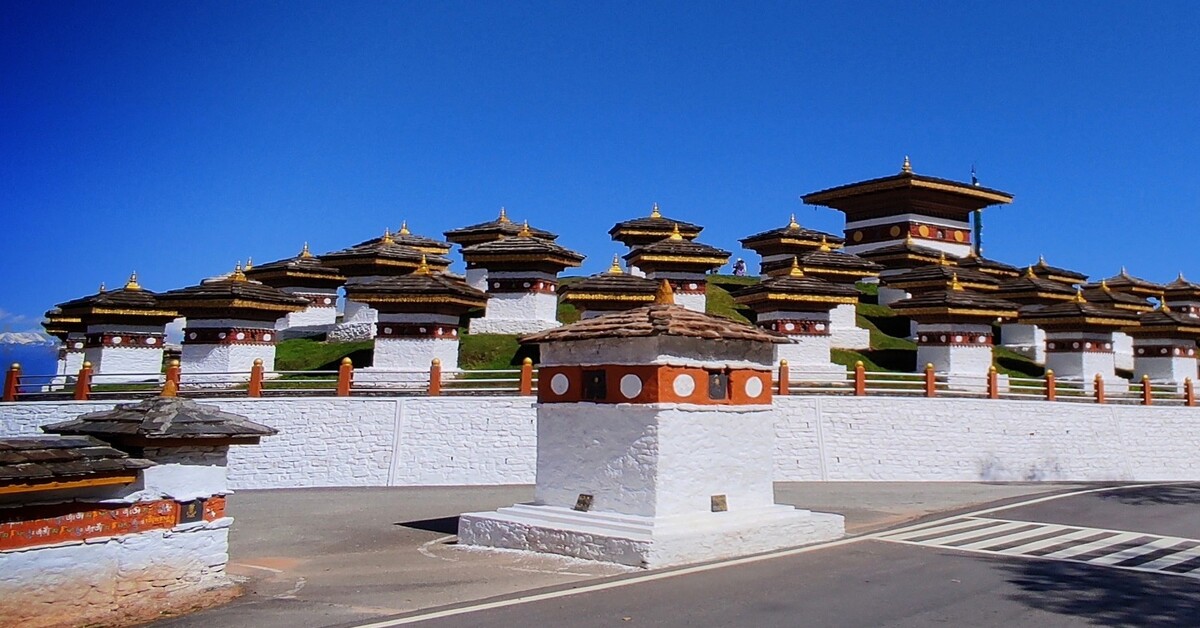
108 Druk Wangyal Chortens at Dochula Pass, Bhutan

Druk Wangyal Chortens, 108 Memorial Stupas at Dochula Pass

Druk Wangyal Chortens, also known as Druk Wangyal Khang Zang Chortens or Dochula Chortens, are 108 memorial stupas at Dochula Pass, on the road between Thimphu and Punakha. Commissioned by the eldest Queen Mother, Ashi Dorji Wangmo Wangchuck, they commemorate the Bhutanese soldiers who lost their lives during the December 2003 military operation, Operation All Clear, led by His Majesty the Fourth Druk Gyalpo, Jigme Singye Wangchuck. The chortens were completed and consecrated in June 2004.

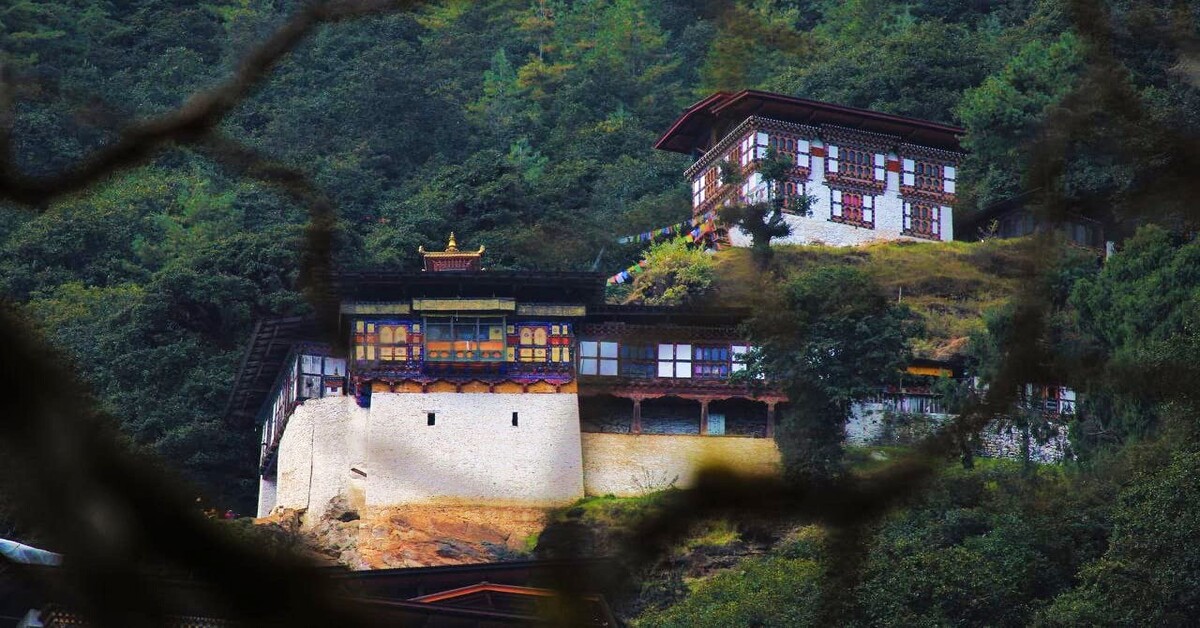
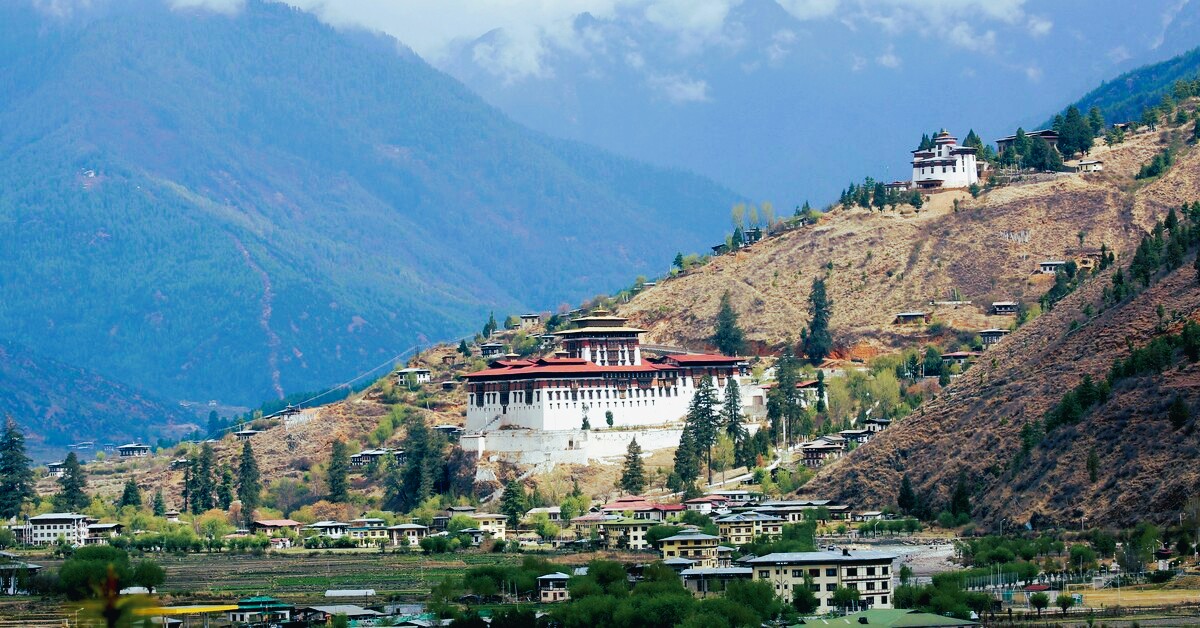
Pangri Zampa Monastery, historic Drukpa Kagyu temple and astrology centre in Thimphu, Bhutan

Pangri Zampa Monastery: Bhutan’s Historic Centre of Traditional Astrology

Pangri Zampa Monastery, also a College of Astrology, is one of the oldest monasteries in Bhutan, founded by Ngawang Chogyal in the 16th century. The monastery is located on the west bank of the Thimphu River, north of Thimphu city.

The monastery was named Druk Phodrang, meaning the “Castle of the Dragon.” However, when Zhabdrung Rinpoche took over, it was named Pangri Zampa Lhakhang, a Temple near the Bridge on an Abandoned Ridge.

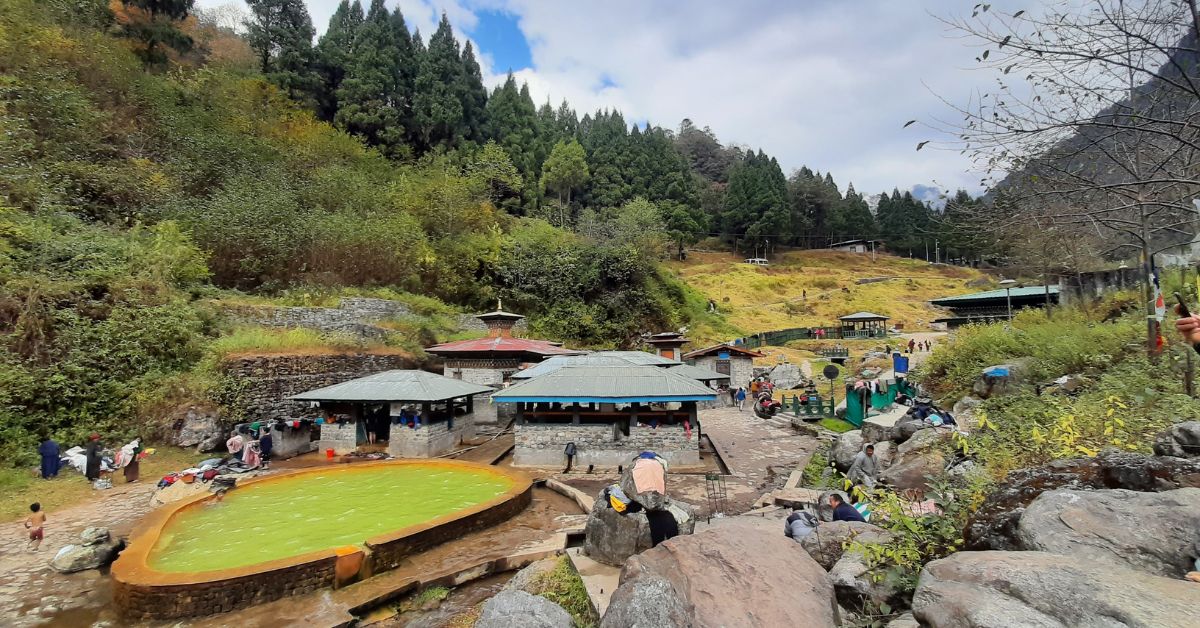
Gasa Tshachu, natural hot springs in Gasa District, Bhutan

Gasa Tshachu: History, Traditional Beliefs and Visitor Advisory

IMPORTANT VISITOR UPDATE — 24 NOVEMBER 2026: Gasa Tshachu was devastated by the Shintaphu Tsho glacial lake outburst flood on 29 October 2026. Almost the entire hot-spring complex and sections of its access infrastructure were washed away. A further lake breach and renewed damage to temporary bridges were reported on 6 November, after which the public was advised not to travel towards Laya until further notice. No verified reopening announcement has been located as of 24 November 2026. Do not plan a visit until Gasa Dzongkhag Administration confirms that the site and access route are safe and officially reopened.

Gasa Tshachu is one of Bhutan’s best-known hot springs, traditionally associated with the belief known as Neyrig Chusum and the healing powers of Drubthob Terkhungpa. These beliefs are an important part of the site’s religious and cultural significance, but they are not proof that bathing cures disease. This guide preserves the spring’s history, local traditions and former visitor information while clearly identifying what has changed after the 2026 flood.

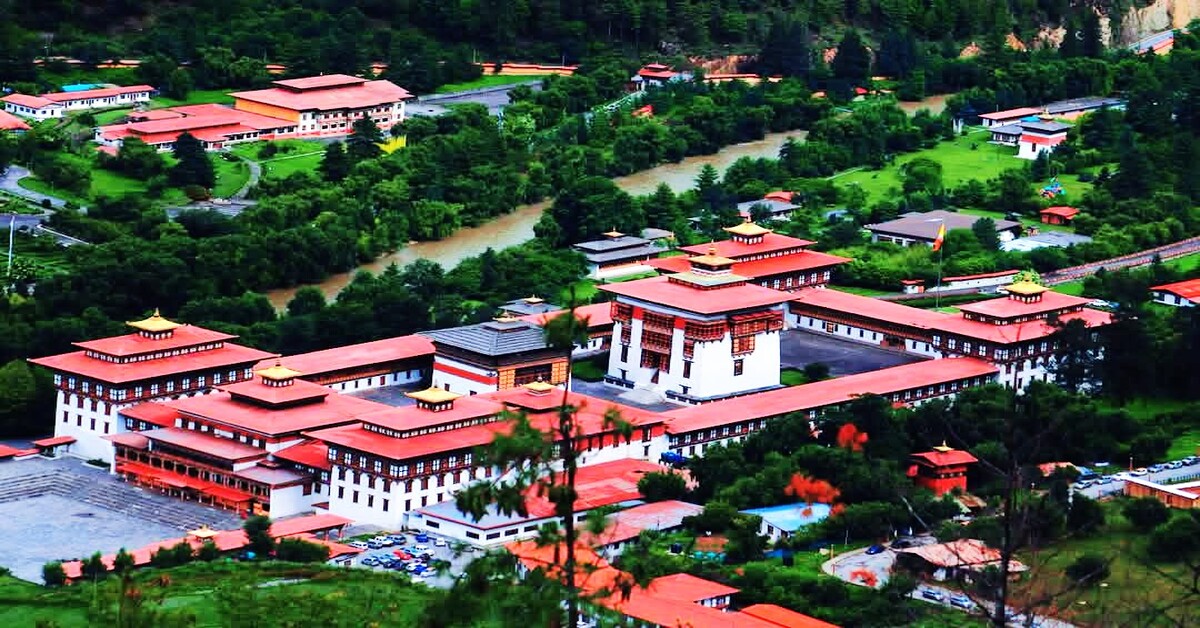
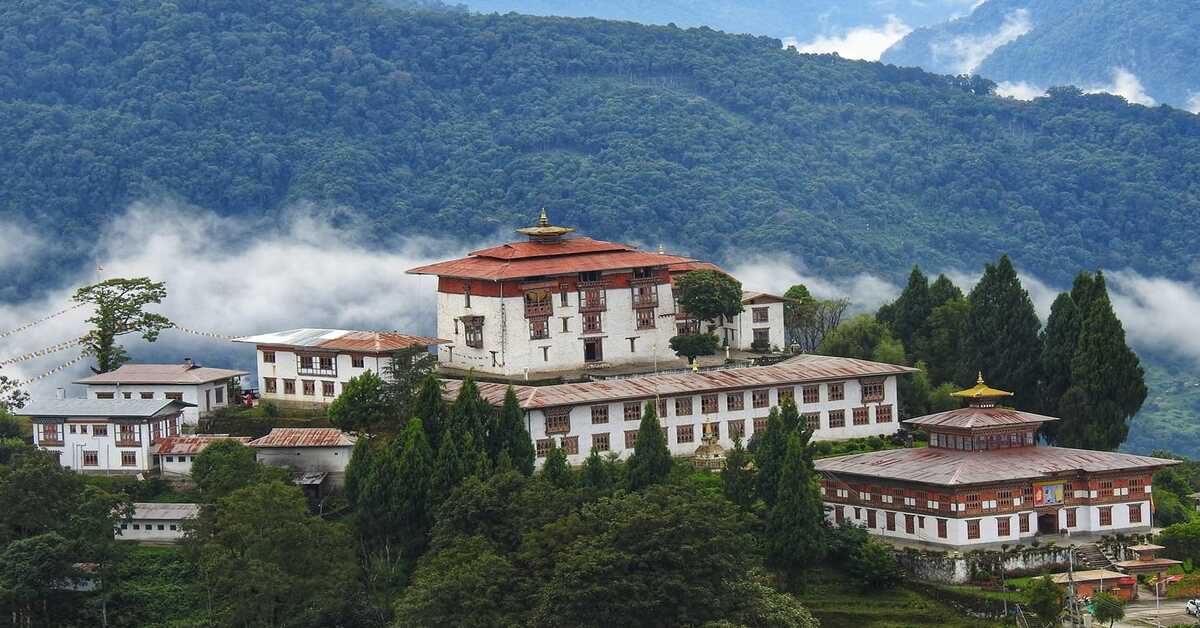
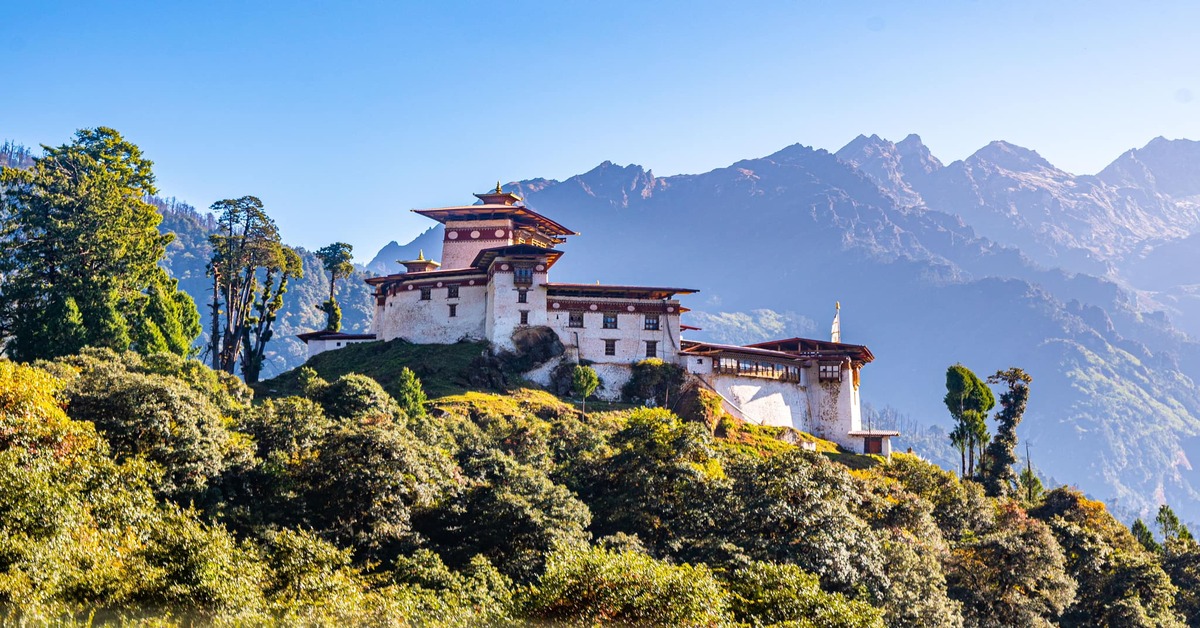
Gasa Tashi Tongmon Dzong, historic fortress in Gasa District, Bhutan

Gasa Dzong, the Fortress that Defended Against Northern Invasions

Gasa Dzong, also known as Gasa Tashi Thongmon Dzong, is a historic fortress in northern Bhutan, built in 1646 by Tenzin Drukdra, the second Druk Desi, under the command of Zhabdrung Ngawang Namgyal. Standing at about 2,800 metres above sea level, the dzong occupies a hilltop site associated with the meditation cave of Drubthob Terkhungpa and became an important stronghold guarding Bhutan’s northern approaches.