Skip to content

sacred site

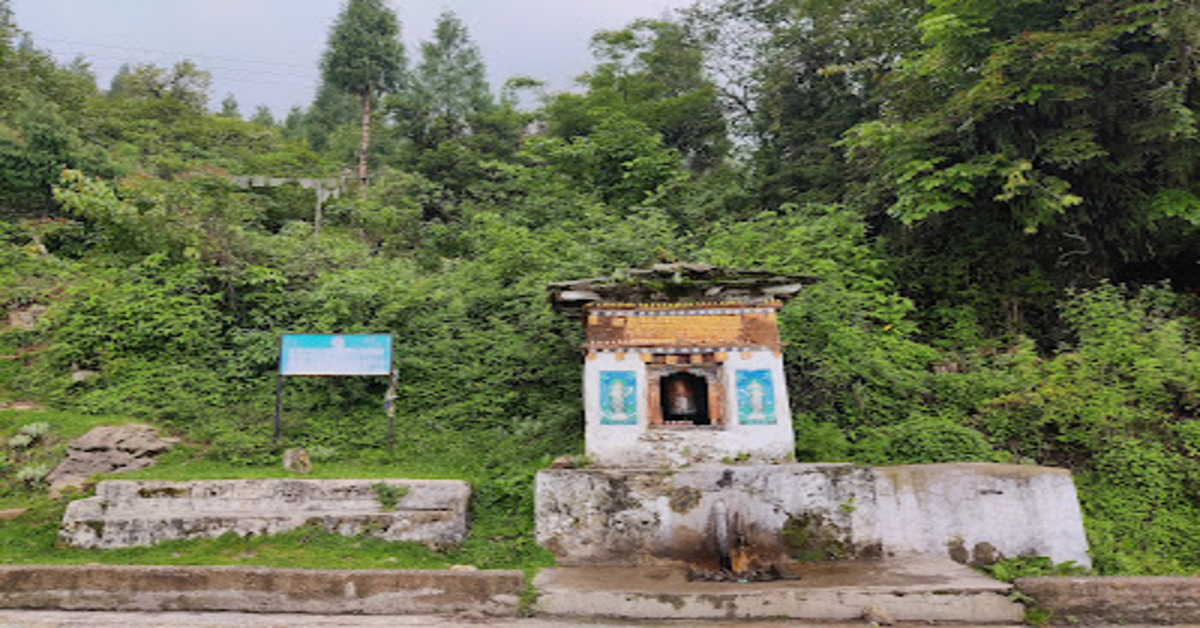
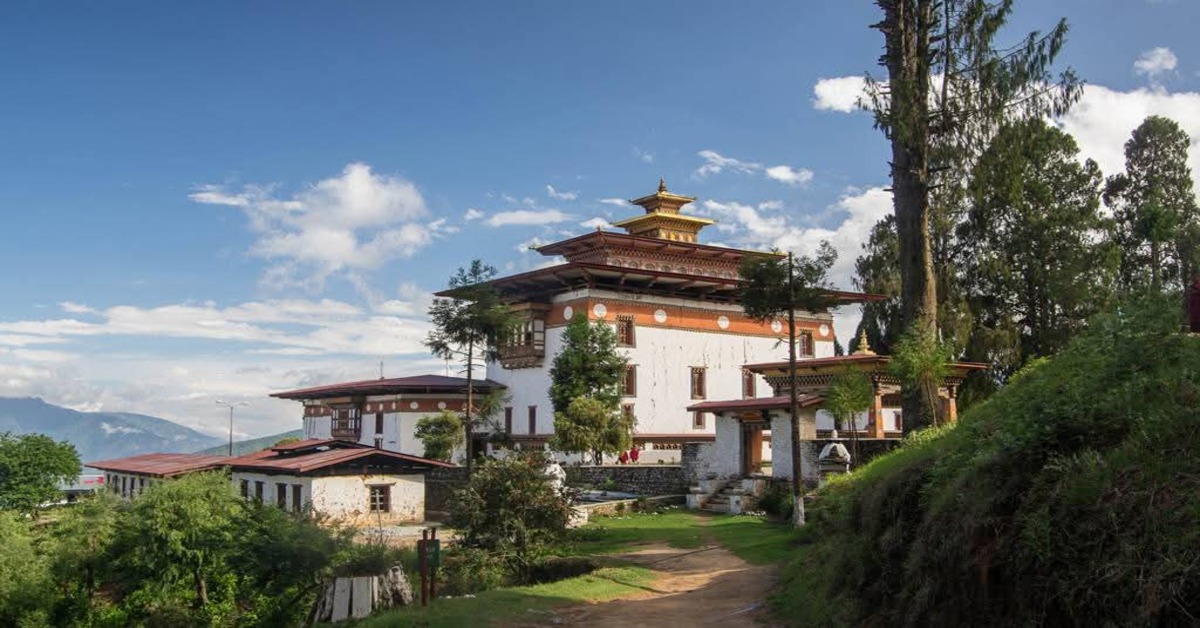
Talo Goenpa, Buddhist monastery in the hills above Punakha Valley, Bhutan

Talo Monastery, the Seat of Zhabdrung’s Successive Mind Incarnations

Talo Monastery, also known as Talo Sangngak Choling or Talo Goenpa, is a three-storey Drukpa Kagyu monastery on a ridge above Punakha Valley. The present monastery is commonly dated to 1767 and associated with Chogtul Gyalse Jigme Singye. It later became the principal seat of the successive mind incarnations of Zhabdrung Ngawang Namgyal. Known for its carefully maintained courtyards, sacred objects and annual Talo Tshechu, the monastery offers visitors a glimpse of an important chapter in Bhutan’s religious history.
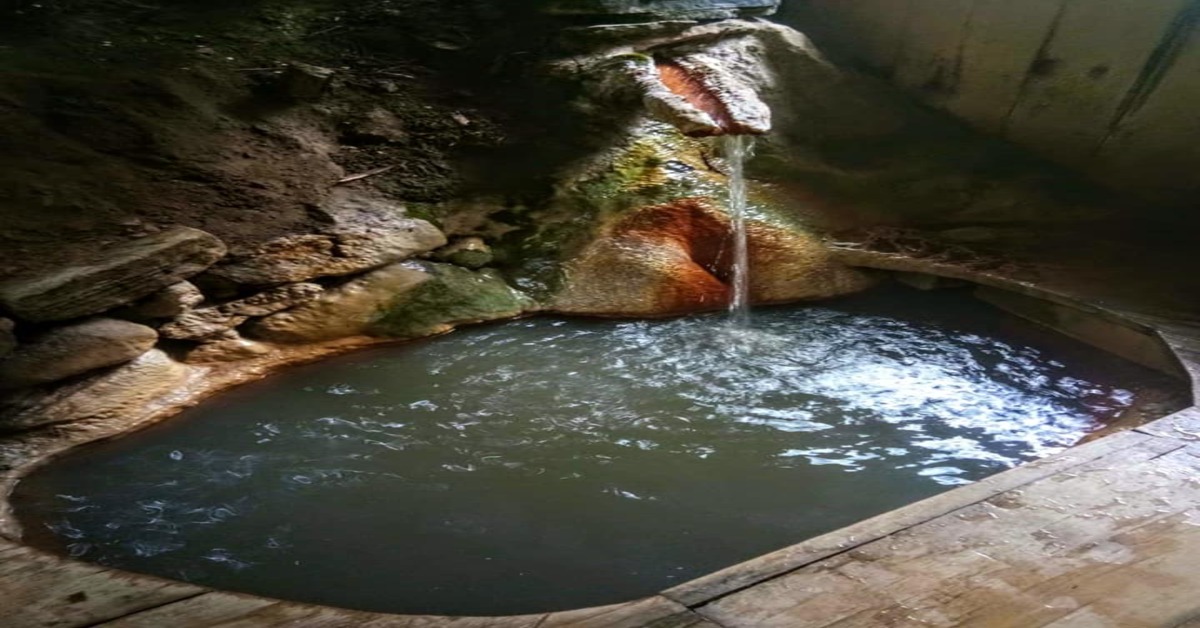
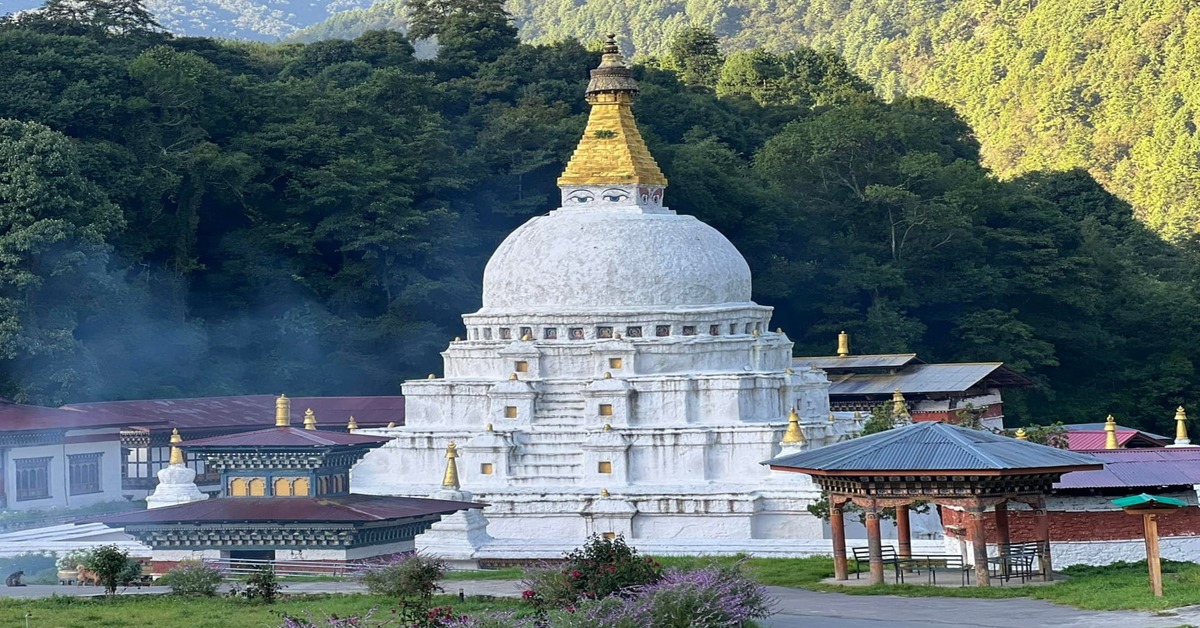
Dhur Tshachu, remote natural hot spring with bathing pools in Bumthang, Bhutan

Dhur Tshachu: Sacred Hot Springs and Trek Guide

Dhur Tshachu, also known as Dur Tshachu or Dur Hot Spring, is a remote group of natural hot springs in Wangchuck Centennial National Park, Bumthang Dzongkhag. Set at roughly 3,400 metres in a forested mountain valley, the springs are associated in Bhutanese Buddhist tradition with Guru Menlha, the Medicine Buddha. Reaching the pools requires a demanding high-altitude trek from the nearest roadhead.

Tharpaling Monastery, historic Nyingma Buddhist monastery above Chumey Valley in Bumthang, Bhutan

Tharpaling Monastery, Bumthang: History & Visitor Guide

Tharpaling Monastery, or Tharpaling Goemba, is a historic Buddhist monastic complex on a hillside above the Chumey Valley in Bumthang. The name Tharpaling means “Land of Liberation”. The site is closely associated with Kunkhyen Longchen Rabjam (Longchenpa), who established it as an important Nyingma centre in 1352, following an earlier foundation by the Drukpa Kagyu master Gyalwa Lorepa. Set at approximately 3,600 metres, the monastery is known for its meditation heritage, sacred temples, the Longchen Zhugthri and the distinctive Great Cannon. Local tradition also associates the site with Guru Rinpoche’s visit in the 8th century.

To explore other sacred places in Bumthang and across the country, continue to our Bhutan Pilgrimage Guide for regional pilgrimage ideas and practical planning advice.

Gelephu Tshachu hot spring in Sershong Gewog, Sarpang, southern Bhutan

Gelephu Tshachu: History, Traditional Beliefs and Visitor Guide

Gelephu Tshachu is a hot spring beside a river in the southern plains of Sershong Gewog, Sarpang Dzongkhag, at an elevation of approximately 332 metres. It was inaugurated by the Third King, Jigme Dorji Wangchuck, in 1962. The spring is valued for recreation and traditional wellness practices; claims about miraculous cures or glowing skin are not established medical effects.

Bjagay Menchu sacred spring in Paro, traditionally associated with bone-healing beliefs in Bhutan

Bjagay Menchu, Paro: Traditional Spring and Visitor Guide

Bjagay Menchu, also known as Bjagoe Menchu, is a sacred spring in Jieu Dado, Lungnyi Gewog, Paro Dzongkhag, at approximately 2,110 metres above sea level. It is associated with Lama Drukpa Kunley and with local traditions concerning the care of bones and joints. These are cultural and traditional healing beliefs, not clinically established treatment effects.

Chimi Lhakhang, the temple associated with Drukpa Kunley in Sopsokha, Punakha, Bhutan

Chimi Lhakhang, the Fertility Temple of Divine Madman

Chimi Lhakhang is a fertility temple associated with Drukpa Kunley, the Divine Madman, perched on a rounded hillock said to resemble a woman’s breast in Lobesa village, Barp Gewog, Punakha Dzongkhag, at an altitude of about 1,300 metres. Lam Ngawang Choegyal built the temple in 1499, beside the site where Drukpa Kunley is traditionally said to have subdued a demoness of Dochu La with his “flaming thunderbolt of wisdom”. The temple’s name is commonly explained through the local expression Chi-med, meaning “no dog”, and the story of the demoness who took the form of a dog.

Tsheringma Drupchhu, sacred spring in Trongsa, Bhutan

Tsheringma Drupchhu: Sacred Spring, Oral History and Local Beliefs

Tsheringma Drupchhu is a sacred spring associated with the goddess Tsheringma, located in Zalamchu near Tshangkha village in Tangsibji Gewog, Trongsa Dzongkhag. In local tradition, the water is linked with blessings for long life and a melodious voice. These associations are part of the community’s religious and oral heritage; they are not established medical or scientific effects. For a wider introduction to Bhutan’s sacred springs, see our guide to Drupchhu or holy spring waters in Bhutan.