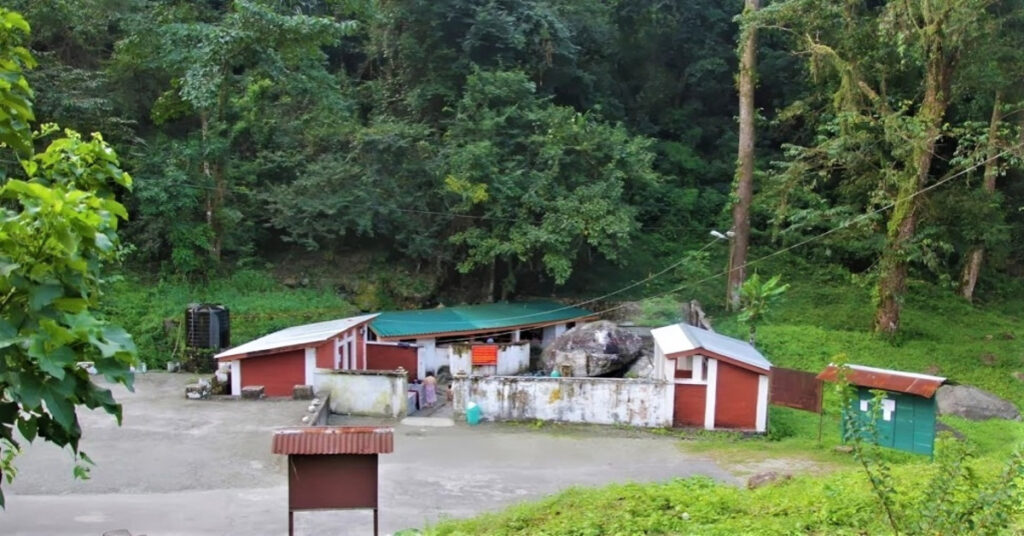
Gelephu Tshachu is a hot spring along the river stream in the warm southern plains of Gelephu under Sershong Gewog of Sarpang Dzongkhag at an altitude of 332 meters. Known for its miraculous healing power and properties, Gelephu Tshachu was inaugurated by the Third King Jigme Dorji Wangchuck in 1962.
The most popular hot springs in Bhutan are the Gelephu hot spring in Sarpang, the Chubu hot spring and Koma hot Spring in Punakha, the Duenmang hot spring in Zhemgang, the Khambalung Ney hot spring in Lhuntse, and the Gasa hot spring in Gasa.
Some people go to Tshachu for health reasons, others for recreational purposes. A dip in the hot, sparkling waters of Gelephu Tshachu will soon become part of the health and wellness sector of Gelephu Mindfulness City.
Also Read: Hot Springs in Bhutan: Bhutanese Beliefs and Benefits
How to Reach Gelephu Tshachu
Gelephu Tshachu is the only hot spring that does not require a hike amongst all the Tshachus in Bhutan. It is located just below the road, around 15 kilometers uphill from Gelephu Town towards Trongsa, and takes about 45 minutes.
Also Read: How to Reach Koma Tshachu
The Origin of Gelephu Tshachu
Bhutan is known for its natural hot springs. Tshachus are found throughout Bhutan and play a significant role in Bhutanese wellness because of their healing qualities and spiritual significance. Though there is no written history about the origin of Gelephu Tshachu, the origin of hot springs in Bhutan is generally linked with the visit of Guru Rinpoche in 746 AD. Tshachus in Bhutan are also believed to be blessed by the Bodhisattvas.
Also Read: The Origin of Dhur Tshachu in Bumthang
Description of Gelephu Hot Spring
The Gelephu Tshachu consists of seven pools that look like wells for visitors to experience a hot and healing bath. All pools are confined under a single roof. The healing properties of all the pools are the same and are taken care of by Gelephu Dungkhag.
While Pool 1, with a temperature of 34 °C, is categorized as a tepid spring, Pool 2, with a temperature of 36.4 °C, and Pool 3, with a temperature of 38.1 °C, are categorized as warm springs. Pool 4, which is normal cool water, is categorized as a cold spring. Other pools are not studied.
The visitors have to take turns to soak in the hot spring, with separate timings of one and a half hours each, for both men and women, to ensure that everyone gets to soak in the hot spring.
A rejuvenating bath in these magical waters will result in a healthy body, strong mind and spirit, and beautiful and glowing skin.
There is also a Buddhist monastery here that the locals believe to be quite sacred. Serzhong Lhakhang, or Dongag Kuenzang Choeling Gonpa, is 8 km from the hot spring.
Also Read: Description of Chubu Tshachu
Menchu
Besides the hot spring, you can also try the ancient Bhutanese therapy known as Menchu, or the Hot Stone Bath. In this method, water is heated by immersing red-hot stones in the bath.
It is a popular curative method used throughout the country. The Menchú is known to combine the minerals of the stones with warm water and provide relief from joint pains, hypertension, stomach problems, and arthritis.
Also Read: Menchu or Medicinal Springs in Bhutan: Beliefs and Benefits
Therapeutic Values or Ethnopharmacological Benefits of Gelephu Tshachu
Gelephu Tshachu is believed to be beneficial for curing trauma, orthopedic disorders, anal fistula, dermatitis, constipation, hemorrhoids, wounds, and ulcers. The Tshachu is also valuable for people suffering from hypertension, tumors, conjunctivitis, dropsy, and chronic fever.
All the Ponds of Gelephu Tshachu are said to heal serous fluid that results from cold, swelling, or edema, gout, rheumatism, kidney disorders, and phlegm disorders. But Pond 4 is rarely used, as it is cold.
The hot spring is also known to cure arthritis and stomach pain. People say that the hot spring relieves their body aches, backaches, and joint pains. People have claimed that soaking in hot springs has healed their sinuses and also helped retain glowing skin. All you have to do is soak in the water for a long time.
Also Read: Therapeutic Values or Ethnopharmacological Benefits of Duenmang Tshachu
Accommodation at Gelephu Tshachu
People from all over the country come to soak in the Tshachu. Three guest houses can house about 40 people in Gelephu Tshachu. Those who get to the hot spring early get it. Most of them bring their own rations, stocks, and bedding to stay for about a week. You can set up your tent too.
Also Read: Accommodation at Gasa Tshachu
Best Time to Visit Gelephu Tshachu
Most of the locals visit Gelephu Tshachu at any time of the year. However, the best time to visit Gelephu Tshachu is during the winter season from November to February. But the Tshachu gets crowded, and long queues are seen as the hot spring wells are smaller. You can visit the major hot springs of Bhutan with the Bhutan Pilgrimage Package.
Places to Explore in Gelephu
Spiritual Sites in Gelephu Mindfulness City: The sacred Buddhist landmarks, including temples, stupas, meditation centers, and Vajrayana institutes, all of which were established with Royal Approval granted by His Majesty the King in GMC.
Royal Manas National Park: It is Bhutan’s oldest and biologically richest protected area, spanning 1,057 km² across Pemagatshel, Sarpang, and Zhemgang districts. Established in 1966, the park shelters rare species like the Royal Bengal tiger, golden langur, and one-horned rhinoceros. Entry is restricted to protect its unique biodiversity and cultural heritage.
Toorsa Reserve: Located near Gelephu in southern Bhutan, it is a wildlife sanctuary within the Royal Manas National Park eco-complex. It features diverse ecosystems, including subtropical forests, riverine habitats, and grasslands. The reserve supports rich biodiversity, including elephants, tigers, and numerous bird species, making it vital for conservation and eco-tourism. Gelephu serves as its gateway, offering access and amenities for visitors.
Phibsoo Wildlife Sanctuary: It is Bhutan’s smallest protected area at 269 km² and lies in western Sarpang and southeastern Dagana districts along the Indian border. It features unique sal forests and hosts diverse wildlife, including Bengal tigers, elephants, golden langurs, and spotted deer. It has no human residents and is connected to other parks via biological corridors, aiding regional ecological balance and conservation efforts.
Frequently Asked Questions
What is Gelephu Tshachu?
Gelephu Tshachu is a renowned natural hot spring located in the southern plains of Gelephu, Sarpang district, Bhutan, celebrated for its miraculous healing properties and therapeutic mineral-rich waters. Situated at an altitude of 332 meters along a river stream in Shershong Gewog, approximately 15 kilometers uphill from Gelephu town, the hot spring features seven ponds with varying temperatures ranging from 34°C to 38.1°C. Inaugurated by the Third King Jigme Dorji Wangchuck in 1962, it is a popular pilgrimage and wellness destination for Bhutanese and international visitors seeking relief from ailments such as arthritis, skin diseases, joint pain, and digestive disorders.
Who inaugurated Gelephu Tshachu and why is it sacred?
Gelephu Tshachu was officially inaugurated in 1962 by the Third King of Bhutan, Jigme Dorji Wangchuck, who recognized its healing potential and developed it as a public wellness site. Like many tshachus (hot springs) in Bhutan, it is considered a blessing from the Buddha, with waters imbued with spiritual and medicinal powers. Devotees visit not only for physical relief but also to purify negative karma and accumulate merit through ritual bathing and prayers, making it a sacred site for spiritual and physical rejuvenation.
What makes Gelephu Tshachu spiritually unique?
Gelephu Tshachu is the only major hot spring located in Bhutan’s southern subtropical belt, offering a unique combination of healing waters and lush plains scenery. Its seven ponds are believed to cure a wide range of ailments, from trauma and orthopedic disorders to skin conditions and chronic fever, attracting pilgrims from across Bhutan, especially during the cool winter months. The site’s serene riverside setting and traditional bathing culture create a peaceful environment for spiritual reflection and holistic healing.
What are the medicinal benefits of Gelephu Tshachu?
The mineral-rich waters of Gelephu Tshachu are believed to alleviate a wide range of health issues, including arthritis, dermatitis, anal fistula, constipation, hemorrhoids, wounds, ulcers, hypertension, tumors, conjunctivitis, dropsy, chronic fever, gout, rheumatism, kidney disorders, and phlegm disorders. The springs are particularly sought after for relief from body aches, backaches, joint pains, and tropical skin conditions, with visitors reporting glowing skin and post-illness recovery after bathing.
How many ponds are there and what are their temperatures?
Gelephu Tshachu comprises seven ponds, with four main pools used for bathing. Pool 1 is a tepid spring at 34°C, Pool 2 is a warm spring at 36.4°C, and Pool 3 is a warm spring at 38.1°C. Pool 4 is a cold spring with normal cool water and is rarely used. Each pond is believed to target specific ailments, with visitors often consulting local guides or healers to select the most appropriate pool for their condition.
How do I reach Gelephu Tshachu?
Gelephu Tshachu is located approximately 15 kilometers north of Gelephu town, with the last 3.5 kilometers on a narrow side road uphill from the main highway. The drive from Gelephu takes about 45 minutes, and the site is accessible by private vehicle or organized tour. Most visitors reach Gelephu by road from Samdrup Jongkhar, Phuntsholing, or Gelephu airport (if operational), with accommodations available in town for overnight stays.
What should I bring for the visit and bathing?
Pack light, breathable clothing suitable for the subtropical climate, along with swimwear, towels, and personal toiletries for bathing. Bring water, snacks, and sun protection for the journey, as facilities are basic. Due to the rural location, carry any necessary medications and a first-aid kit. Comfortable walking shoes are recommended for the short walk from the parking area to the ponds.
Are there accommodations near Gelephu Tshachu?
A range of guesthouses, hotels, and government-approved lodges are available in Gelephu town, approximately 15 kilometers from the hot spring. For a more immersive experience, travelers can stay at the Tsachu Eco-camp, located 13 kilometers from Gelephu main town. During peak season (December to February), accommodations fill quickly, so early booking through a licensed tour operator is strongly recommended.