Skip to content

Bhutan pilgrimage

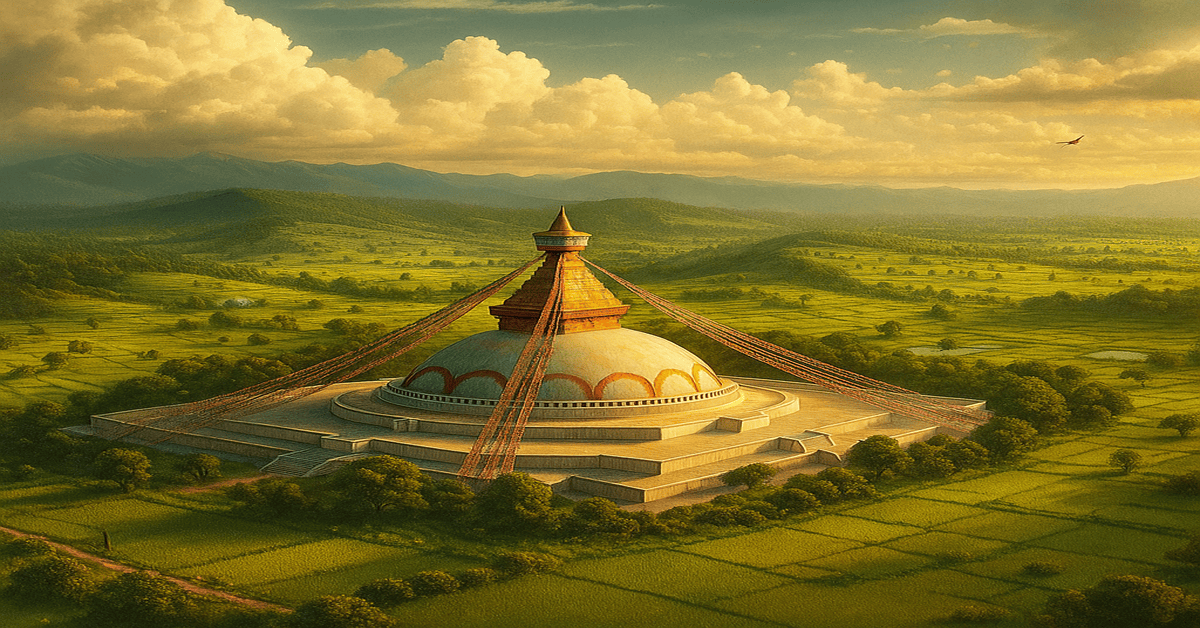
Planned Gelephu Chorten, a monumental Buddhist stupa inspired by Boudhanath in Gelephu Mindfulness City, Bhutan

Gelephu Chorten: 80-Metre Royal Stupa in Gelephu Mindfulness City

Gelephu Chorten, also known as Jarung Khashor Chorten, is a Royal Project in Gelephu Mindfulness City (GMC), Bhutan. Inspired by the revered Boudhanath Stupa in Kathmandu, Nepal, it is planned as a major Vajrayana Buddhist landmark in southern Bhutan. His Majesty The King commanded the project in 2023, and a major royal groundbreaking ceremony was held on 21 February 2026.
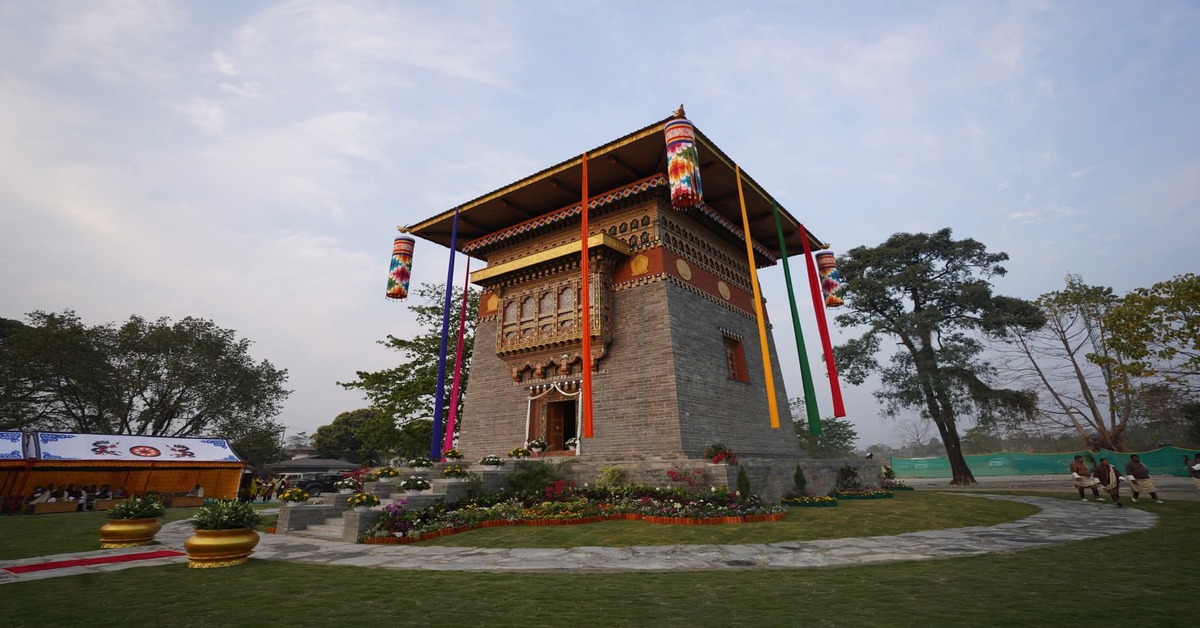
Ugyen Norlha Chorten, formerly Tabab Chorten, in Gelephu Mindfulness City, Bhutan

Ugyen Norlha Chorten, the Symbolic Gateway to Gelephu Mindfulness City

Ugyen Norlha Chorten, formerly known as Tabab Chorten, is a four-storey stupa-temple dedicated to Ugyen Norlha, the prosperity manifestation of Guru Rinpoche in Bhutanese Buddhist tradition. Standing 53 feet tall at Namkhailing beside the Gelephu border gate, it is one of the first completed spiritual landmarks of Gelephu Mindfulness City (GMC). The chorten was consecrated on 21 February 2026 and commemorates the birth of Her Royal Highness Gyalsem Sonam Yangden Wangchuck.

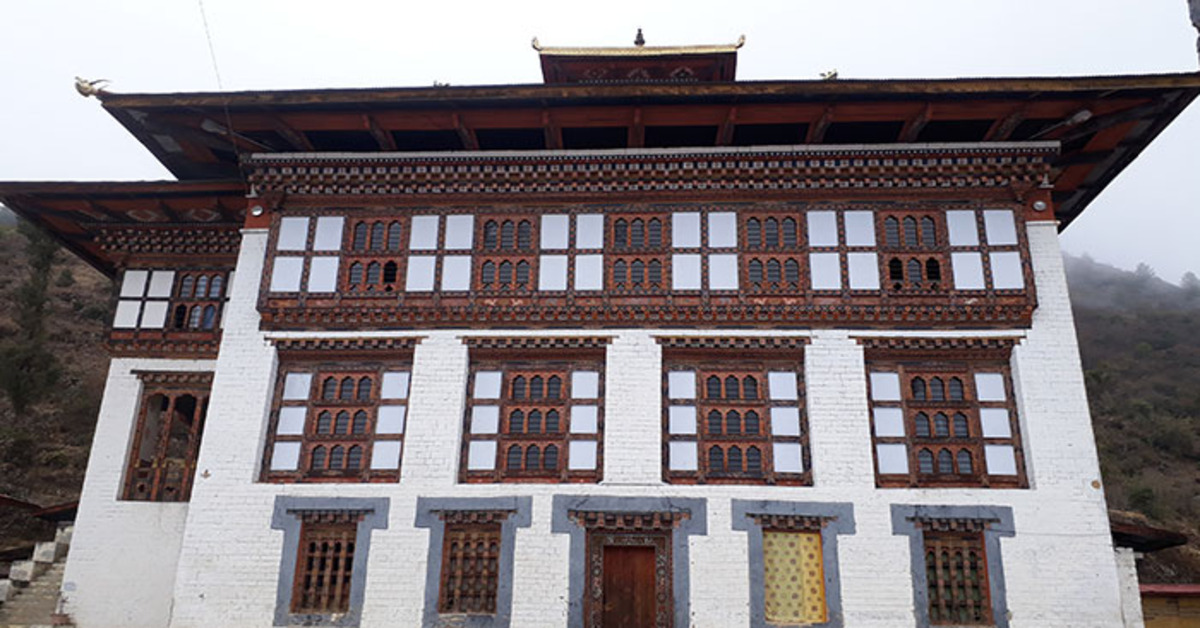
Rigsum Goenpa, historic monastery on a ridge above Bumdeling Valley in Trashiyangtse, Bhutan

Rigsum Goenpa, the Monastery of the Three Enlightened Lords

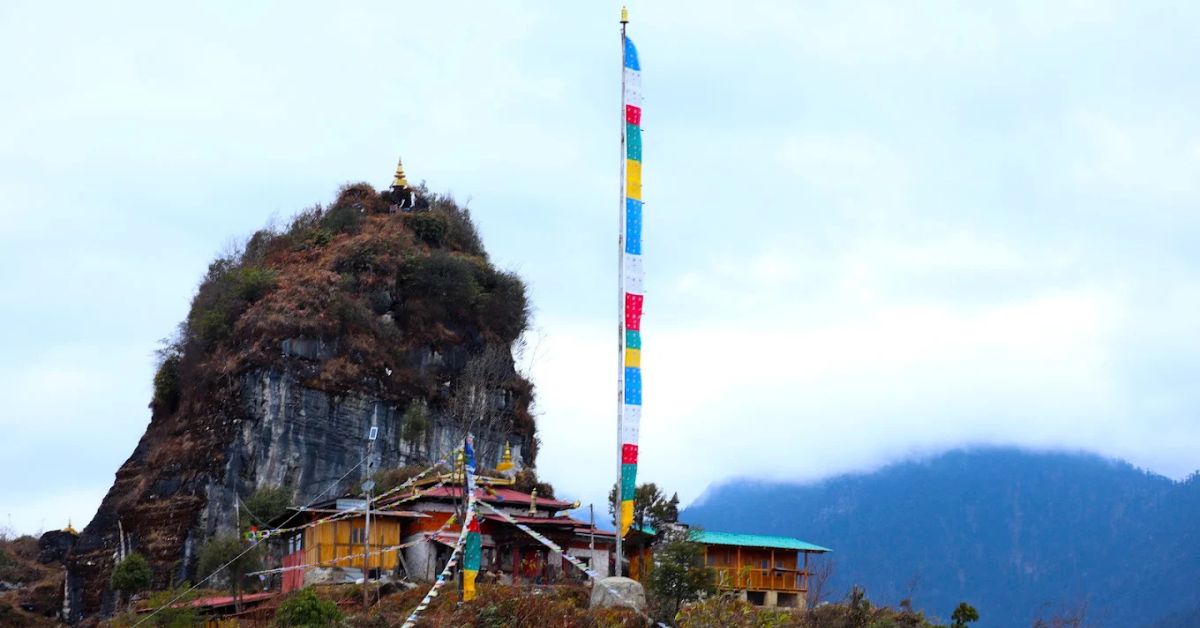
Rigsum Goenpa is a historic monastery on a ridge in Bumdeling Gewog, Trashiyangtse Dzongkhag, overlooking Bumdeling Valley and Trashiyangtse Dzong. Founded in the 18th century by Lama Tshering Gyamtsho, it is associated with the Three Protectors—Manjushri, Vajrapani and Avalokiteshvara—and is commonly listed at approximately 2,928 metres. The main temple was damaged in the 2013 earthquake, and its restoration programme continued into FY 2026–27.

Neychen Rinchen Bumpa sacred cliff and pilgrimage site in Kurtoe, Lhuentse, Bhutan

Rinchen Bumpa, the Jewel Vase of Guru Rinpoche

Rinchen Bumpa, also known as Neychen Rinchen Bumpa or Shedrup Chokhorling, is a revered Buddhist sacred site in the remote Kurtoe area of Dungkhar, Lhuentse Dzongkhag, eastern Bhutan. Bhutanese religious tradition associates the site with Guru Rinpoche, who is said to have meditated here for three months. The sacred landscape is known for its distinctive white cliff, meditation caves, sacred imprints and a stone slab on which religious letters are said to appear in the early sunlight.

Khamsum Yulley Namgyal Chorten, the four-storey Buddhist stupa above the Punakha Valley, Bhutan

Khamsum Yulley Namgyal Chorten, a Celestial Palace of Gods

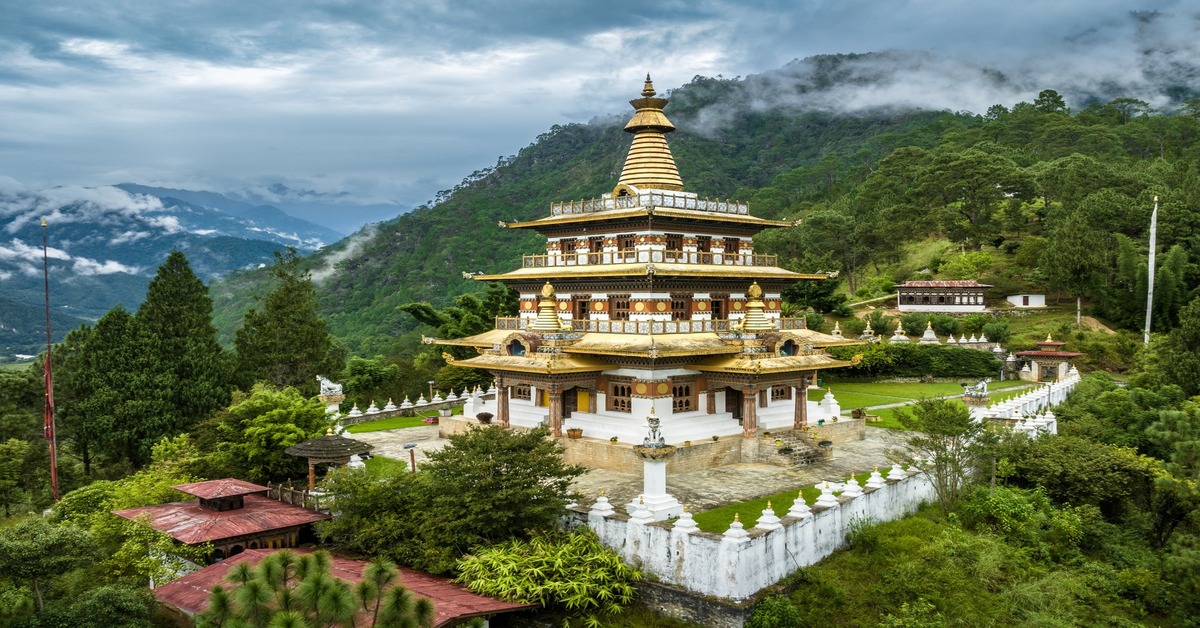
Khamsum Yulley Namgyal Chorten, also known as Nyizergang Chorten or Punakha Zangdopelri Chorten, is a four-storey chorten on a ridge above the Mo Chhu in Punakha. Commissioned by Her Majesty Ashi Tshering Yangdon Wangchuck and completed in 2004, it was built to promote peace and harmony and to ward off obstacles for Bhutan and all sentient beings. Its detailed mandala paintings, large Vajrakilaya statue and rooftop views make it one of Punakha’s distinctive pilgrimage and walking destinations.

Nabji Lhakhang Drup, traditional religious festival at Nabji Lhakhang in Trongsa, Bhutan

Nabji Lhakhang Drup Festival 2026

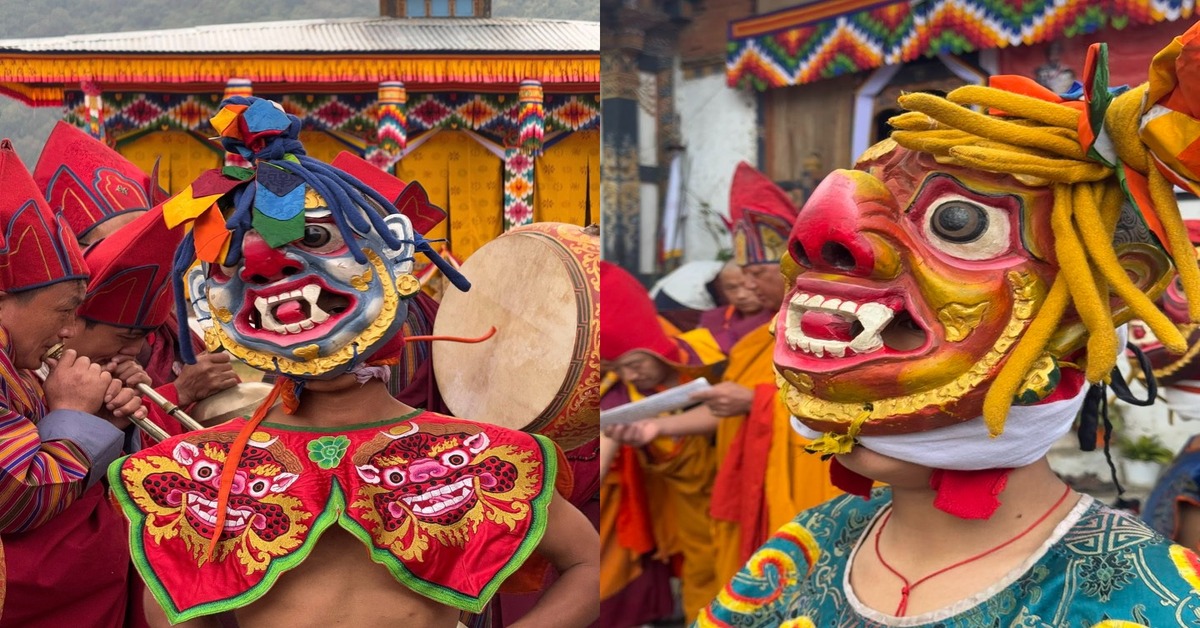
Nabji Lhakhang Drup, also known as Doling Drubchen, is an annual religious festival held at Nabji Lhakhang in Nabji village, Korphu Gewog, Trongsa. Dedicated to Guru Rinpoche, the observance brings together monks and the local community for prayers, rituals and sacred dances.

Nabji Lhakhang can also be considered as part of a wider journey through Bhutan’s sacred places. Explore our Bhutan Pilgrimage Guide for regional pilgrimage traditions and planning advice.

Lhuentse Dzong, the historic fortress-monastery in the Kurtoe region of eastern Bhutan

Lhuentse Dzong, the Fortress on the Precious Peak of Spontaneous Fulfillment

Lhuentse Dzong, also known as Lhendrup Rinchentse Dzong or Lhuentse Rinchentse Phodrang, is a historic fortress in northeastern Bhutan. It stands on a rocky ridge above the Kuri Chhu valley and serves as the administrative and religious centre of Lhuentse Dzongkhag. The present dzong was constructed in 1654 by Trongsa Penlop Chogyal Minjur Tempa—not by Zhabdrung Ngawang Namgyal himself—on a site associated with an earlier temple established in the sixteenth century.

Dechen Phodrang Ney sacred meditation cave and temple in Bumdeling, Trashiyangtse, Bhutan

Dechen Phodrang Ney, a Meditation Cave of Guru Rinpoche

Dechen Phodrang Ney is a sacred drupkhang (meditation cave) in the Woogmanang area of Bumdeling Gewog, Trashiyangtse, eastern Bhutan, at approximately 2,260 metres above sea level. The site is associated with Guru Rinpoche (Padmasambhava) and is revered for its rock-face temple, sacred imprints, meditation cave, spring and naturally formed religious symbols. Local religious accounts associate its rediscovery with the 15th-century master Lama Karma Jamyang Rabjor.

Tachog Lhakhang near Paro, Bhutan

Tachog Lhakhang, the Temple on the Hill of the Excellent Horse

Tachog Lhakhang, also known as Tamchog or Tachogang Lhakhang, is a historic temple beside the Paro Chhu in western Bhutan. The monastery is closely associated with Drupthob Thangtong Gyalpo (1385–1464), the revered master and engineer remembered for building iron-chain suspension bridges across the Himalayan region. The site is especially known for Tamchog Chakzam, the celebrated bridge that links the Paro–Thimphu highway with the temple on the opposite bank.

Druk Wangyel Tshechu mask dances at Dochula Pass in Thimphu, Bhutan

Druk Wangyel Tshechu Festival 2026

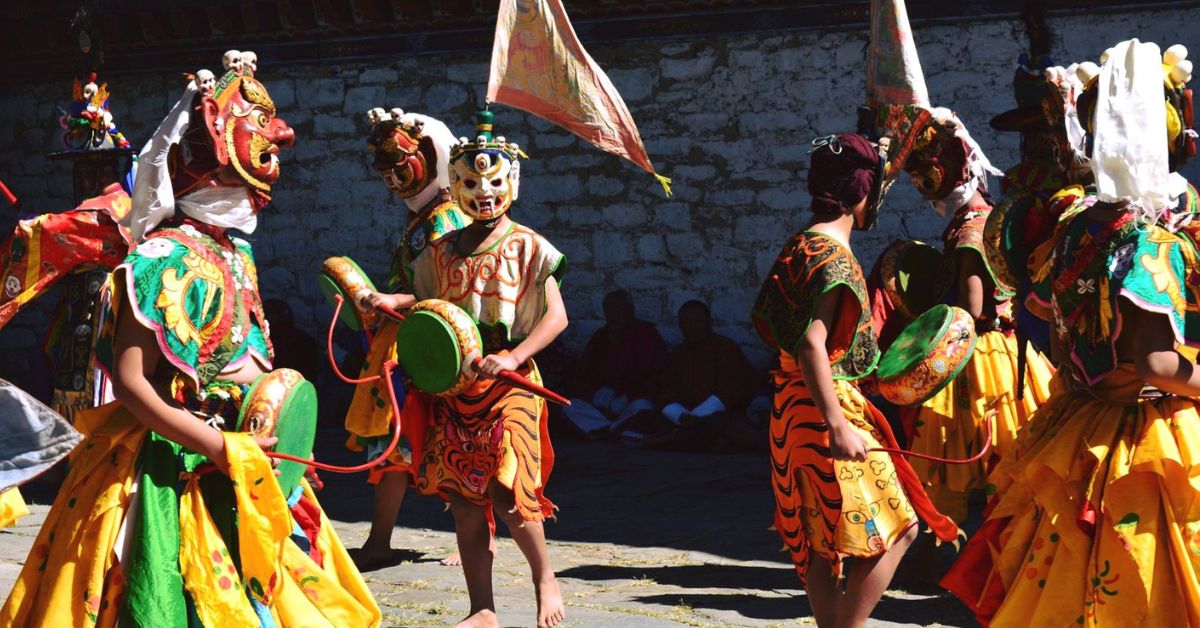
Druk Wangyel Tshechu, also known as the Dochula Tshechu, is a one-day annual festival held at the Druk Wangyel Tshechu Ground beside Druk Wangyel Lhakhang at Dochula Pass. Established in 2011, it honours His Majesty the Fourth Druk Gyalpo and the Royal Bhutan Army in connection with the 2003 Operation All Clear. Its distinctive feature is the performance of mask dances by members of the armed forces and other uniformed services.

Trongsa Dzong, the historic fortress in central Bhutan

Trongsa Dzong, the Fortress on the Tip of the Dharma Wheel

Trongsa Dzong, also known as Choetse Dzong, is one of Bhutan’s most important historic fortresses. It stands on a steep ridge above the Mangde Chhu valley in central Bhutan, overlooking a strategic route that historically connected the western and eastern regions. The site began as a small shrine established by the Drukpa lama Ngagi Wangchuk in 1543. Under the direction of Zhabdrung Ngawang Namgyal, Choegyel Mingyur Tenpa was instructed to expand the dzong in 1643; its major construction is commonly dated to 1644. Today it remains both a centre of district administration and an important monastic seat.