
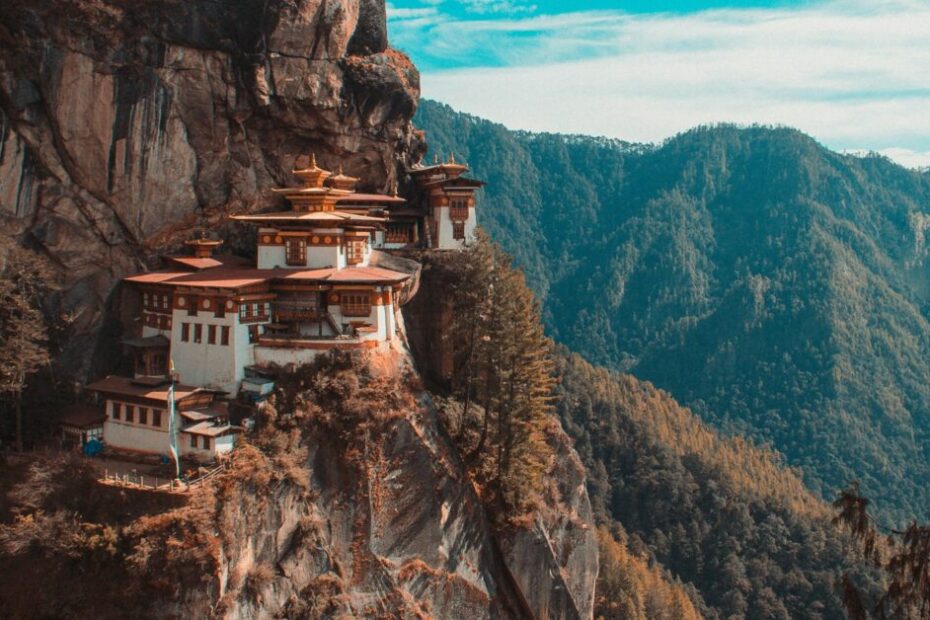
Bhutan Pilgrimage Guide: Sacred Sites, Buddhist Journeys and Religious Festivals
Explore Bhutan’s sacred sites, Buddhist pilgrimage traditions, regional ney journeys, religious festivals and practical advice for planning a meaningful pilgrimage.
Explore Bhutan’s sacred sites, Buddhist pilgrimage traditions, regional ney journeys, religious festivals and practical advice for planning a meaningful pilgrimage.

The Lotus-Born Trail, also written Lotus Born Trail and sometimes called the Padmasambhava Trail, is a developing pilgrimage and cultural heritage route in Bhutan. Planned to cover approximately 150–200 kilometres, it connects Gelephu Mindfulness City in southern Bhutan with Kurjey Lhakhang in Bumthang, passing through the landscapes and communities associated with Guru Rinpoche’s sacred journey. The route rises from subtropical lowlands towards the forests and high valleys of central Bhutan.
For an overview of the sacred landmarks at the southern gateway of this route, see our guide to spiritual sites in Gelephu Mindfulness City, including temples, chortens, monasteries and developing pilgrimage projects.
If you are exploring pilgrimage beyond this developing route, our Bhutan Pilgrimage Guide introduces sacred destinations and pilgrimage traditions across the country.
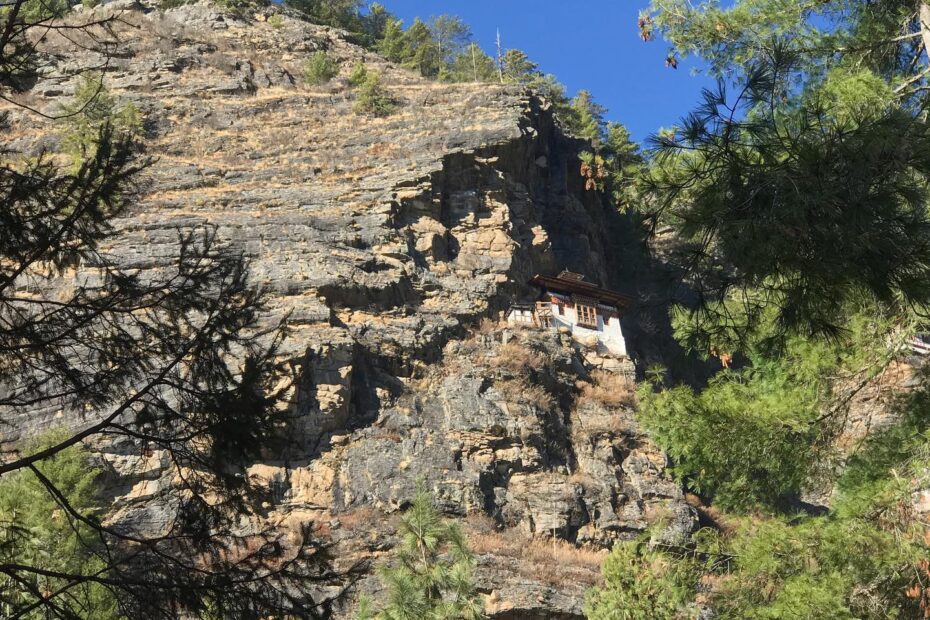
Jungney Dra Lhakhang, also known as Jungney Drak or Juneydrak, is a sacred cliffside hermitage in Katsho Gewog, Haa Dzongkhag, Bhutan, perched at approximately 2,900 metres above sea level. The site is associated with Guru Rinpoche and Machig Labdron, and local religious tradition regards it as an abode of 100,000 dakinis.
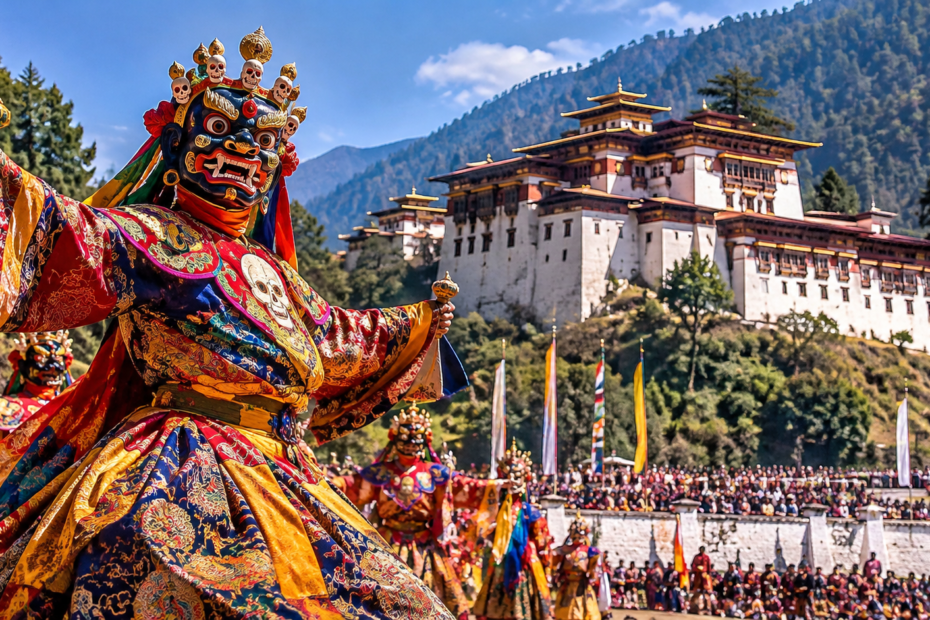
Trongsa Lhamoi Dromchhen, also known as Lhamoi Drubchen or Lhamoi Dromchen, is a sacred three-day annual Buddhist ritual festival held at Trongsa Dzong in central Bhutan. Dedicated to Pelden Lhamo (also written Palden Lhamo), the female Dharma protector, the observance brings together prayers, tantric rituals, and sacred masked dances. Its purpose is religious: to invoke protection, dispel obstacles, and pray for the well-being of Bhutan and its people.
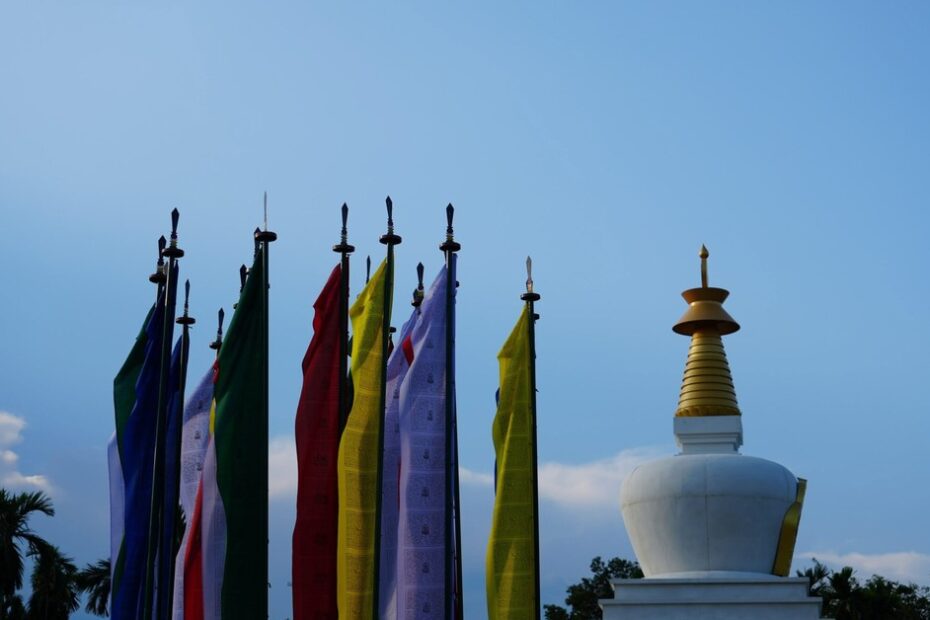
108 Stupas in Gelephu Mindfulness City, known as the 108 Jangchub Chortens, are among Bhutan’s most remarkable recent expressions of faith, unity and collective service. This guide to the 108 Stupas in Gelephu explains their Buddhist significance, the story behind Project 108 and what visitors should know before travelling. On 1 November 2026, an extraordinary national effort raised 108 sacred stupas, each 15 metres tall, along the Mau Chhu (also known as the Aie River) in southern Bhutan.
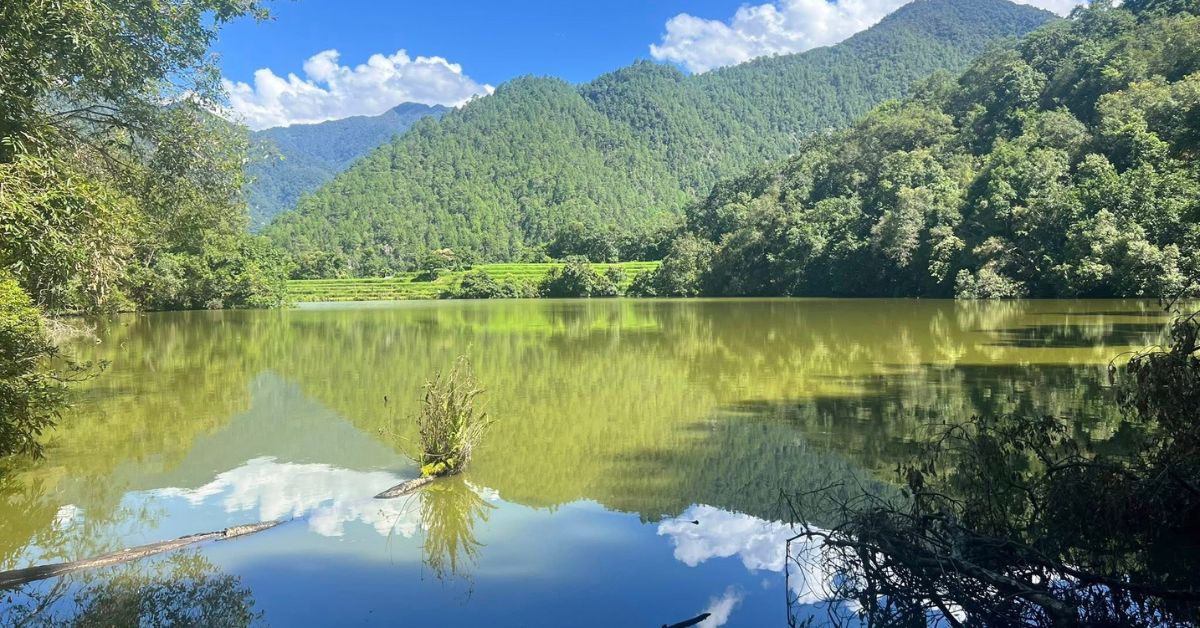
Athang Tsho, also known as Adha Tsho, is a sacred Tshomen lake believed by devotees to bestow blessings of wealth, beauty and loyalty. It lies above Lopokha village in Phagtakha Valley, on a plateau beside paddy fields, at an altitude of approximately 1,300 metres in Athang Gewog, Wangdue Phodrang Dzongkhag.

Thangbi Mewang Festival, also known as Thangbi Mani, is an annual Buddhist celebration at Thangbi Lhakhang in Choekhor, Bumthang. It is best known for the Mewang, or fire-blessing ceremony, when devotees traditionally leap across a ritual fire, alongside sacred mask dances, offerings and village gatherings.
To combine this festival with visits to other sacred places in Bhutan, see our Bhutan Pilgrimage Guide for regional destinations and journey-planning advice.
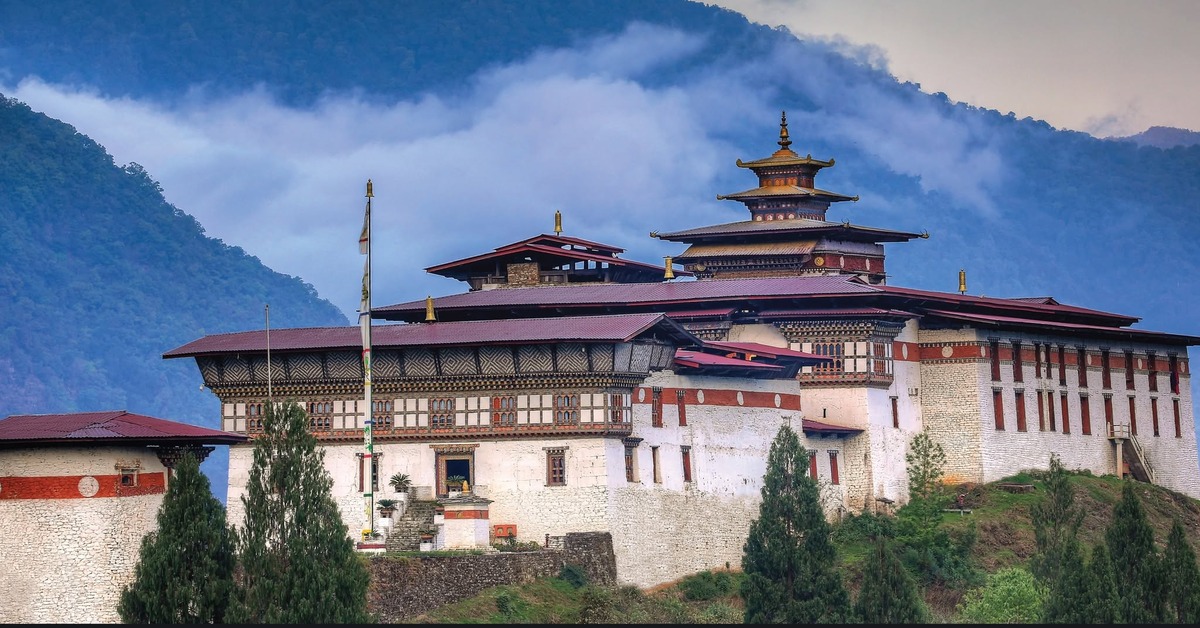
Dagana Dzong, also known as Daga Trashiyangtse Dzong or Lho Druk/Daga Trashiyangtse Dzong in historical references, is a historic fortress-monastery in southern Bhutan. It stands on a ridge overlooking the Dagana valley and is widely recognised as the last of the major dzongs built under the command of Zhabdrung Ngawang Namgyal. Construction was completed in 1651, and the dzong became an important centre for extending central authority into the south.
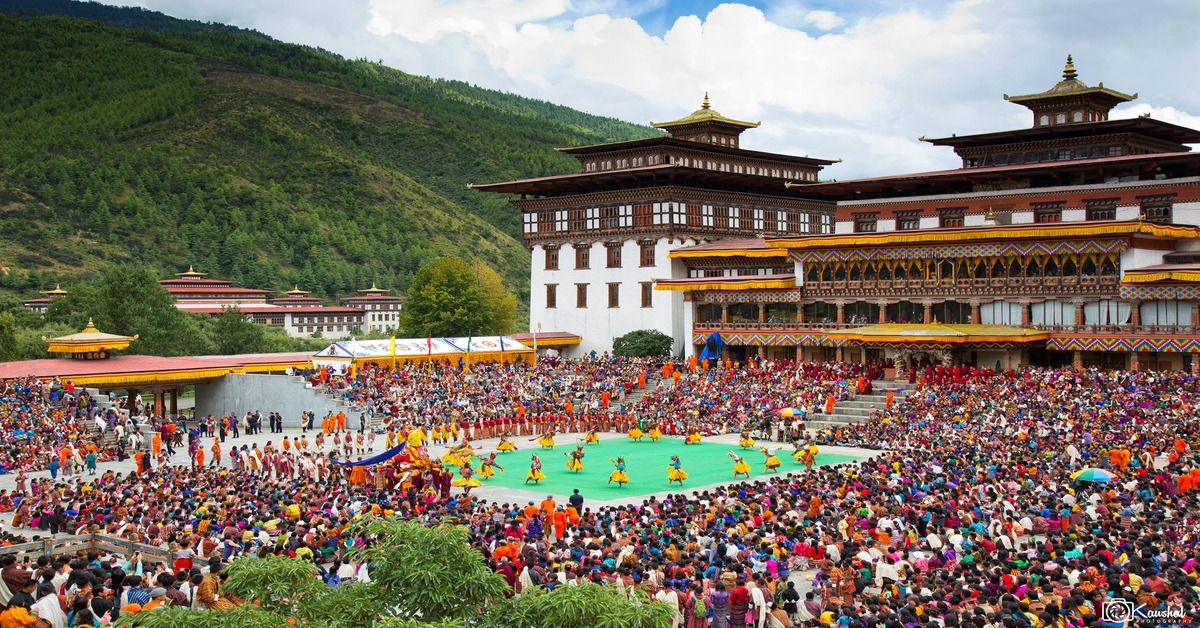
Thimphu Tshechu is an annual religious festival held from the 10th to the 12th day of the 8th month of the Bhutanese lunar calendar in Tendrel Thang, outside Tashichho Dzong. Gyalse Tenzin Rabgye initiated the festival in 1670 to honor Guru Rinpoche.
Visitors planning a wider spiritual journey can also use our Bhutan Pilgrimage Guide to explore sacred sites and practical pilgrimage advice across the country.
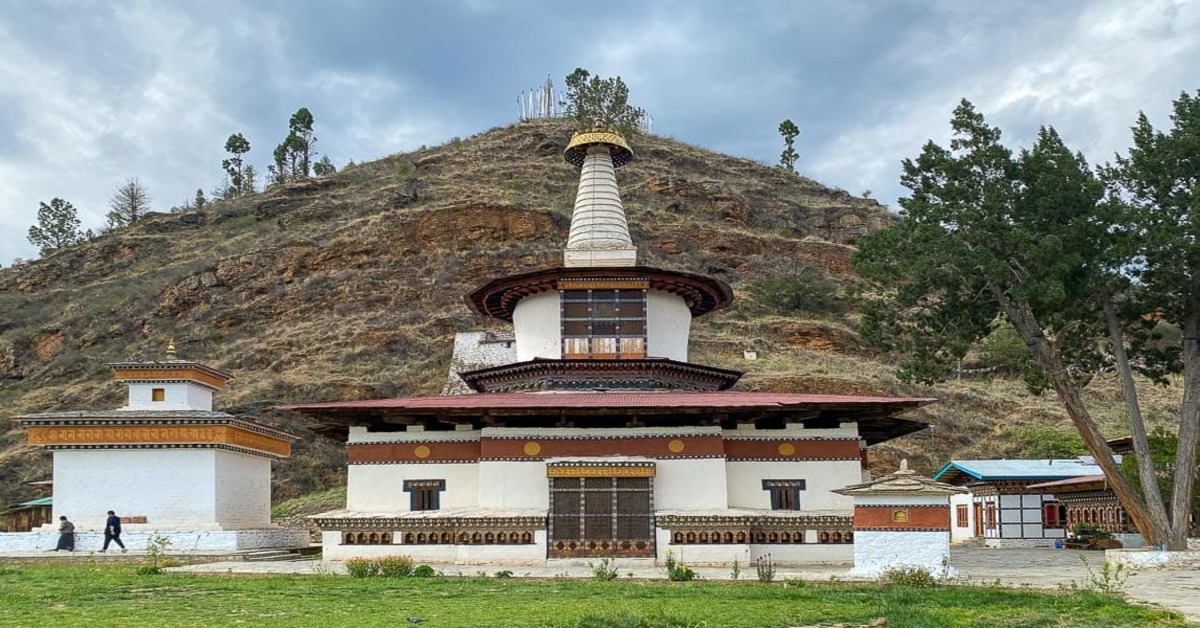
Jangtsa Dumtseg Lhakhang, also known as Dungtse Lhakhang or Dumgtseg Lhakhang, is a remarkable three-storey Buddhist temple built in the shape of a chorten (stupa) in Paro, Bhutan. Local tradition attributes its construction to the Tibetan master Thangtong Gyalpo, usually dated to 1421, although some sources give 1433. Set on a hill across the Pa Chhu River from Paro town, the temple is renowned for its unusual architecture, richly painted interior and stories of the spiritual power associated with its site.
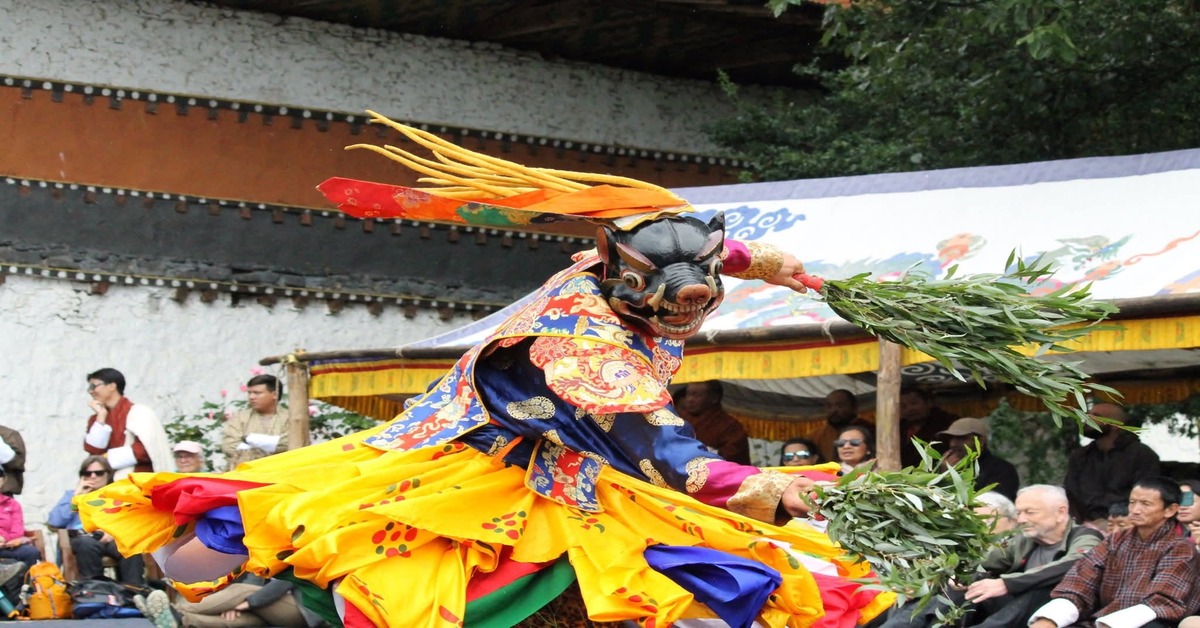
Tamzhing Phala Choepa (also written as Tamshing Phala Chhoepa in some festival calendars) is a distinctive annual religious festival held at Tamzhing Lhakhang in the Choekhor Valley of Bumthang, central Bhutan. Dedicated to the spiritual heritage of the great treasure revealer Terton Pema Lingpa, the festival is especially known for its rare boar dance, sacred mask dances and traditional blessings.
If you wish to combine this festival with visits to other sacred places, our Bhutan Pilgrimage Guide introduces pilgrimage destinations and traditions throughout Bhutan.

Thimphu Lhamoi Dromchoe, also known as Thimphu Drubchen or Lhamoi Dromchoe, is an annual sacred Buddhist observance dedicated to Pelden Lhamo (Palden Lhamo), Bhutan’s principal female Dharma protector. The public celebration takes place in the courtyard of Tashichho Dzong in Thimphu and is centred on prayers and the sacred Lhamoi Tshomi Kuncham mask dance.
