Skip to content

Bhutan pilgrimage

Nimalung Tshechu, annual religious festival at Nimalung Monastery in Bumthang, Bhutan

Nimalung Tshechu 2027: Dates, Rituals & Visitor Guide

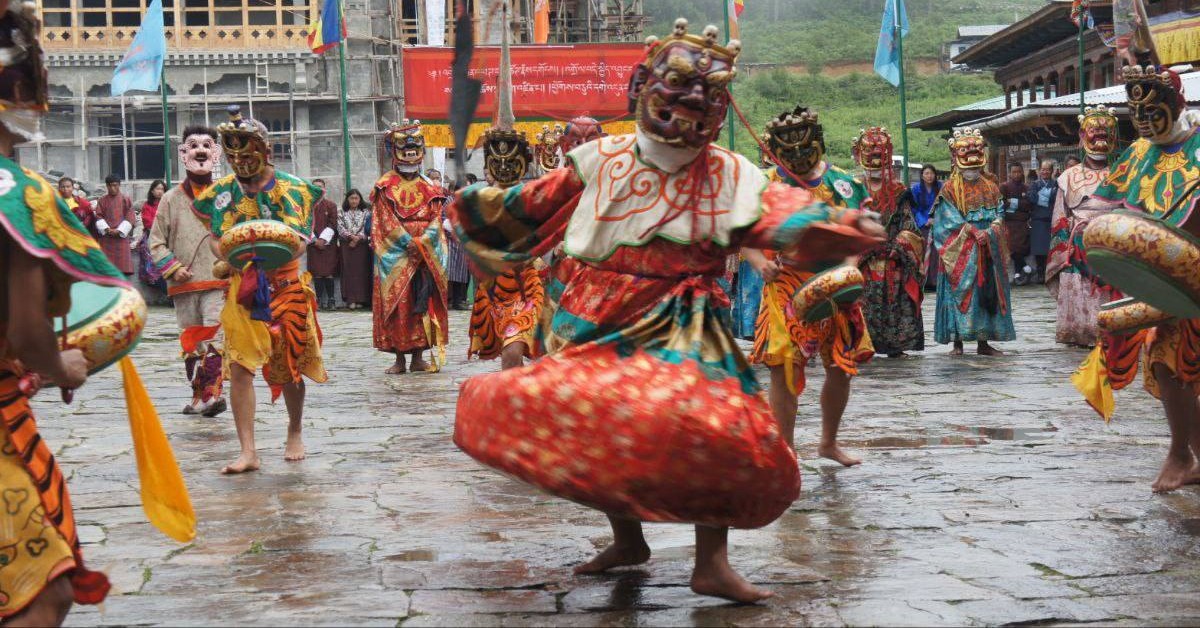
Nimalung Tshechu is a three-day annual Buddhist festival held at Nimalung Dratshang in Chumey Valley, Bumthang. Celebrated from the 8th to the 10th day of the fifth Bhutanese month, it honours Guru Padmasambhava (Guru Rinpoche), the revered master associated with the introduction of Buddhism to Bhutan.

For visitors planning a wider pilgrimage in Bumthang or elsewhere in the country, see our Bhutan Pilgrimage Guide for regional sites and practical advice.
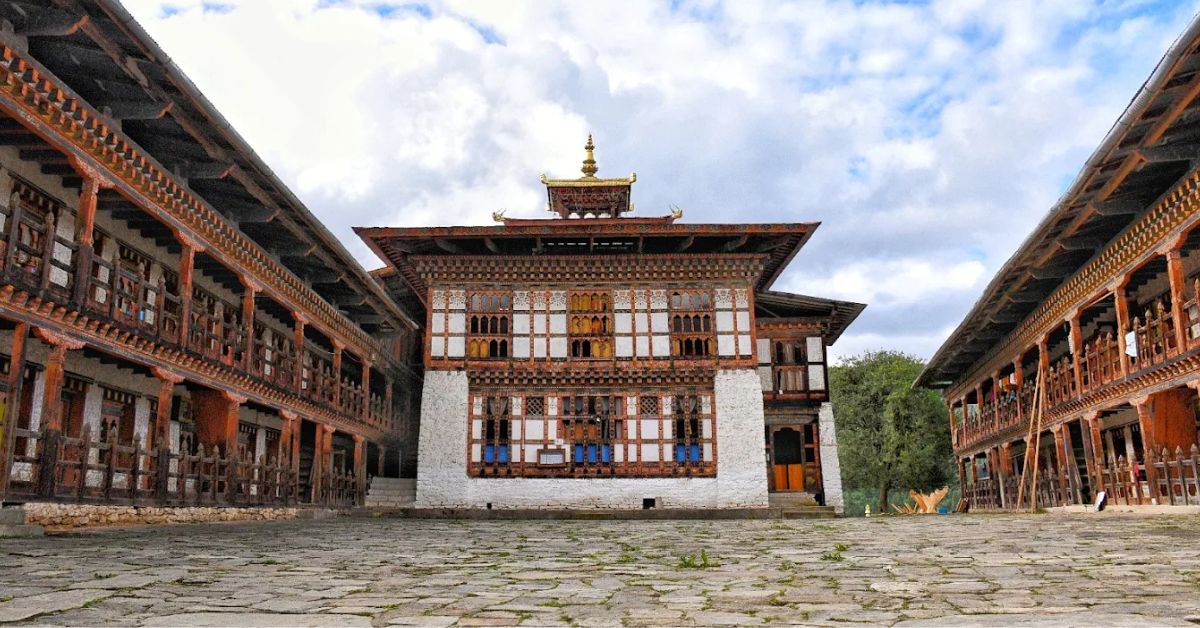
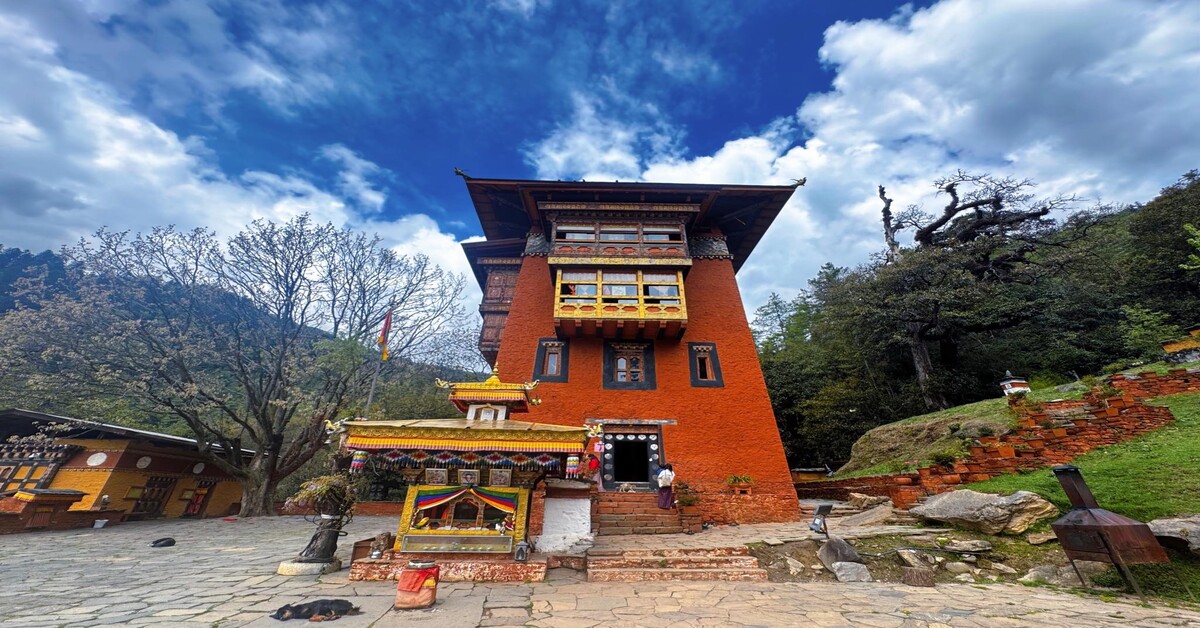
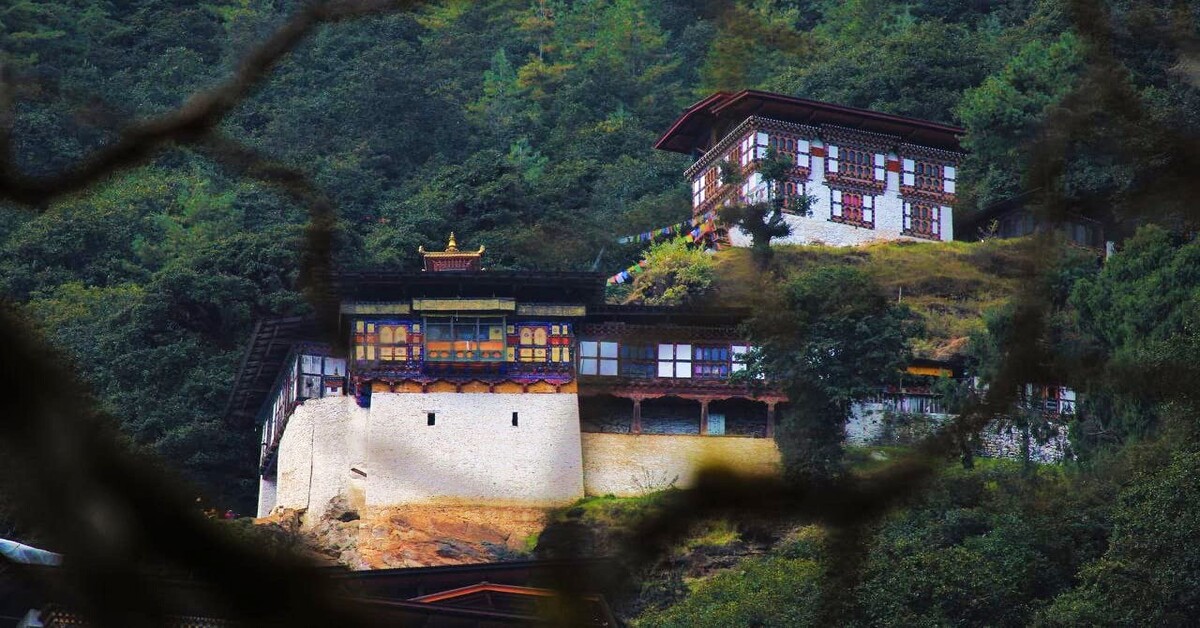
Nimalung Monastery in Chumey Valley, Bumthang, a Drukpa Kagyu Buddhist monastery in Bhutan

Nimalung Monastery, the Temple in the Sun Valley of Bumthang

Nimalung Monastery, also known as Thubten Shedrup Dargay Choling Lhakhang or Nyimalung Dratshang, is a two-storey Buddhist monastery on a forested hill in Chumey Valley, Bumthang. The name Nyimalung means “Sun Valley”. Situated beyond Prakhar Lhakhang at around 2,800 metres, it is an important centre of the Nyingma tradition and is known for its murals, monastic school and annual Nimalung Tshechu.

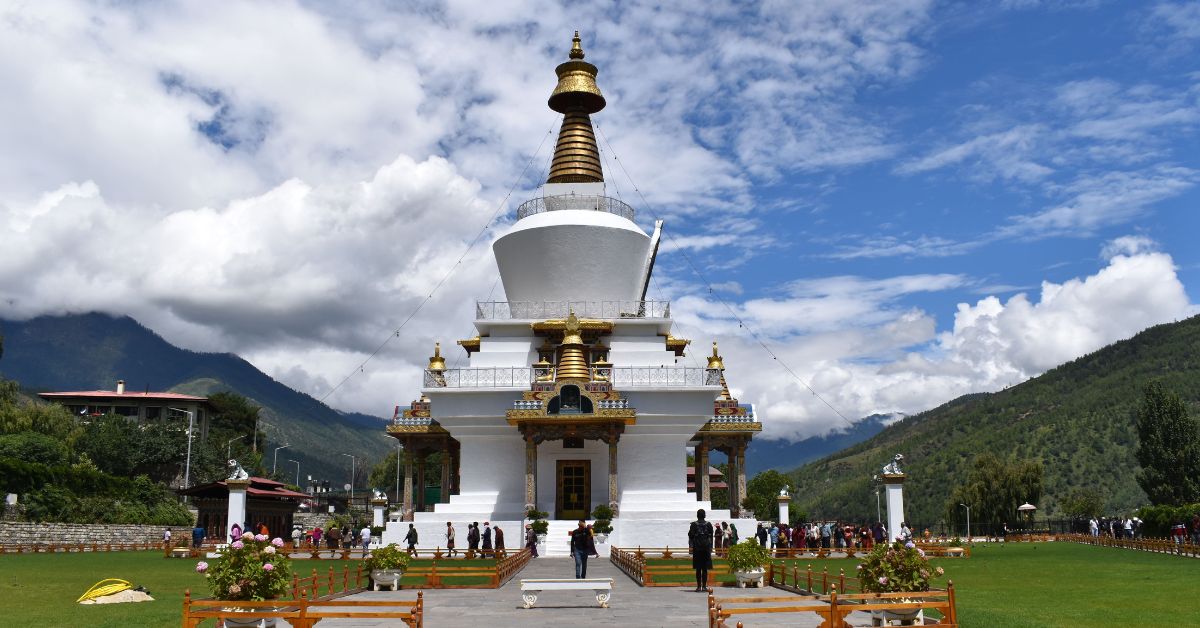
National Memorial Chorten, prominent Buddhist stupa and place of daily worship in Thimphu, Bhutan

National Memorial Chorten, the Stupa representing Buddha’s Mind

The National Memorial Chorten, also known as the Memorial Chorten or Thimphu Choeten, is one of the capital’s best-known Buddhist landmarks. Commissioned by Queen Mother Ashi Phuntsho Choden Wangchuck in memory of her son, the Third Druk Gyalpo His Majesty Jigme Dorji Wangchuck, the chorten was completed and consecrated in 1974. It fulfils the late King’s wish to build a stupa representing the mind of the Buddha.

Druk Choeding Lhakhang, historic Buddhist temple in the centre of Paro town, Bhutan

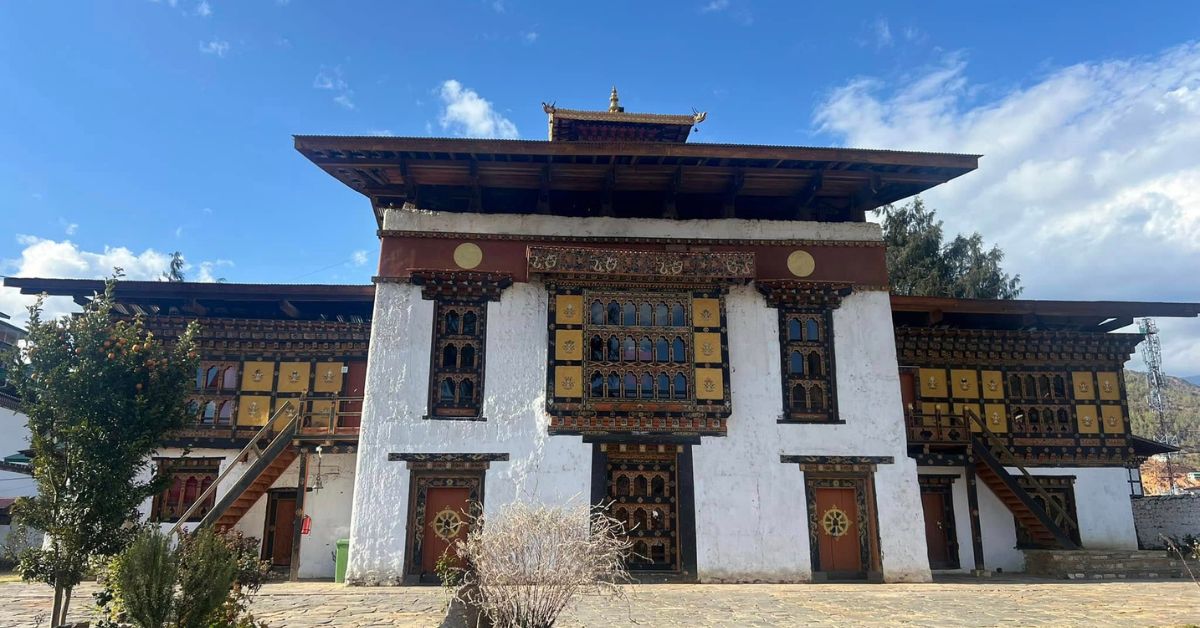
Druk Choeding Lhakhang, the first Residence of Zhabdrung Rinpoche in Paro

Druk Choeding Lhakhang, also known as Tshongdue Temple or Tshongdoe Naktshang, is a historic two-storey temple in the centre of Paro town. Founded by Drukchen Ngawang Chogyal in the 16th century, it is closely associated with Zhabdrung Ngawang Namgyal, who used the temple as a temporary residence after arriving in Bhutan in 1616. Its main relic is Jowo Jampa, the Future Buddha, and the temple is also known for its murals, sacred images and collection of old weapons.

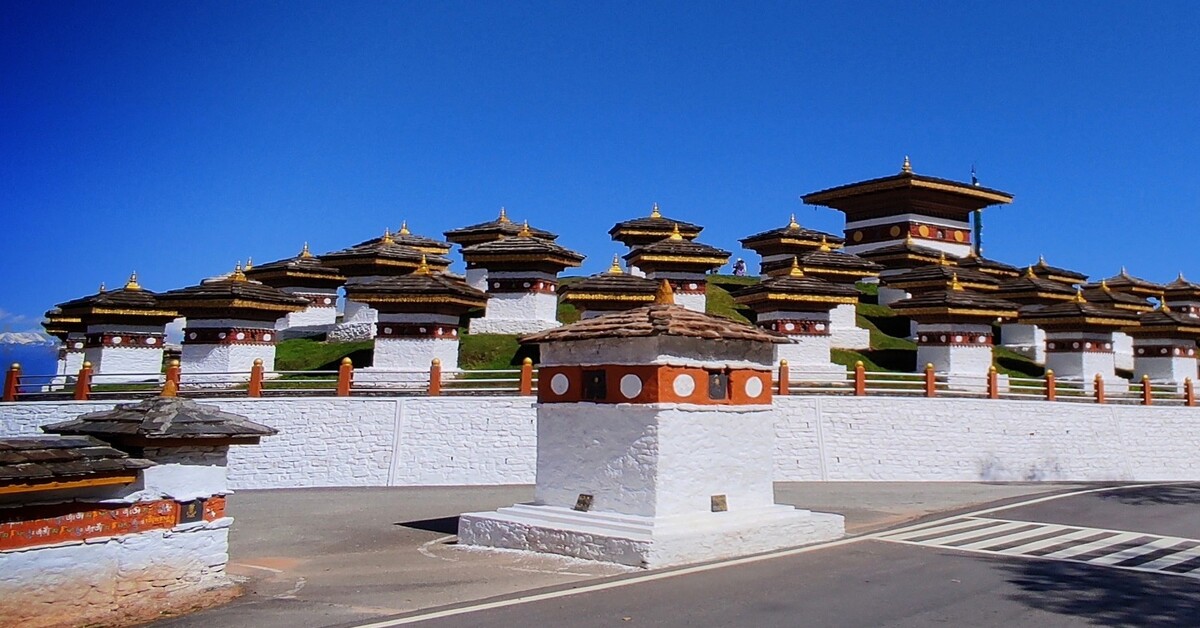
108 Druk Wangyal Chortens at Dochula Pass, Bhutan

Druk Wangyal Chortens, 108 Memorial Stupas at Dochula Pass

Druk Wangyal Chortens, also known as Druk Wangyal Khang Zang Chortens or Dochula Chortens, are 108 memorial stupas at Dochula Pass, on the road between Thimphu and Punakha. Commissioned by the eldest Queen Mother, Ashi Dorji Wangmo Wangchuck, they commemorate the Bhutanese soldiers who lost their lives during the December 2003 military operation, Operation All Clear, led by His Majesty the Fourth Druk Gyalpo, Jigme Singye Wangchuck. The chortens were completed and consecrated in June 2004.

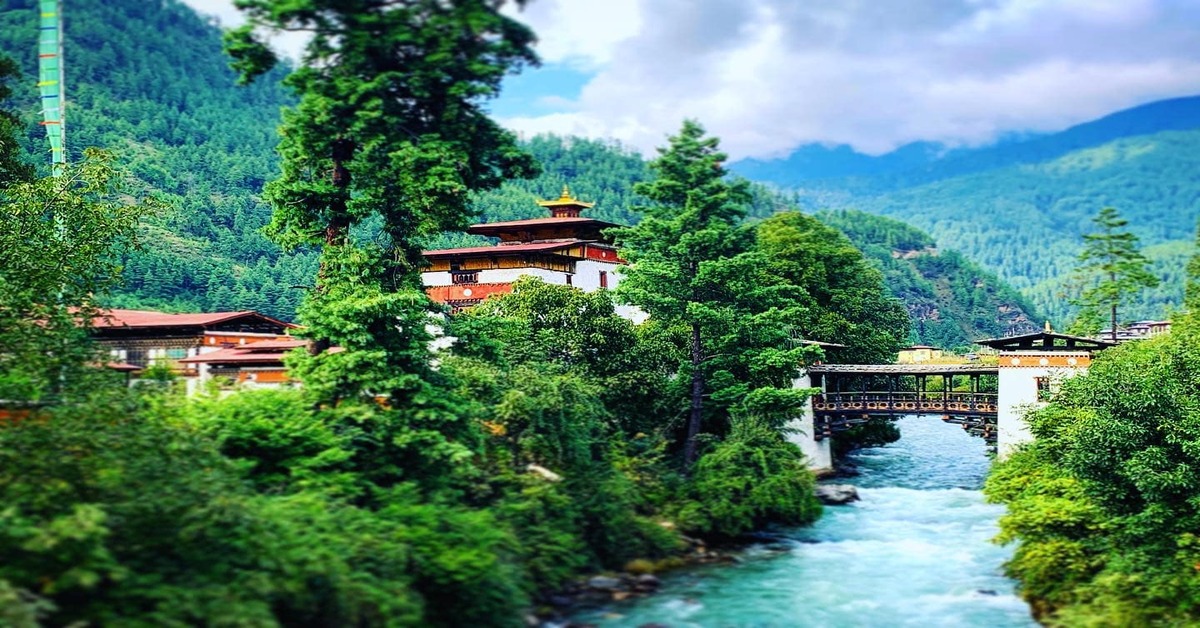
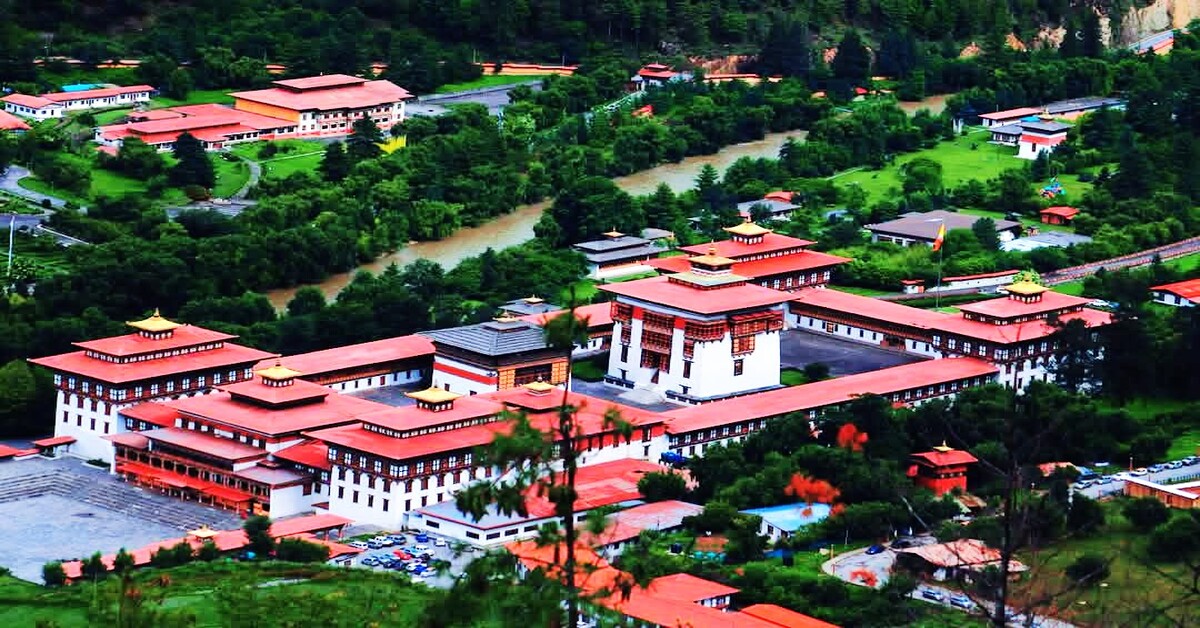
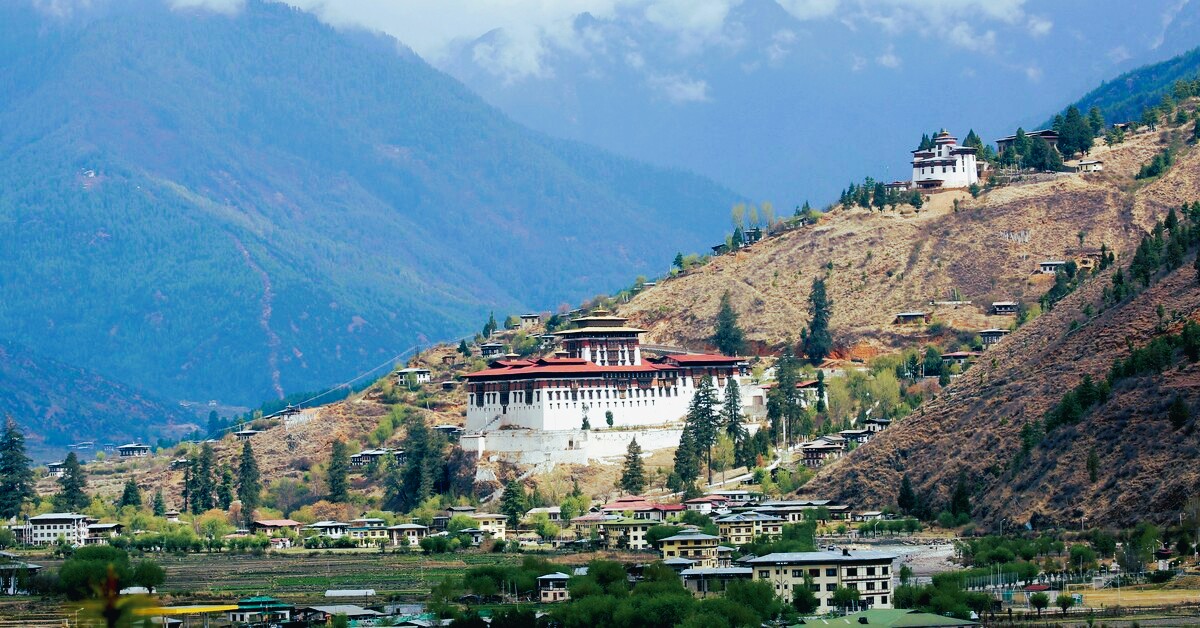
Pangri Zampa Monastery, historic Drukpa Kagyu temple and astrology centre in Thimphu, Bhutan

Pangri Zampa Monastery: Bhutan’s Historic Centre of Traditional Astrology

Pangri Zampa Monastery, also a College of Astrology, is one of the oldest monasteries in Bhutan, founded by Ngawang Chogyal in the 16th century. The monastery is located on the west bank of the Thimphu River, north of Thimphu city.

The monastery was named Druk Phodrang, meaning the “Castle of the Dragon.” However, when Zhabdrung Rinpoche took over, it was named Pangri Zampa Lhakhang, a Temple near the Bridge on an Abandoned Ridge.

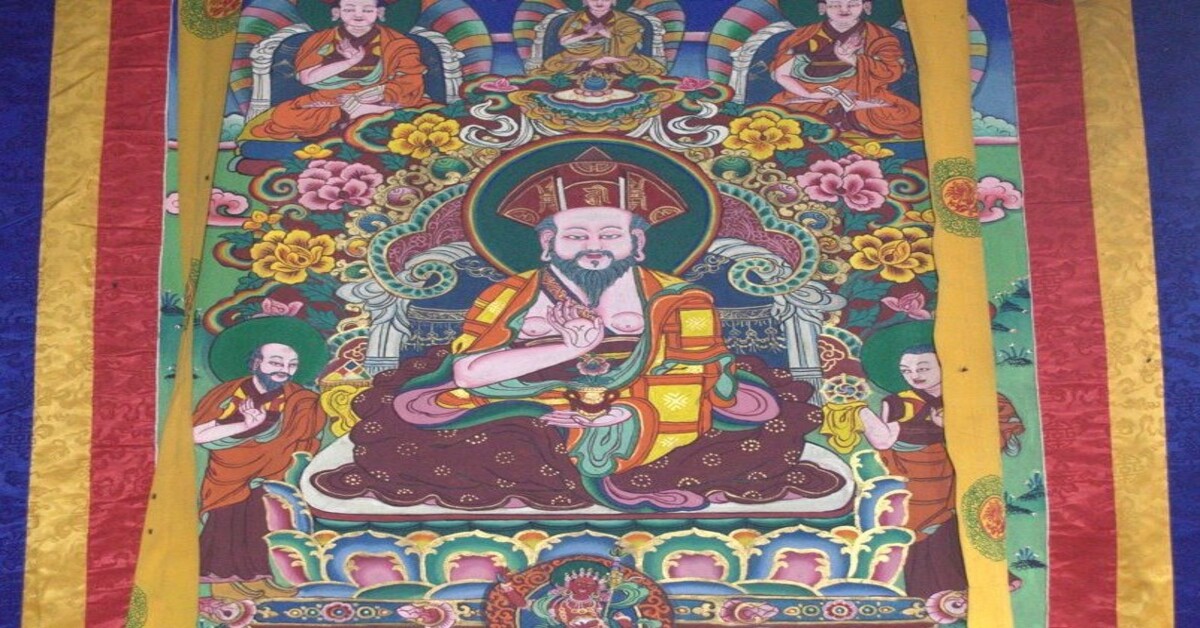
Zhabdrung Ngawang Namgyal, founder and unifier of Bhutan

Zhabdrung Ngawang Namgyal: A Buddhist Warrior, Unifier, and Founder of Bhutan

Zhabdrung Ngawang Namgyal, also known as Zhabdrung Rinpoche, was the Drukpa Kagyu master who became the spiritual and political unifier of Bhutan. Born in Tibet in 1594, he arrived in Bhutan in 1616 at about 22 years of age. Over the following decades, he laid the foundations of the Bhutanese state, established the dual system of governance and shaped the religious and cultural institutions that remain central to the country today.