Skip to content

Bhutan pilgrimage

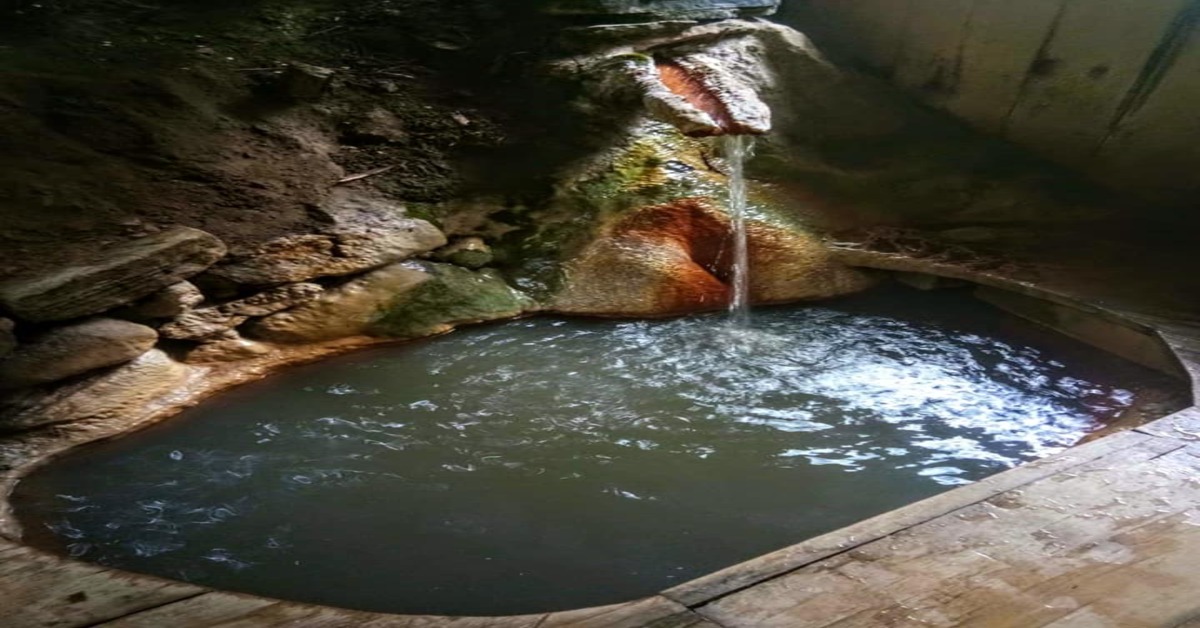
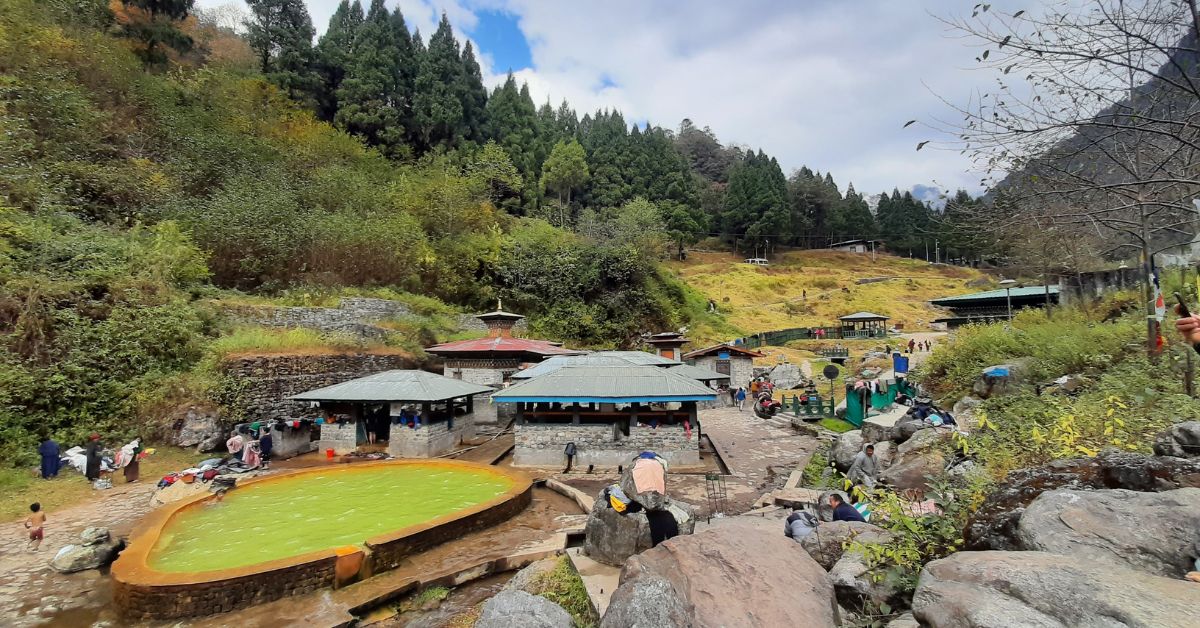
Gasa Tshachu, natural hot springs in Gasa District, Bhutan

Gasa Tshachu: History, Traditional Beliefs and Visitor Advisory

IMPORTANT VISITOR UPDATE — 24 NOVEMBER 2026: Gasa Tshachu was devastated by the Shintaphu Tsho glacial lake outburst flood on 29 October 2026. Almost the entire hot-spring complex and sections of its access infrastructure were washed away. A further lake breach and renewed damage to temporary bridges were reported on 6 November, after which the public was advised not to travel towards Laya until further notice. No verified reopening announcement has been located as of 24 November 2026. Do not plan a visit until Gasa Dzongkhag Administration confirms that the site and access route are safe and officially reopened.

Gasa Tshachu is one of Bhutan’s best-known hot springs, traditionally associated with the belief known as Neyrig Chusum and the healing powers of Drubthob Terkhungpa. These beliefs are an important part of the site’s religious and cultural significance, but they are not proof that bathing cures disease. This guide preserves the spring’s history, local traditions and former visitor information while clearly identifying what has changed after the 2026 flood.
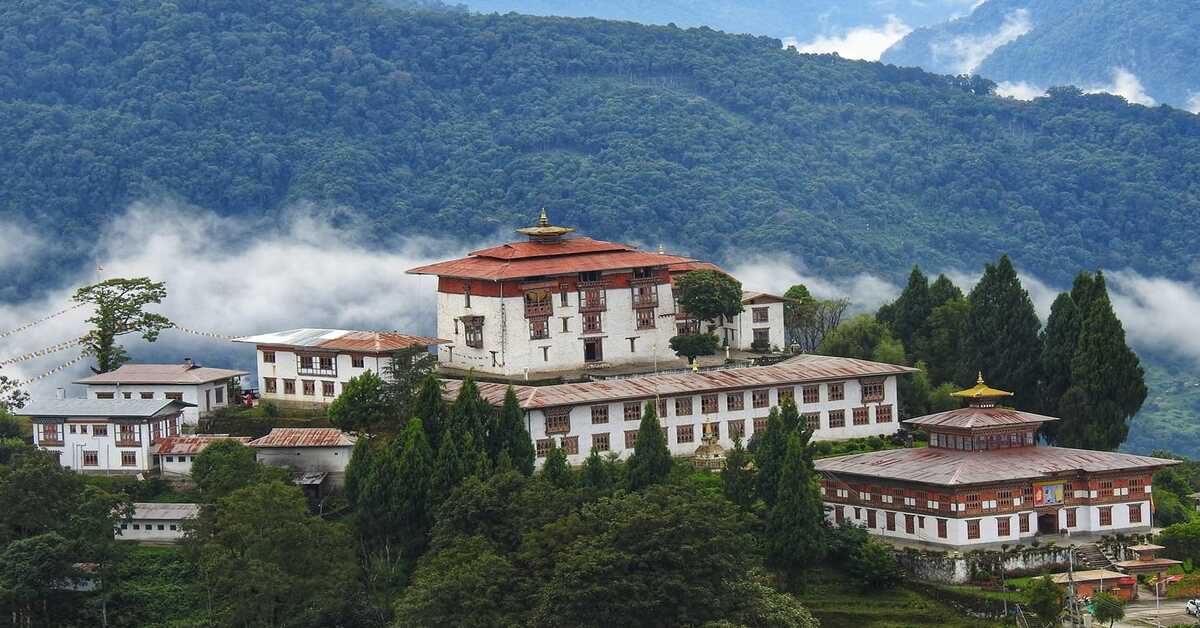
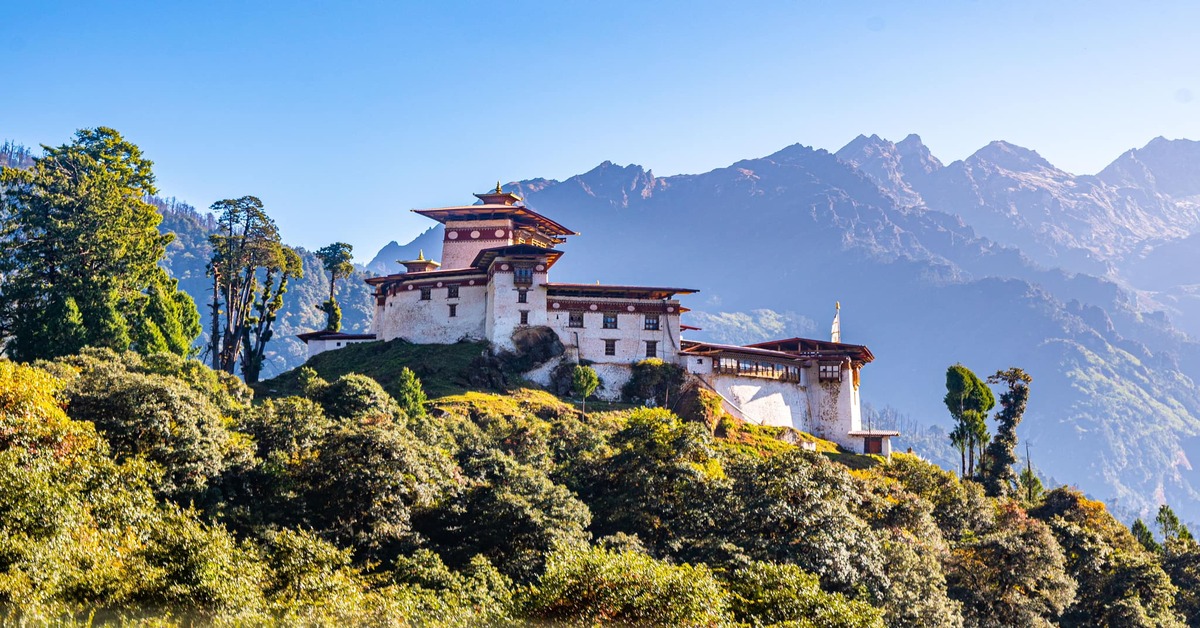
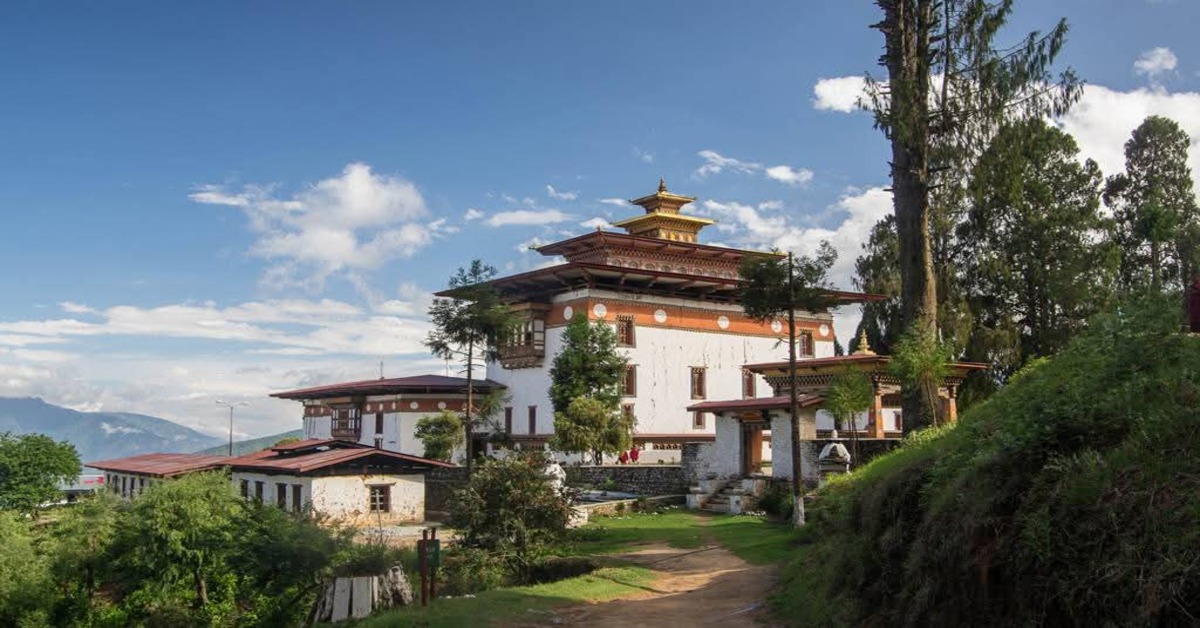
Gasa Tashi Tongmon Dzong, historic fortress in Gasa District, Bhutan

Gasa Dzong, the Fortress that Defended Against Northern Invasions

Gasa Dzong, also known as Gasa Tashi Thongmon Dzong, is a historic fortress in northern Bhutan, built in 1646 by Tenzin Drukdra, the second Druk Desi, under the command of Zhabdrung Ngawang Namgyal. Standing at about 2,800 metres above sea level, the dzong occupies a hilltop site associated with the meditation cave of Drubthob Terkhungpa and became an important stronghold guarding Bhutan’s northern approaches.

Talo Goenpa, Buddhist monastery in the hills above Punakha Valley, Bhutan

Talo Monastery, the Seat of Zhabdrung’s Successive Mind Incarnations

Talo Monastery, also known as Talo Sangngak Choling or Talo Goenpa, is a three-storey Drukpa Kagyu monastery on a ridge above Punakha Valley. The present monastery is commonly dated to 1767 and associated with Chogtul Gyalse Jigme Singye. It later became the principal seat of the successive mind incarnations of Zhabdrung Ngawang Namgyal. Known for its carefully maintained courtyards, sacred objects and annual Talo Tshechu, the monastery offers visitors a glimpse of an important chapter in Bhutan’s religious history.

Punakha Dromche festival reenactment and religious ceremonies at Punakha Dzong, Bhutan

Punakha Dromche 2027

Punakha Dromche, also known as Punakha Drubchen or Puna Drubchen, is a distinctive three-day annual festival held at Punakha Dzong. It commemorates Bhutan’s resistance to Tibetan invasions during the seventeenth century under Zhabdrung Ngawang Namgyal. Its best-known feature is the dramatic reenactment by the Pazaps, local militia representatives dressed in traditional battle attire.

Dhur Tshachu, remote natural hot spring with bathing pools in Bumthang, Bhutan

Dhur Tshachu: Sacred Hot Springs and Trek Guide

Dhur Tshachu, also known as Dur Tshachu or Dur Hot Spring, is a remote group of natural hot springs in Wangchuck Centennial National Park, Bumthang Dzongkhag. Set at roughly 3,400 metres in a forested mountain valley, the springs are associated in Bhutanese Buddhist tradition with Guru Menlha, the Medicine Buddha. Reaching the pools requires a demanding high-altitude trek from the nearest roadhead.

Tharpaling Monastery, historic Nyingma Buddhist monastery above Chumey Valley in Bumthang, Bhutan

Tharpaling Monastery, Bumthang: History & Visitor Guide

Tharpaling Monastery, or Tharpaling Goemba, is a historic Buddhist monastic complex on a hillside above the Chumey Valley in Bumthang. The name Tharpaling means “Land of Liberation”. The site is closely associated with Kunkhyen Longchen Rabjam (Longchenpa), who established it as an important Nyingma centre in 1352, following an earlier foundation by the Drukpa Kagyu master Gyalwa Lorepa. Set at approximately 3,600 metres, the monastery is known for its meditation heritage, sacred temples, the Longchen Zhugthri and the distinctive Great Cannon. Local tradition also associates the site with Guru Rinpoche’s visit in the 8th century.

To explore other sacred places in Bumthang and across the country, continue to our Bhutan Pilgrimage Guide for regional pilgrimage ideas and practical planning advice.

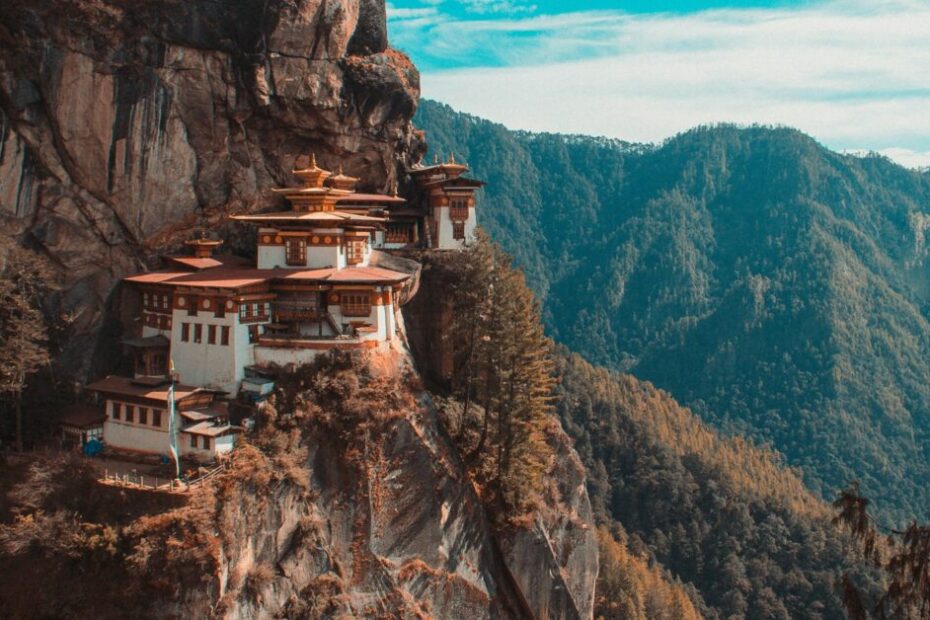
Paro Taktsang (Tiger’s Nest), a sacred destination in this Bhutan pilgrimage guide

10 Famous Temples in Bhutan You Must Visit

Temples in Bhutan are living centres of worship, learning and community life. From cliffside Paro Taktsang (Tiger’s Nest) to the ancient shrines of Bumthang and the lesser-visited monasteries of eastern Bhutan, each sacred place has its own history, legends and traditions. This guide introduces ten famous temples and monasteries across the country, with practical information to help you understand what makes each one special and plan a respectful visit.

For a broader introduction to sacred destinations, Buddhist pilgrimage traditions and planning a journey across the country, continue to our Bhutan Pilgrimage Guide.

Gelephu Tshachu hot spring in Sershong Gewog, Sarpang, southern Bhutan

Gelephu Tshachu: History, Traditional Beliefs and Visitor Guide

Gelephu Tshachu is a hot spring beside a river in the southern plains of Sershong Gewog, Sarpang Dzongkhag, at an elevation of approximately 332 metres. It was inaugurated by the Third King, Jigme Dorji Wangchuck, in 1962. The spring is valued for recreation and traditional wellness practices; claims about miraculous cures or glowing skin are not established medical effects.