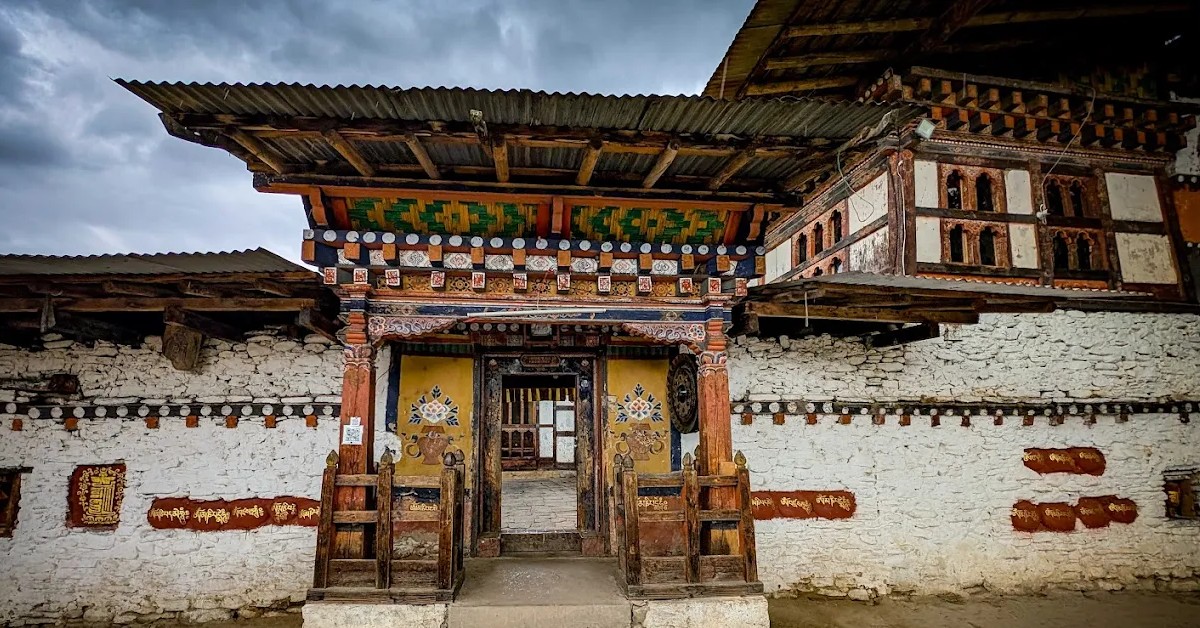
Tamzhing Lhakhang, meaning the “temple of good message”, is a small single-story temple founded by Pema Lingpa in 1501 in Chokhor Valley of Bumthang.

Your Trusted Platform for Bhutan Pilgrimage Journeys
Your Trusted Platform for Bhutan Pilgrimage Journeys
Your Trusted Platform for Bhutan Pilgrimage Journeys
Tamzhing Lhakhang, meaning the “temple of good message”, is a small single-story temple founded by Pema Lingpa in 1501 in Chokhor Valley of Bumthang.
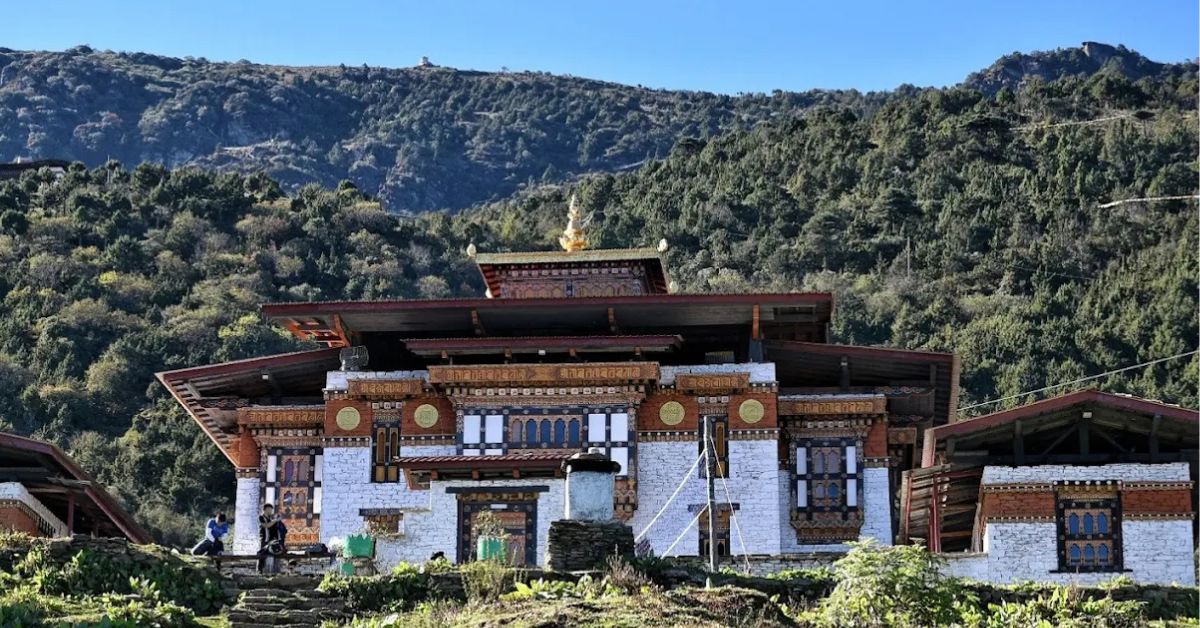
Phajoding Monastery is a Buddhist institute founded by Phajo Drugom Zhigpo in the 13th century at an altitude of 4,000 meters overlooking Thimphu City.
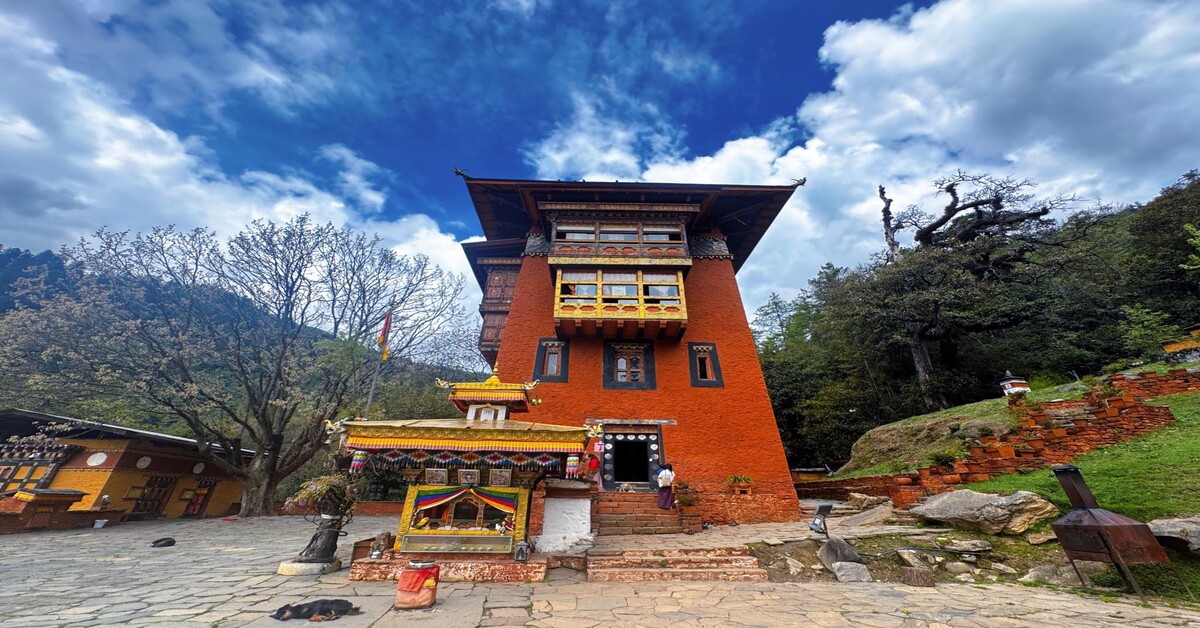
Dechenphu Lhakhang, or Dechenphu Geynyen Neykhang, is the abode of Geynyen Jagpa Melen, the powerful deity of Bhutan, founded by Dampa in the 12th century.
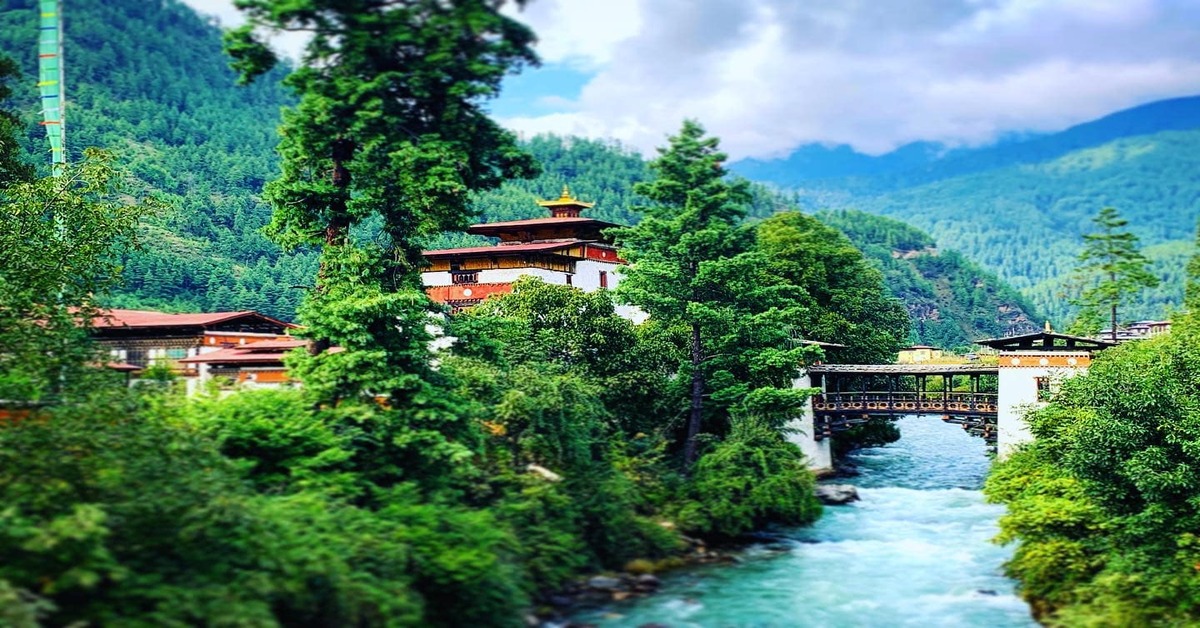
Pangri Zampa Monastery, a College of Astrology, is a temple founded by Ngawang Chogyal in the 16th century, which later became the home of Zhabdrung Rinpoche
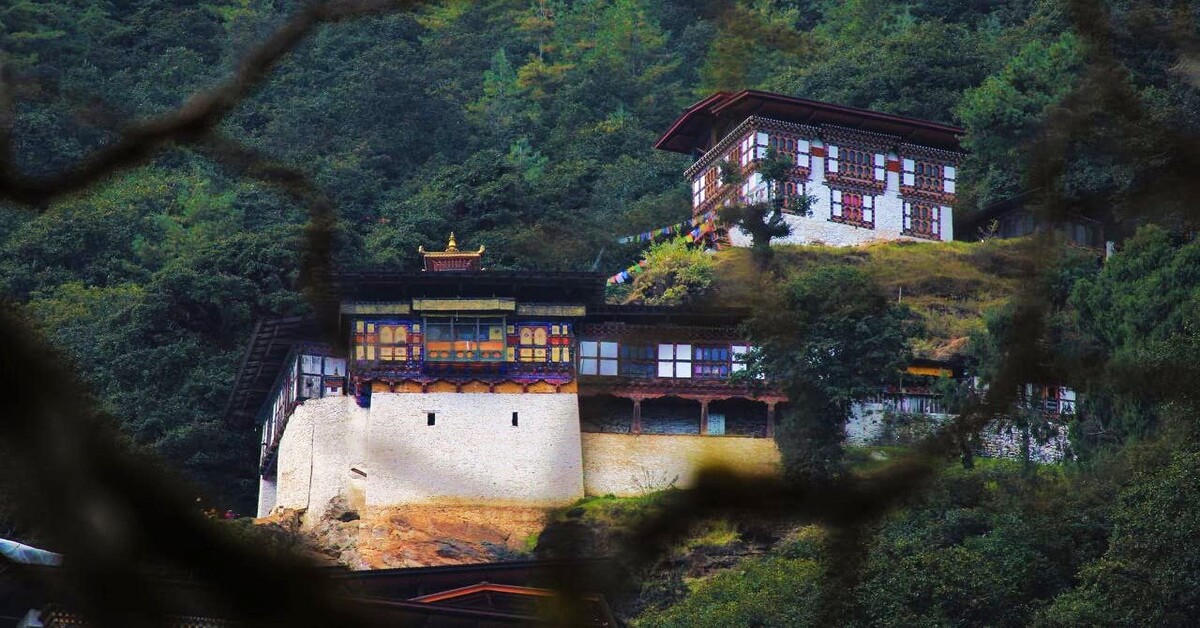
Cheri Monastery, also called Chagri Dorjeden Monastery, is the first monastery in Bhutan founded by Zhabdrung Ngawang Namgyal in 1620 on the face of Iron Hill.
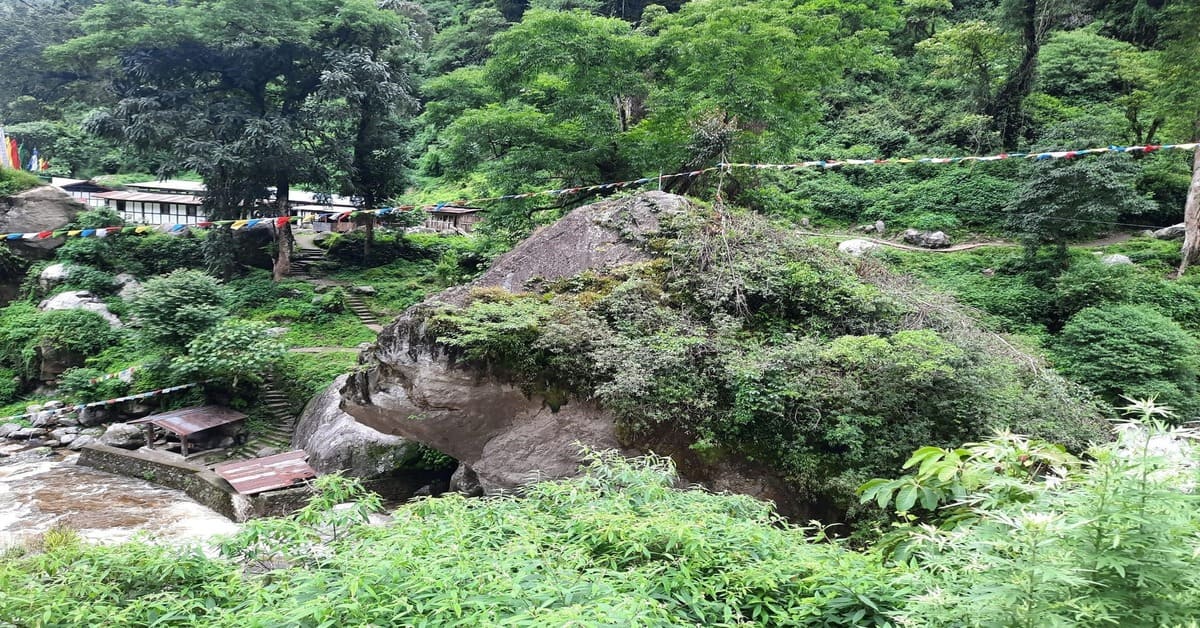
Koma Tshachu is a hot spring blessed by Guru Rinpoche in Punakha located at an altitude of 1839 meters famous for healing broken bones and joints.
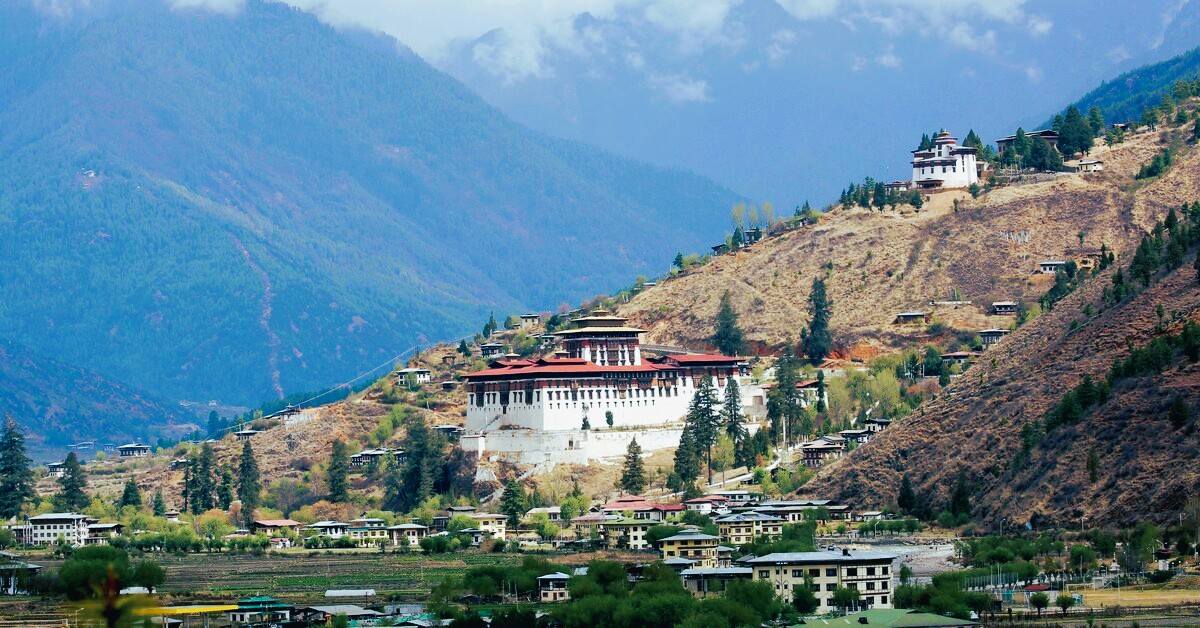
Paro Rinpung Dzong, also known as Paro Dzong, is a huge fortress built by Zhabdrung Ngawang Namgyal for defense against the Tibetan invasions in 1646.
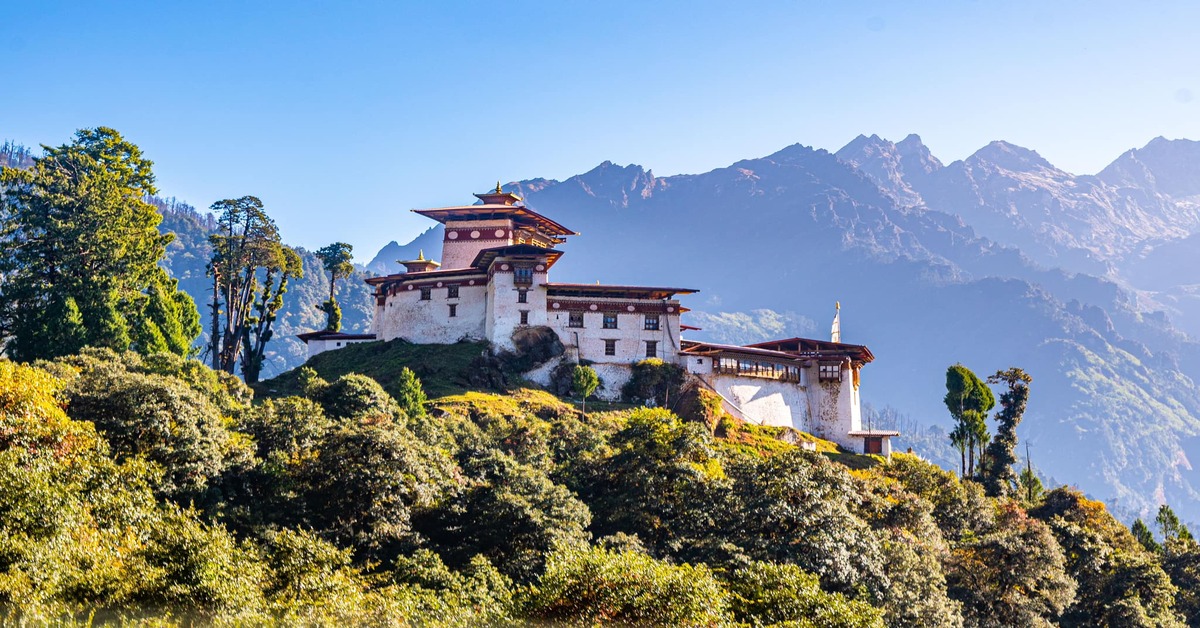
Gasa Dzong, also known as Gasa Tashi Thongmon Dzong is one of the 16 dzongs built by the Zhabdrung to commemorate the victories over the Tibetans in 1646.
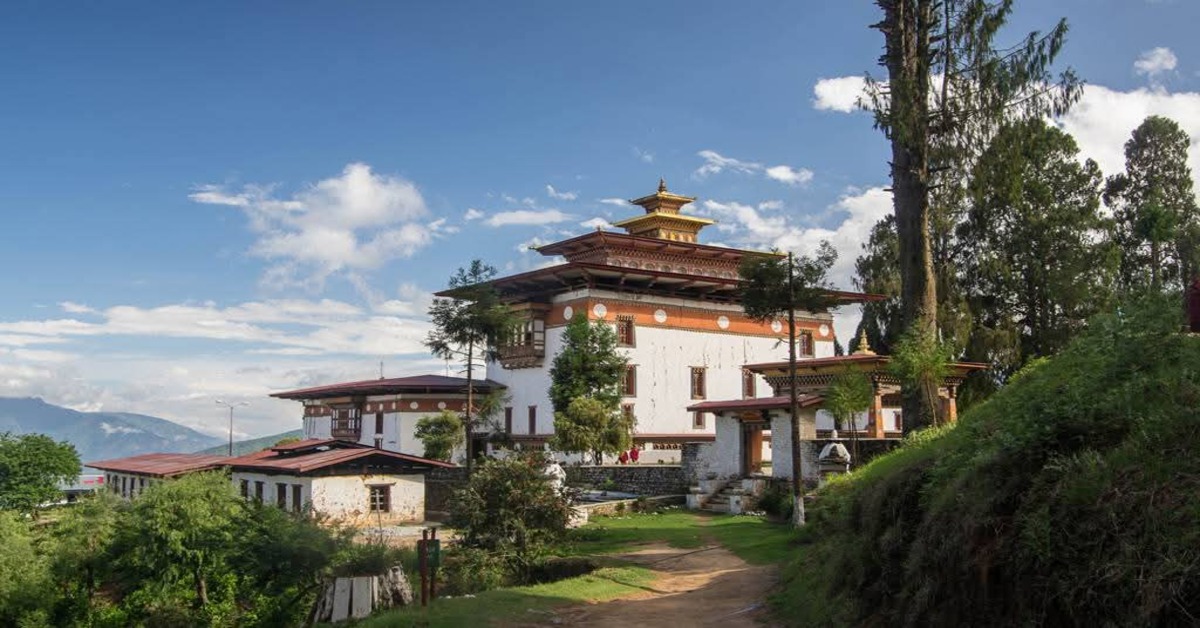
Talo Monastery, also known as Talo Sangngak Choling Dzong, is a three-story monastery built in 1767 by Chogtul Jigme Singye as a replica of the Samye monastery.
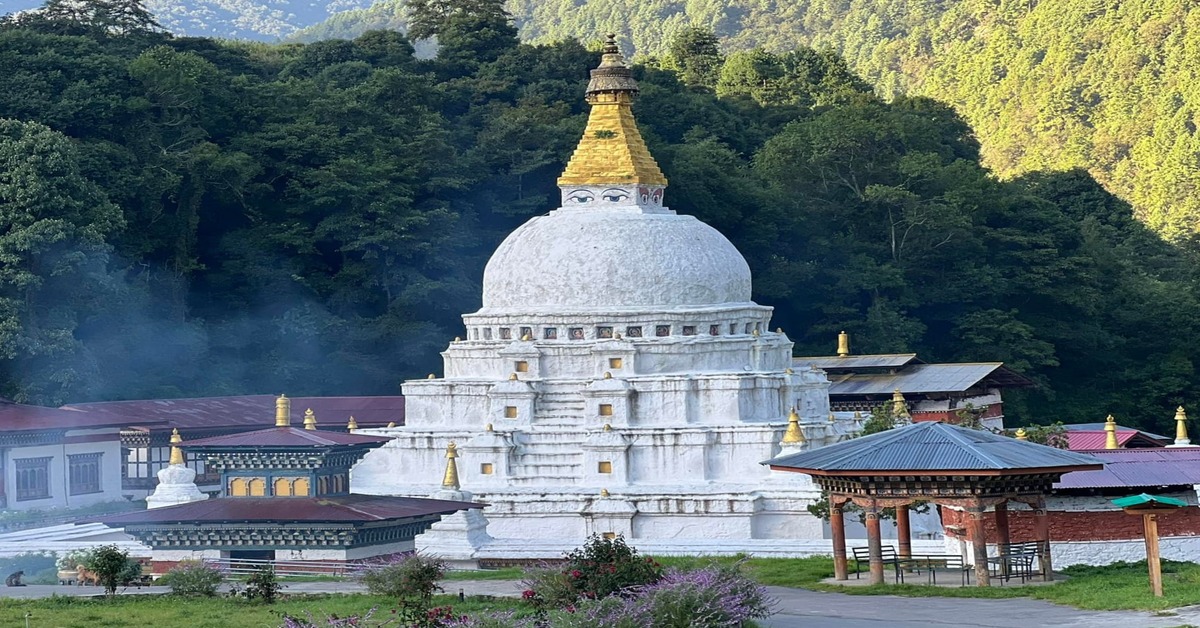
Chorten Kora is a Buddhist stupa in Trashiyangtse, Bhutan built by Lama Ngawang Lodro in 1740 AD. The stupa is modeled after the famous Boudha Stupa in Nepal.