Skip to content

Ney

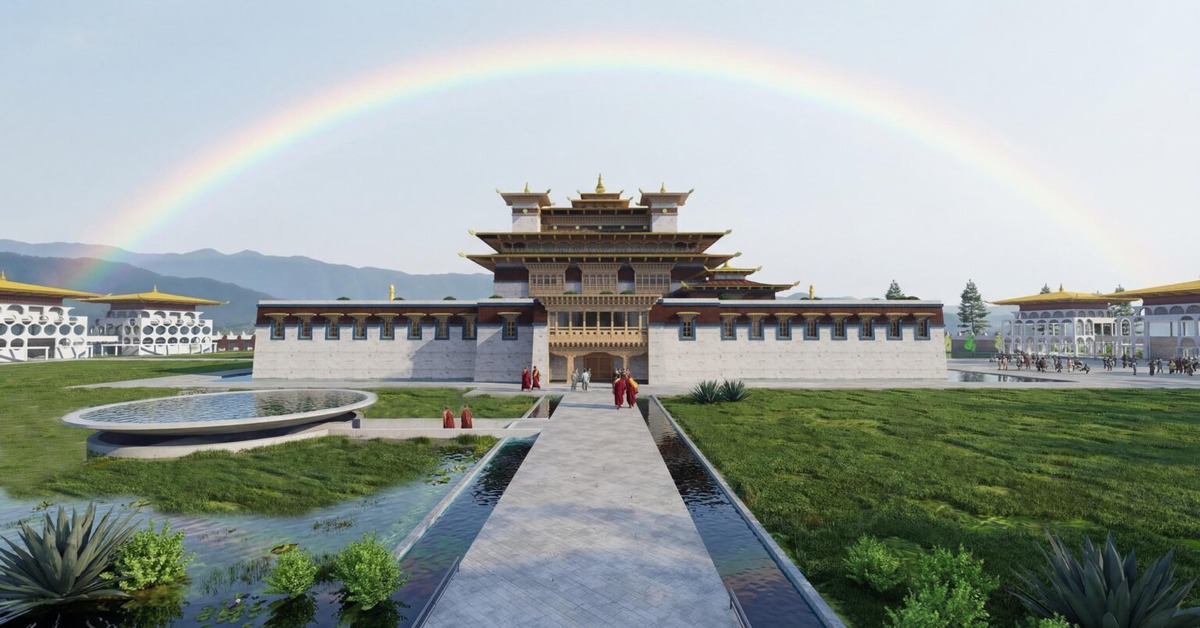
Planned Druk Ugyen Samye Ling living mandala monastery in Dawathang, Gelephu Mindfulness City, Bhutan

Druk Ugyen Samye Ling, A Living Mandala in Gelephu Mindfulness City

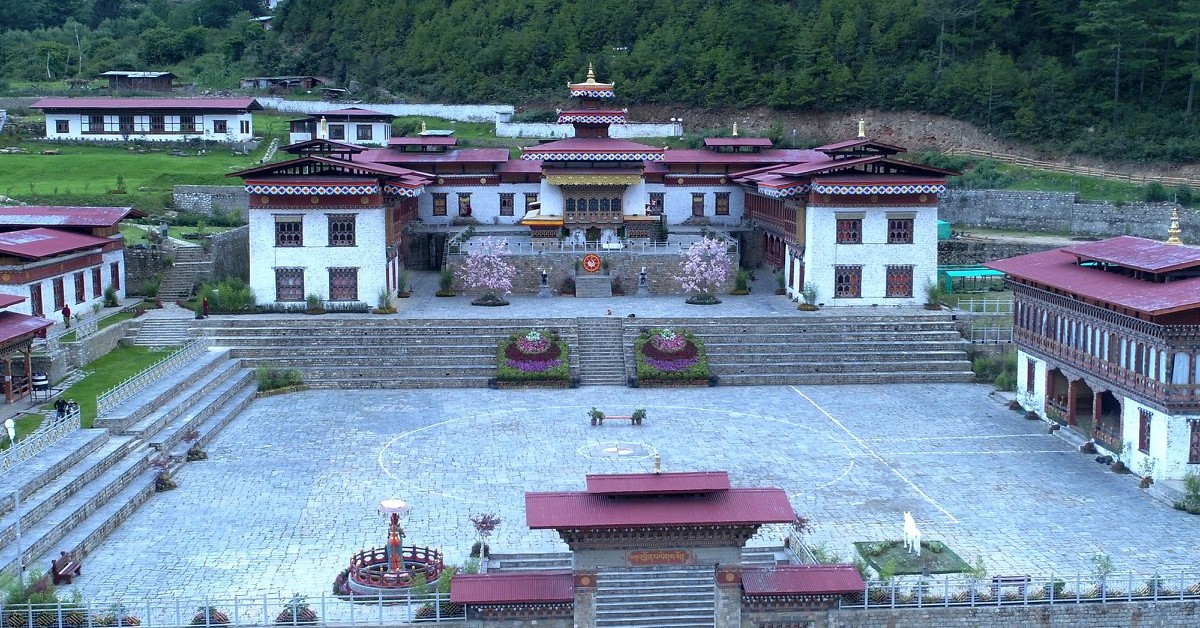
Druk Ugyen Samye Ling is a planned Buddhist monastery and spiritual complex in Gelephu Mindfulness City (GMC), Bhutan. Inspired by Tibet’s historic Samye Monastery, it is envisioned as a living mandala where monastic life, Buddhist learning, prayer and meditation come together. The project is under the patronage of His Eminence the 7th Namkhai Nyingpo Rinpoche.
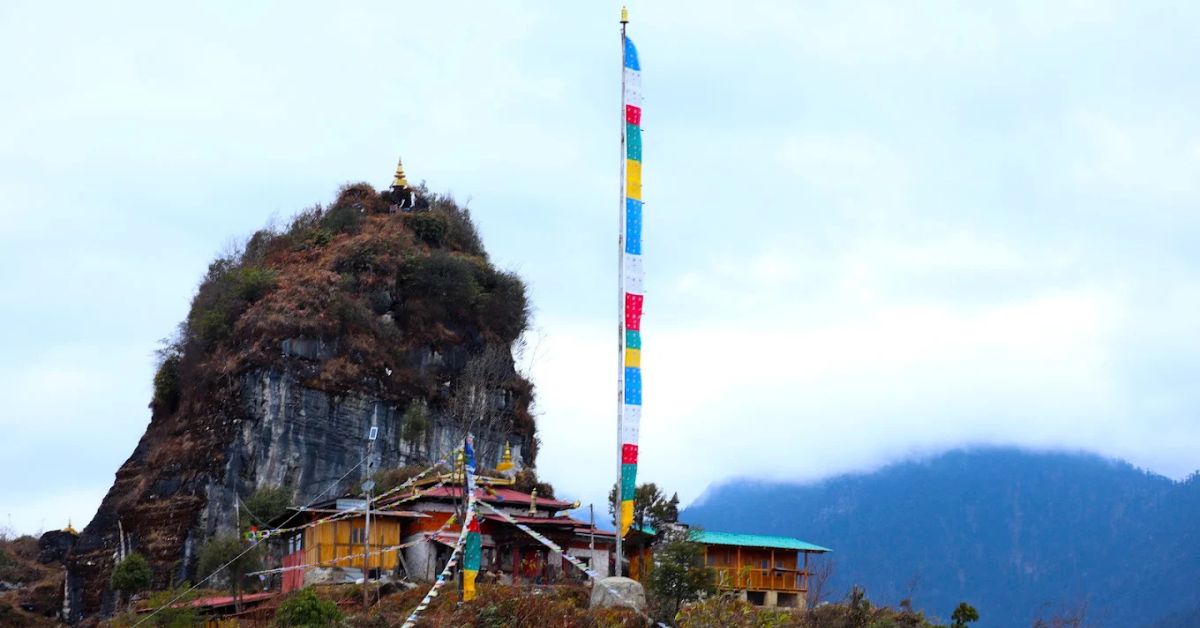
Neychen Rinchen Bumpa sacred cliff and pilgrimage site in Kurtoe, Lhuentse, Bhutan

Rinchen Bumpa, the Jewel Vase of Guru Rinpoche

Rinchen Bumpa, also known as Neychen Rinchen Bumpa or Shedrup Chokhorling, is a revered Buddhist sacred site in the remote Kurtoe area of Dungkhar, Lhuentse Dzongkhag, eastern Bhutan. Bhutanese religious tradition associates the site with Guru Rinpoche, who is said to have meditated here for three months. The sacred landscape is known for its distinctive white cliff, meditation caves, sacred imprints and a stone slab on which religious letters are said to appear in the early sunlight.

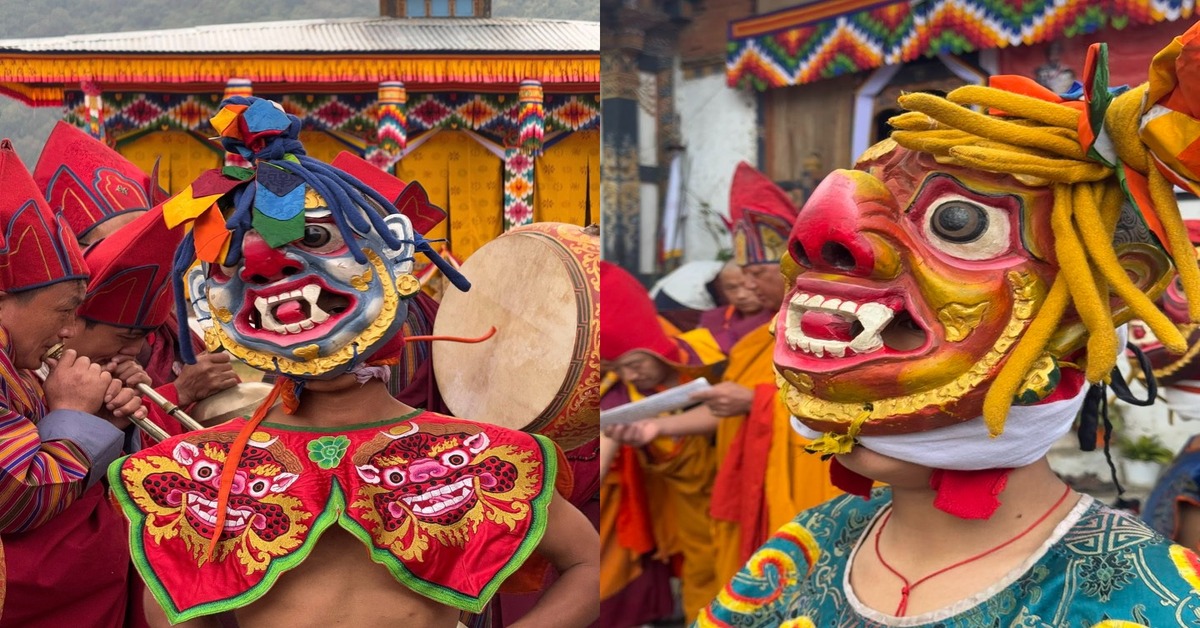
Nabji Lhakhang Drup, traditional religious festival at Nabji Lhakhang in Trongsa, Bhutan

Nabji Lhakhang Drup Festival 2026

Nabji Lhakhang Drup, also known as Doling Drubchen, is an annual religious festival held at Nabji Lhakhang in Nabji village, Korphu Gewog, Trongsa. Dedicated to Guru Rinpoche, the observance brings together monks and the local community for prayers, rituals and sacred dances.

Nabji Lhakhang can also be considered as part of a wider journey through Bhutan’s sacred places. Explore our Bhutan Pilgrimage Guide for regional pilgrimage traditions and planning advice.

Dechen Phodrang Ney sacred meditation cave and temple in Bumdeling, Trashiyangtse, Bhutan

Dechen Phodrang Ney, a Meditation Cave of Guru Rinpoche

Dechen Phodrang Ney is a sacred drupkhang (meditation cave) in the Woogmanang area of Bumdeling Gewog, Trashiyangtse, eastern Bhutan, at approximately 2,260 metres above sea level. The site is associated with Guru Rinpoche (Padmasambhava) and is revered for its rock-face temple, sacred imprints, meditation cave, spring and naturally formed religious symbols. Local religious accounts associate its rediscovery with the 15th-century master Lama Karma Jamyang Rabjor.

Tachog Lhakhang near Paro, Bhutan

Tachog Lhakhang, the Temple on the Hill of the Excellent Horse

Tachog Lhakhang, also known as Tamchog or Tachogang Lhakhang, is a historic temple beside the Paro Chhu in western Bhutan. The monastery is closely associated with Drupthob Thangtong Gyalpo (1385–1464), the revered master and engineer remembered for building iron-chain suspension bridges across the Himalayan region. The site is especially known for Tamchog Chakzam, the celebrated bridge that links the Paro–Thimphu highway with the temple on the opposite bank.

Ngang Lhakhang, the historic Swan Temple in Ngang Yul, Bumthang, Bhutan

Ngang Lhakhang, the “Swan temple” in Bumthang

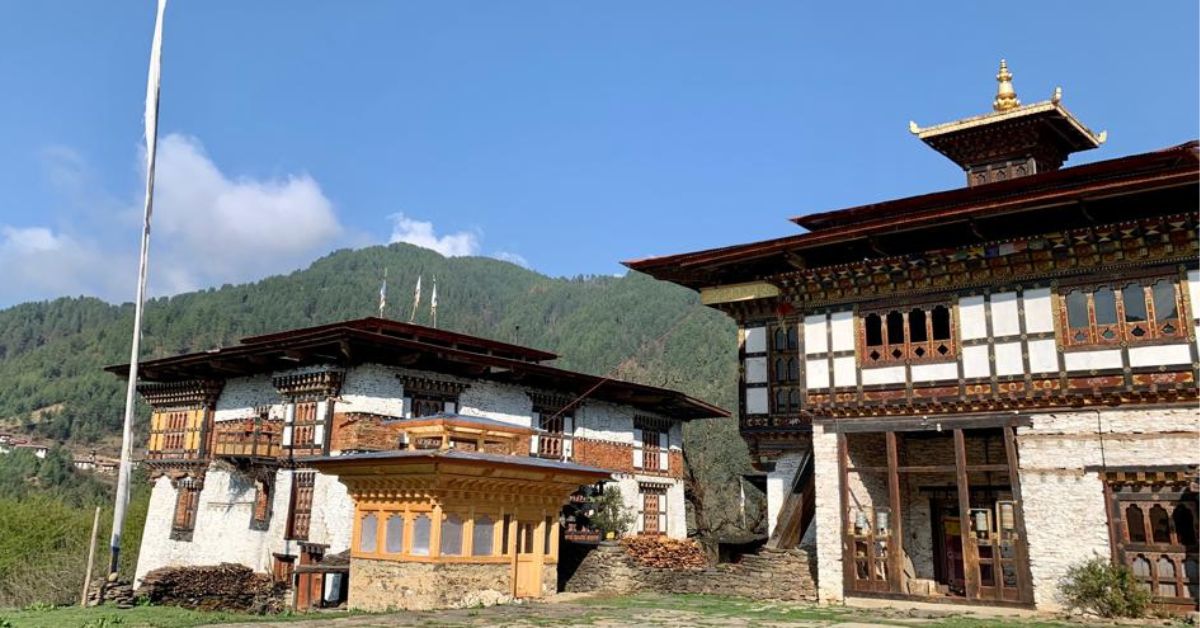
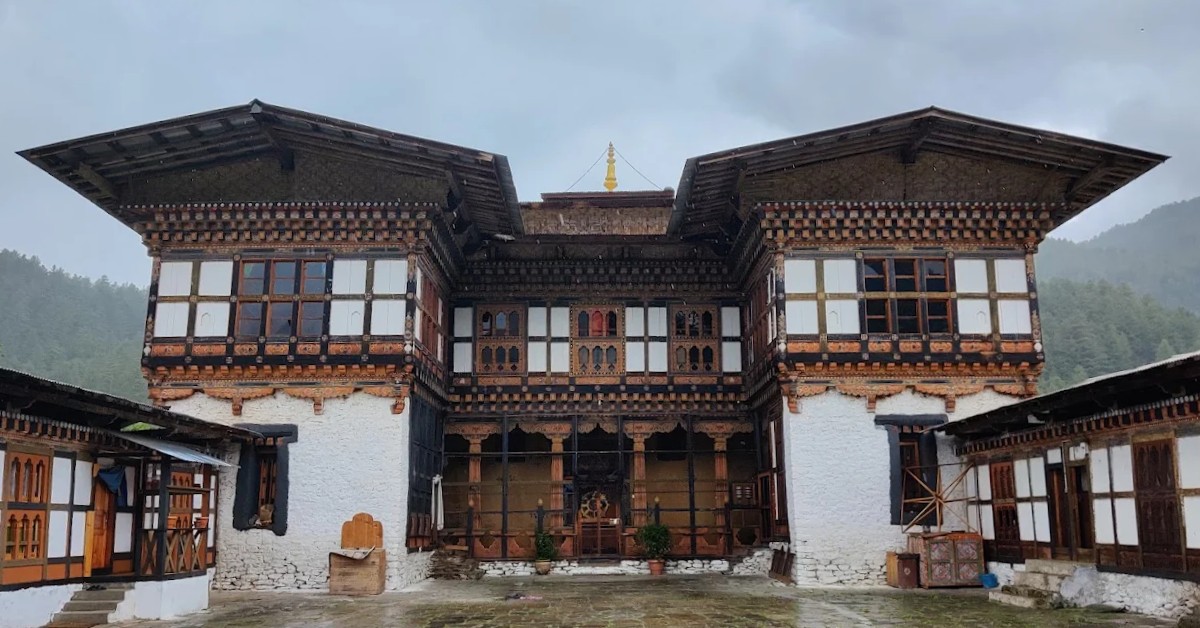
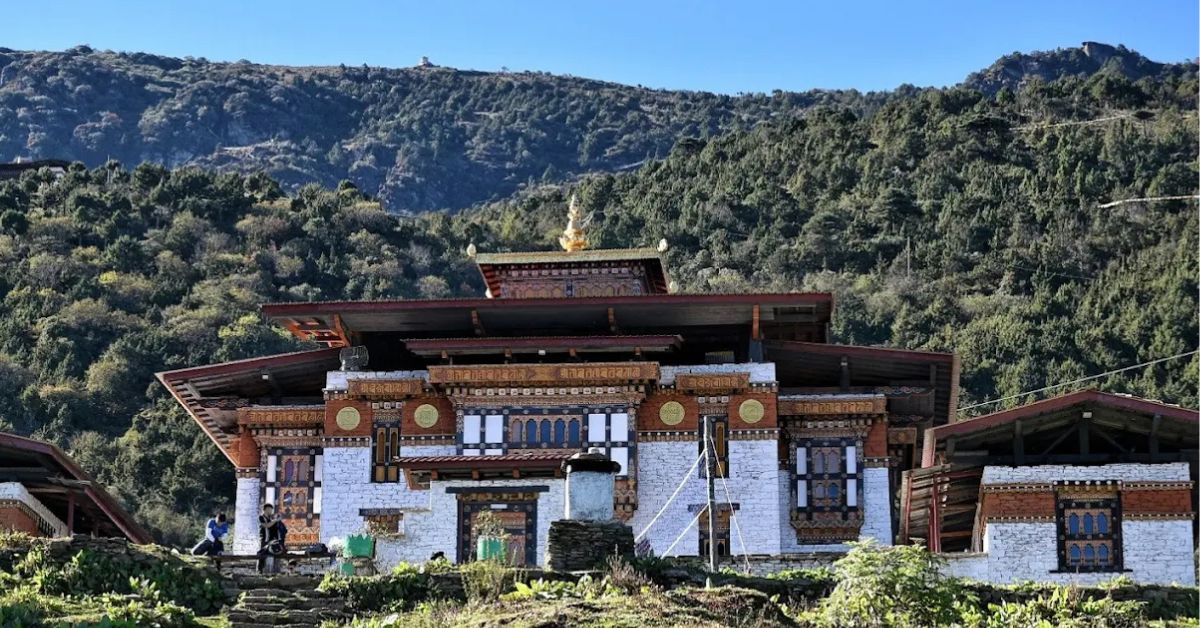
Ngang Lhakhang, also known as Ngala Lhakhang or Ngaa Lhakhang, is a private 15th-century temple in Ngang village, Chhoekhor Gewog, in the upper Choekhor Valley of Bumthang Dzongkhag. Its name means “Swan Temple” and comes from a local story about two swans that landed at the site, inspiring the Tibetan lama Namkha Samdrup, also known as Tshampa Lama, to establish his residence there. The temple stands at approximately 2,819 metres and remains an important part of the community’s religious and cultural life.

For a wider introduction to Bhutan’s sacred destinations and the traditions that connect them, see our Bhutan Pilgrimage Guide.

Prakhar Lhakhang in Chumey, Bumthang, a historic temple associated with the white-monkey legend

Prakhar Lhakhang, the Temple built by White Monkeys in Bumthang

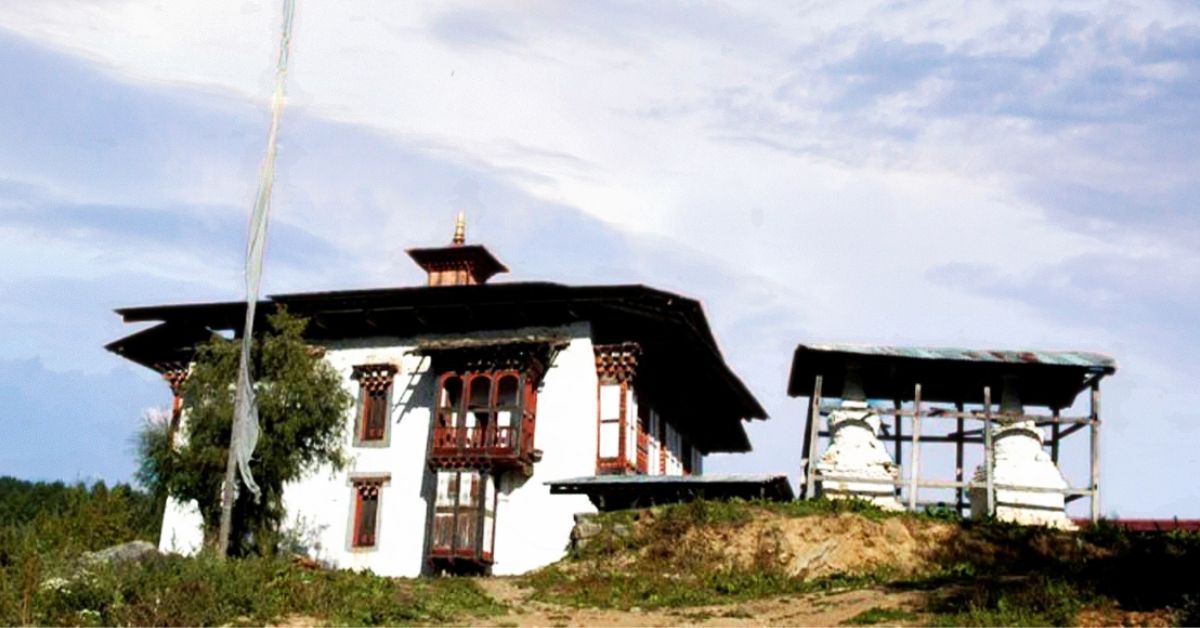
Prakhar Lhakhang, also known as Trakar Lhakhang or Prakhar Ngatshang, is a complex of temples and a mansion (ngatshang) in the Chume Valley of Bumthang Dzongkhag. It was founded by Tenpe Nyima, the grandson of Terton Pema Lingpa, with the help of white monkeys in the 16th century.

Include Prakhar Lhakhang in a wider exploration of Bhutan’s sacred places with the help of our Bhutan Pilgrimage Guide, which covers regional destinations and pilgrimage customs.

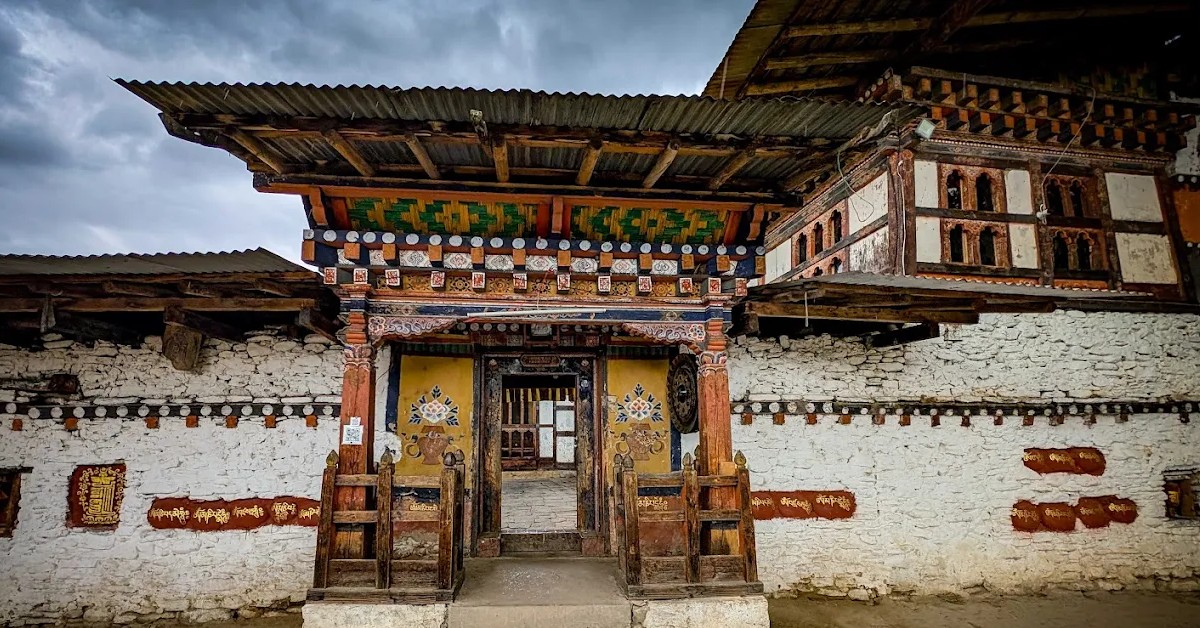
Lhakhang Karpo, the White Temple of Haa Valley, Bhutan

Lhakhang Karpo, the White Temple of Ap Chundu in Haa Valley

Lhakhang Karpo, also known as the White Temple, is traditionally attributed to the Tibetan Dharma King Songtsen Gampo and associated with the year 659 CE. Local religious tradition connects it with the group of 108 temples said to have been built to subdue a demoness obstructing the spread of Buddhism across the Himalayan region.

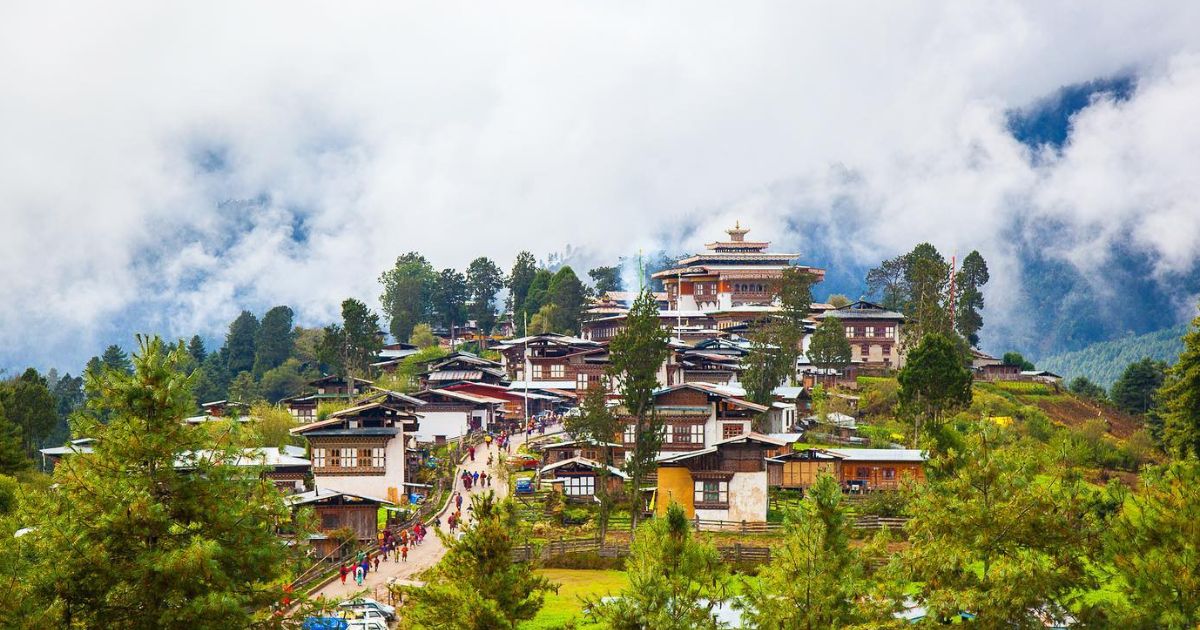
Gangtey Monastery (Gangteng Goenpa) in Phobjikha Valley, Bhutan

Gangtey Monastery, the Temple of Secret Mantra Prophesied by Pema Lingpa

Gangtey Monastery, also known as Gangteng Sang Ngag Choling Monastery or Gangtey Goenpa, is a four-story monastery founded by the first Gangteng Tulku, Pema Thinley, a grandson of Terton Pema Lingpa, in 1613. The monastery was built according to Pema Lingpa’s prophecy. It is one of the main centers of Pema Lingpa, situated on a hill in Phobjikha Valley, Wangdue Phodrang Dzongkhag, at an altitude of 3,000 meters.

Phajoding Monastery, sacred Buddhist retreat complex in the mountains above Thimphu, Bhutan

Phajoding Monastery, the Temple of Doctrine on the Vulture Peak

Phajoding Monastery, also known as Phajoding Sheydrup Ling Buddhist Institute, is a historic meditation and monastic complex above Thimphu. Tradition associates its founding as a meditation hermitage with Phajo Drugom Zhigpo in the 13th century. Its name is commonly understood as “Phajo’s spacious land”. Set on a high ridge below Thujidra Goenpa, the monastery overlooks the Thimphu Valley and remains an important place of Drukpa Kagyu practice.

Phajoding forms part of the wider sacred landscape associated with Guru Rinpoche and the Drukpa Kagyu lineage established in Bhutan by Phajo Drugom Zhigpo.