Skip to content

Pilgrimage

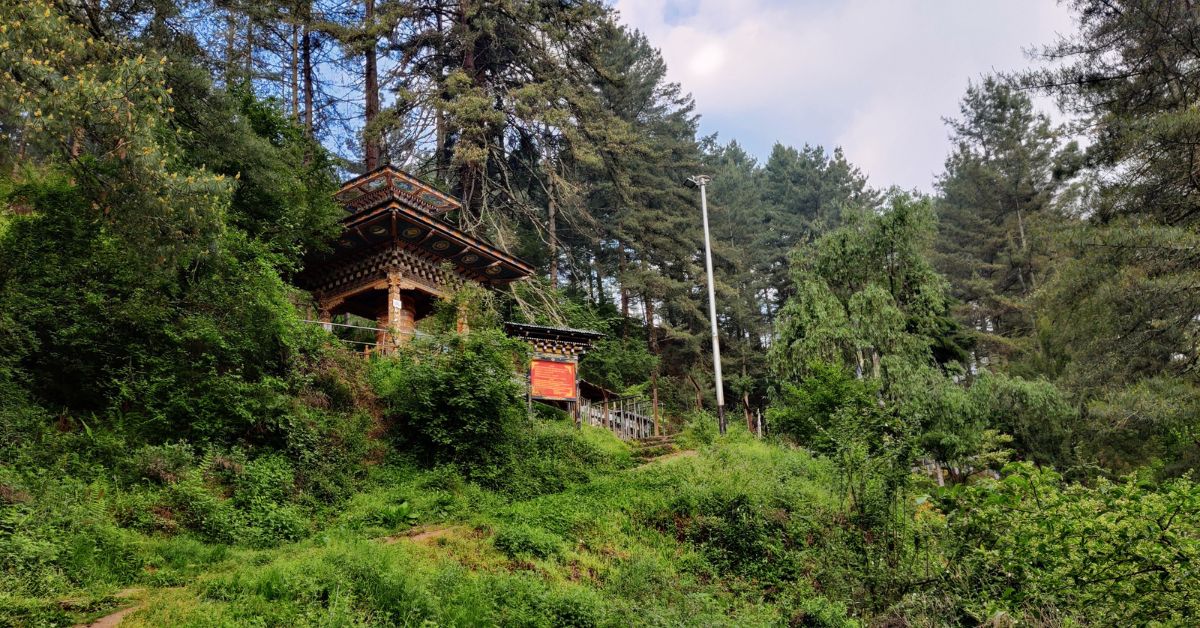
Chimi Lhakhang, the temple associated with Drukpa Kunley in Sopsokha, Punakha, Bhutan

Chimi Lhakhang, the Fertility Temple of Divine Madman

Chimi Lhakhang is a fertility temple associated with Drukpa Kunley, the Divine Madman, perched on a rounded hillock said to resemble a woman’s breast in Lobesa village, Barp Gewog, Punakha Dzongkhag, at an altitude of about 1,300 metres. Lam Ngawang Choegyal built the temple in 1499, beside the site where Drukpa Kunley is traditionally said to have subdued a demoness of Dochu La with his “flaming thunderbolt of wisdom”. The temple’s name is commonly explained through the local expression Chi-med, meaning “no dog”, and the story of the demoness who took the form of a dog.
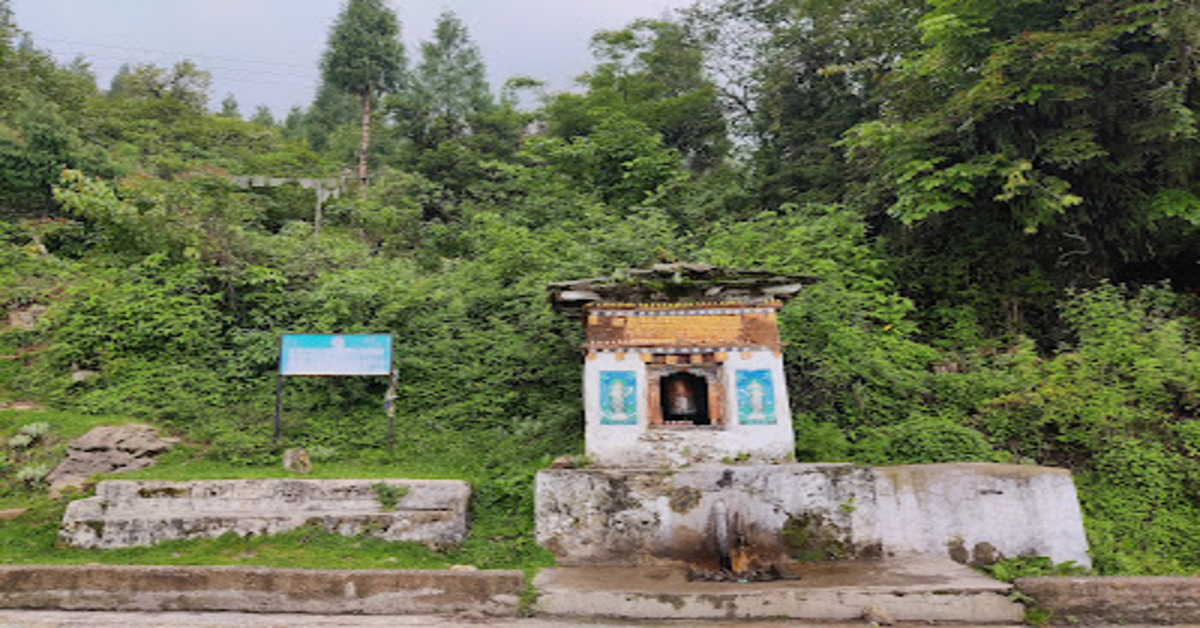
Tsheringma Drupchhu, sacred spring in Trongsa, Bhutan

Tsheringma Drupchhu: Sacred Spring, Oral History and Local Beliefs

Tsheringma Drupchhu is a sacred spring associated with the goddess Tsheringma, located in Zalamchu near Tshangkha village in Tangsibji Gewog, Trongsa Dzongkhag. In local tradition, the water is linked with blessings for long life and a melodious voice. These associations are part of the community’s religious and oral heritage; they are not established medical or scientific effects. For a wider introduction to Bhutan’s sacred springs, see our guide to Drupchhu or holy spring waters in Bhutan.

Kyichu Lhakhang temple in Paro, Bhutan

Kyichu Lhakhang, the Sacred Jewel of Bhutan

Kyichu Lhakhang is one of the oldest temples in Bhutan, built by Songtsen Gampo in 659 CE. It was built as part of the 108 temples constructed in a single day to pin down an ogress who was opposed to the spread of Buddhism. Paro Kyichu Lhakhang Temple is located in the north of Paro town under Lamgong Gewog of Paro Dzongkhag.

Dokhachu Goenpa, the temple dedicated to the wish-granting goddess Ekajati in Chapcha, Chukha, Bhutan

Dokhachu Goenpa, Chapcha: Sacred Ekajati Temple & Visitor Guide

Dokhachu Goenpa, also known as Chapcha Dargay Choeling Goenzin Dratshang or Ekajati Lhakhang, is a Buddhist monastery in Chapcha Gewog, Chukha Dzongkhag. Founded in 1650 by Choeje Lama Thinley Jamtsho, the temple is associated with Lhamo Ekajati, also known locally as Aum Kangchim. Its sacred landscape includes the distinctive upright boulder from which the name Dokhaker is derived. The monastery’s history and religious traditions make it an important place of worship for devotees.

Yongla Goenpa, the historic monastery on a phurba-shaped hill in Pemagatshel, eastern Bhutan

Yongla Goenpa, Pemagatshel: Sacred Monastery on a Phurba-Shaped Hill

Yongla Goenpa, also known as Yongla Riwo Pelbar Dargeychholing Goenpa or Pelri Gonpa, is a revered monastery in Zobel Gewog, Pemagatshel. It stands on a mountain ridge traditionally said to resemble a phurba, the ritual dagger used in Vajrayana Buddhist practice. The sacred site is associated with Kheydrup Jigme Kuendrel, a disciple of Rigzin Jigme Lingpa, who is believed to have discovered and blessed the place in the 18th century. The monastery’s construction is traditionally linked to the second Yongla Lam, Dorji Jamtsho, around 1736.

Jambay Lhakhang, one of Bhutan’s oldest Buddhist temples in Bumthang, traditionally dated to 659 CE

Jambay Lhakhang, Bumthang: History, Sacred Relics & Visitor Guide

Jambay Lhakhang, also known as Jampa Lhakhang, is one of Bhutan’s oldest and most revered temples. Located in Changwang village in the Choekhor Valley of Bumthang, it is dedicated to Jowo Jampa (Maitreya), the Buddha of the future. Bhutanese tradition attributes the temple’s founding to the Tibetan King Songtsen Gampo and gives the date as 659 CE. It is remembered as one of the 108 temples said to have been built across the Himalayan region to subdue a demoness whose body was believed to obstruct the spread of Buddhism. The temple remains a living place of worship and is especially known for the annual Jambay Lhakhang Drup, with its sacred fire blessing and Tercham dance.

Traditional Bhutanese drupchhu, or sacred spring water, collected at a pilgrimage site

Drupchhu in Bhutan: Sacred Spring Waters, Beliefs & Visitor Guide

Drupchhu or holy spring waters are considered to be blessed water, often extracted from a cliff or a sacred place by a spiritual person. Many holy spring waters in Bhutan are said to have been extracted by Guru Rinpoche. The holy springs may or may not have medicinal value, but are considered to have a great spiritual power to liberate one from suffering if one drinks them.

Menchu, traditional medicinal hot or mineral spring water at a Bhutanese healing spring

Menchu in Bhutan: Medicinal Springs, Traditions & Visitor Guide

Menchu refers to mineral or medicinal springs in Bhutan. These natural waters are valued in local communities for bathing, traditional wellness practices and spiritual significance. Some springs are associated with Buddhist masters and sacred-site legends. The term “medicinal” reflects traditional classification and use; it does not mean that the water is proven to cure disease.