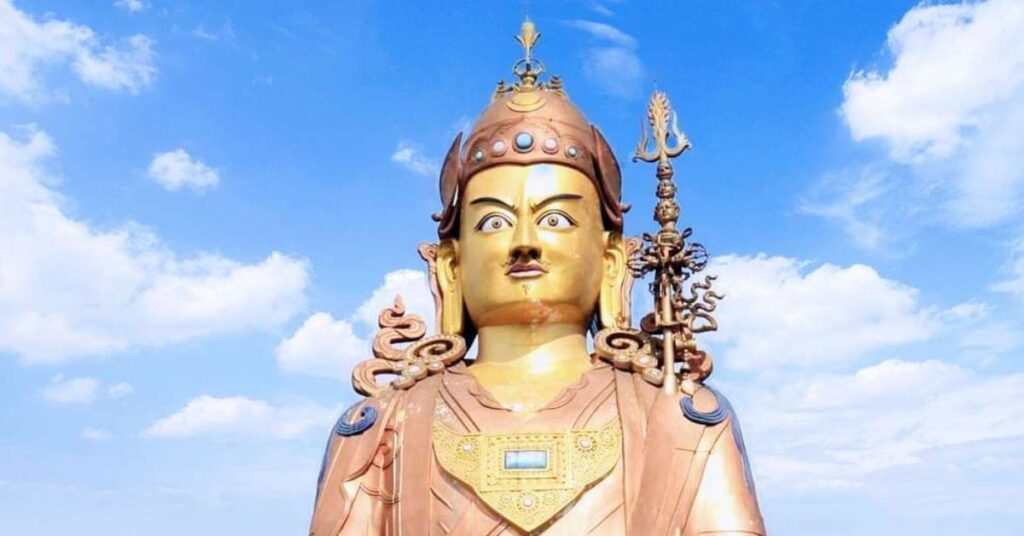
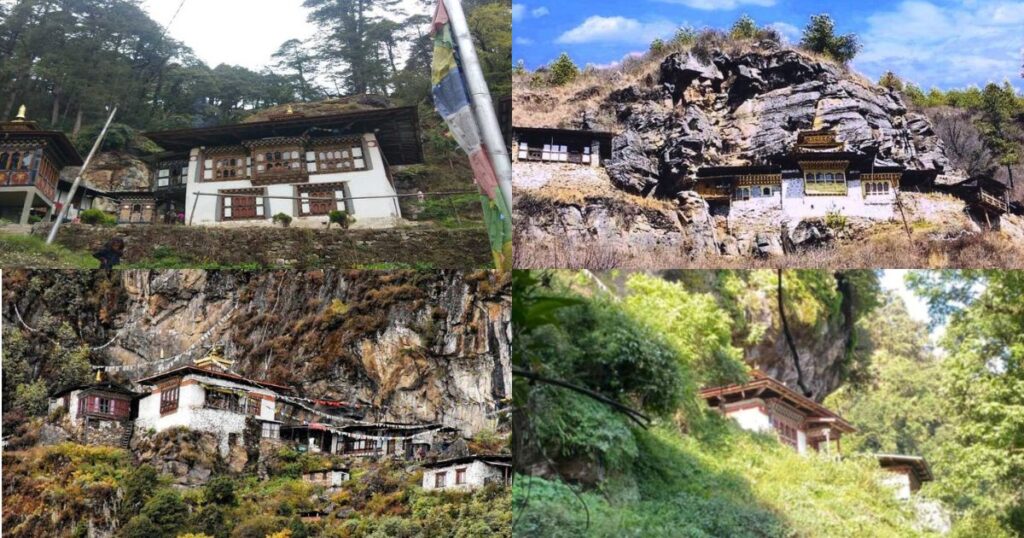
The 4 sacred cliffs of Guru Rinpoche entrusted to Phajo Drugom Zhigpo are Dechen Drak, Gomdrak, Thujidrak, and Tshechudrak. Guru Rinpoche visited Bhutan three times in the 8th century and blessed the land as Beyul. Today, the blessed places have become sacred sites for Buddhist pilgrimage in Bhutan.
According to Phajo Drugom Zhigpo’s biography, Guru Rinpoche entrusted his Twelve Meditation Places to Phajo in a prophetic vision while meditating in Paro Taktsang Sengye Samdrup Dzong.
Also Read: Guru Rinpoche in Bhutan: His Visits to Bhutan and Sacred Sites
Guru Rinpoche said, “I am entrusting to you twelve of my meditation places, which consist of four Dzongs (fortresses), four Draks (cliffs), and four Phugs (caves); you have to plant the Victory Banner of Practice in all of these.”
Among the twelve meditation sites are the four great cliffs entrusted to Phajo Drugom Zhigpo in the 13th century.
Also Read: Phajo Drugom Zhigpo in Bhutan: The Sacred Sites of Phajo Drugom Zhigpo and his Descendants
The 4 Great Meditation Cliffs of Guru Rinpoche entrusted to Phajo Drugom Zhigpo
The 4 sacred cliffs of Guru Rinpoche entrusted to Phajo Drugom Zhigpo are:
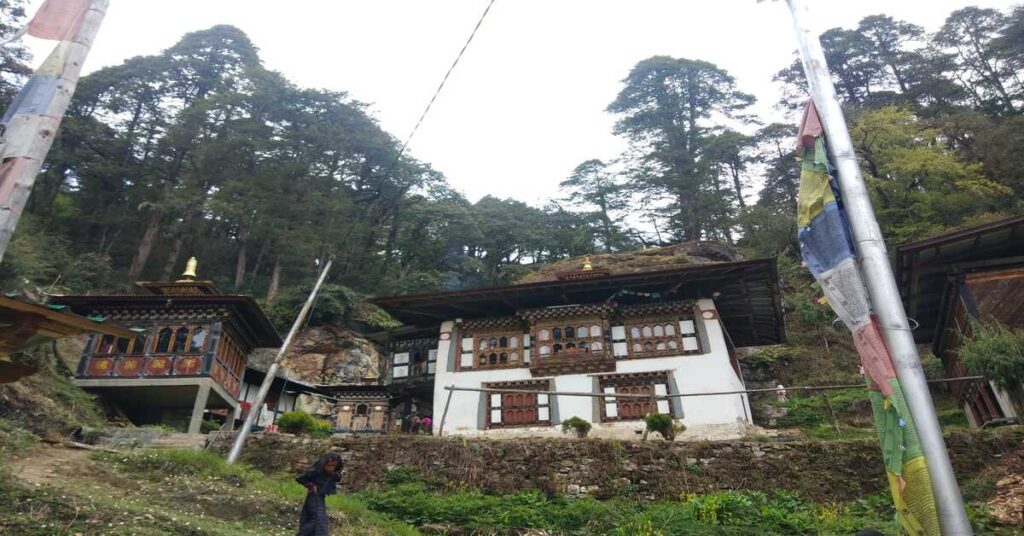
1. DechenDrak, one of the 4 sacred cliffs of Guru Rinpoche, entrusted to Phajo Drugom Zhigpo
Dechendrak or Dechen Draphu, the “Cliff of Great Bliss,” is one of the 4 sacred cliffs of Guru Rinpoche entrusted to Phajo Drugom Zhigpo. This sacred cliff is located at 3,053 meters in Sha Khotakha, Wangdue Phodrang Dzongkhag. It is said that Phajo received the vision of the Mandala of Eight Precepts, signifying the spread of Drukpa Kagyu teachings in Bhutan.
The holy site features a cliff cave where Guru Rinpoche meditated, imprints of his Dharma robe and hat, and footprints of his riding elephant. You can also find a chorten built by Phajo Drugom Zhigpo in the 13th century.
Dechen Draphu Nye is accessible via a half-hour drive from the Rinchenling Shedra junction or an hour from Khothangkha Dolangdo. The site is open from 7 AM to 5 PM, and the best time to visit is winter or spring. Despite its sacredness, Dechen Draphu remains relatively unexplored due to its remote location.
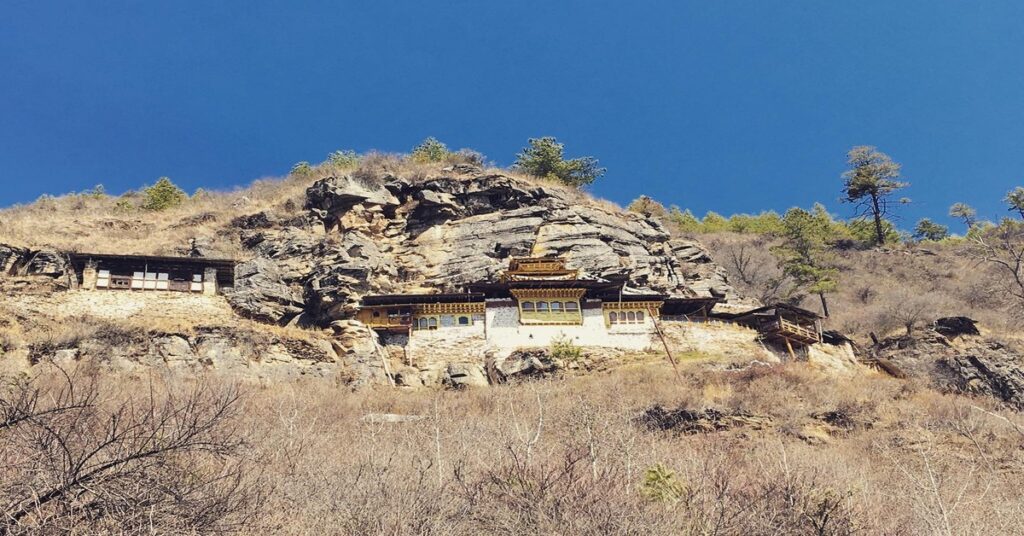
2. GomDrak, one of the 4 sacred cliffs of Guru Rinpoche, entrusted to Phajo Drugom Zhigpo
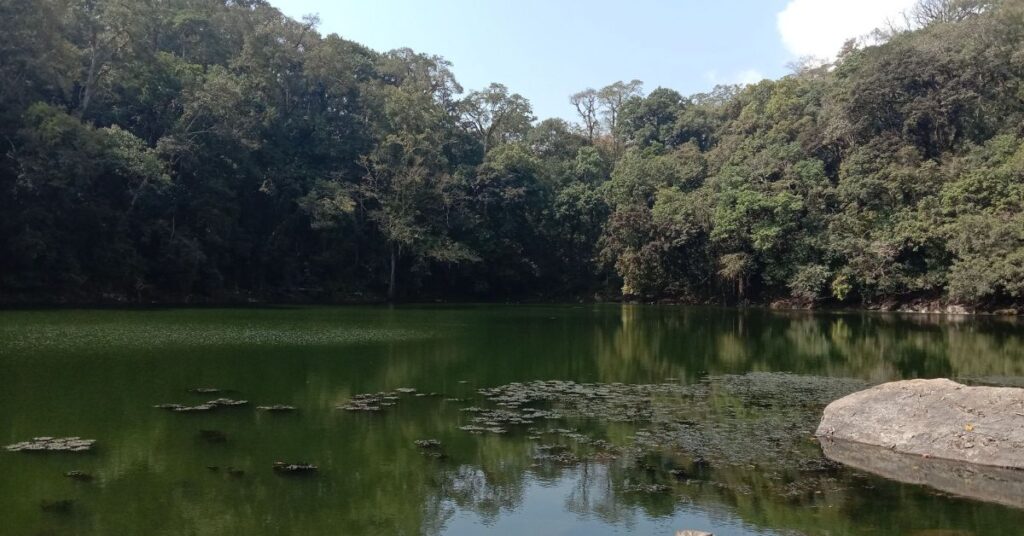
Gomdra, the “Enlightenment Place,” is one of the 4 sacred cliffs of Guru Rinpoche entrusted to Phajo Drugom Zhigpo. This sacred cliff is located in Paro at over 2200 meters above sea level. It is said that Phajo Drugom Zhigpo meditated on the Gomdralo cliff and experienced clear light day and night.
The sacred cliff features several important relics, including a Sleeping Buddha, a statue of Guru Rinpoche, and various sacred caves and Chortens. It also features a small temple complex built upon a meditation cliff cave dating back to the 8th century.
Gomdra Monastery is accessible via a 40-minute hike from a nearby road point. The ideal seasons for visiting Gomdra Nye are spring and autumn, when weather conditions are more favorable.
Read More: Gomdra, the “enlightenment place” where Phajo Drugom Zhigpo experienced clear light day and night
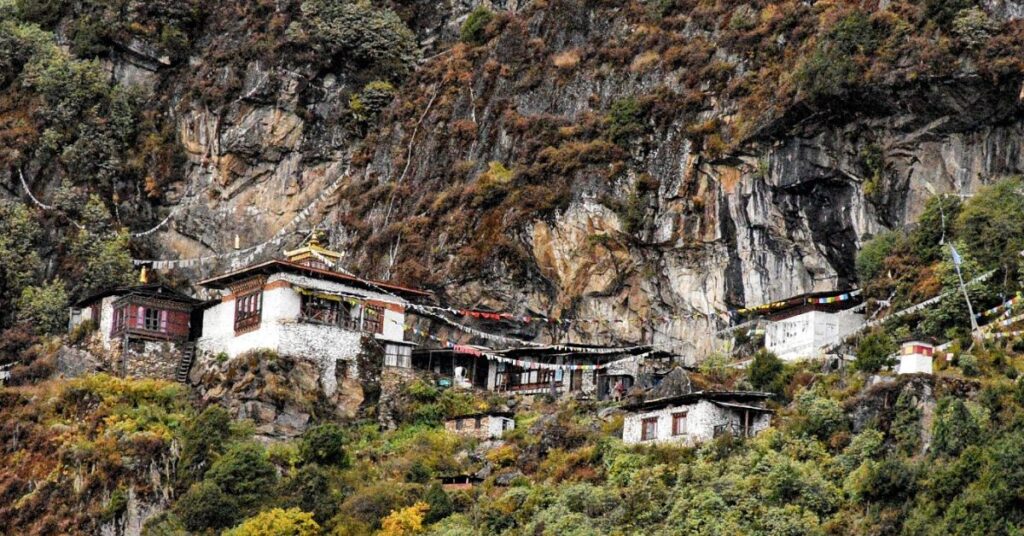
3. ThujiDrak, one of the 4 sacred cliffs of Guru Rinpoche, entrusted to Phajo Drugom Zhigpo
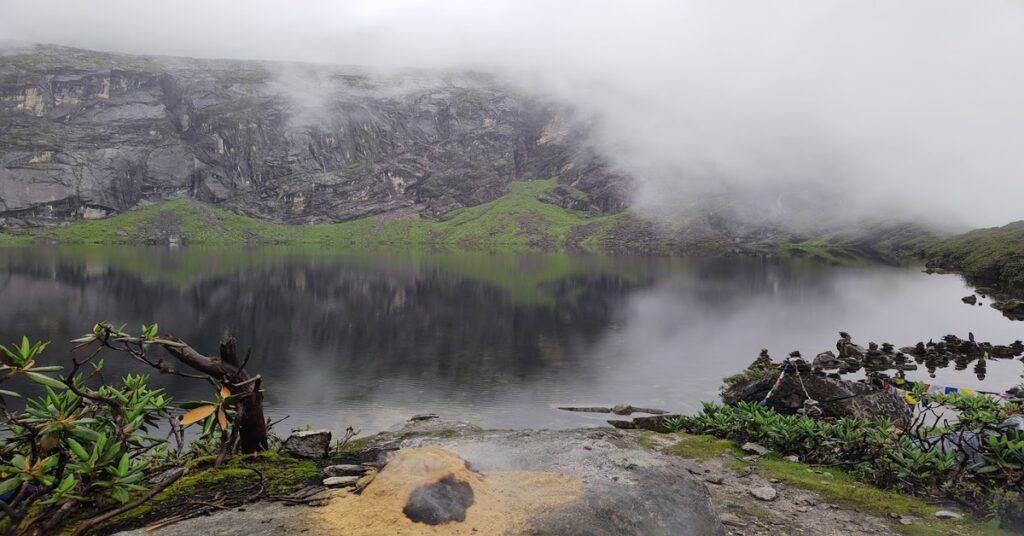
Thuji Dra, the “Cliff of Compassion”, is one of the 4 sacred cliffs of Guru Rinpoche entrusted to Phajo Drugom Zhigpo, where he had a vision of Chenrezig, the Bodhisattva of Compassion. This sacred cliff is in Thimphu at an elevation of 4,000 meters.
The holy site features a natural altar and a holy spring, or Drupchhu, known for its healing properties, particularly for speech impairments. Thujidrak also has a temple built by Phajo in the 13th century that serves as a meditation center.
Thujidra can only be reached by hiking. It is a 5 km uphill hike from Thimphu and takes approximately 4-5 hours to reach Thuji Dra. The ideal times for hiking to Thujidra are during spring and autumn when the weather is more favorable.
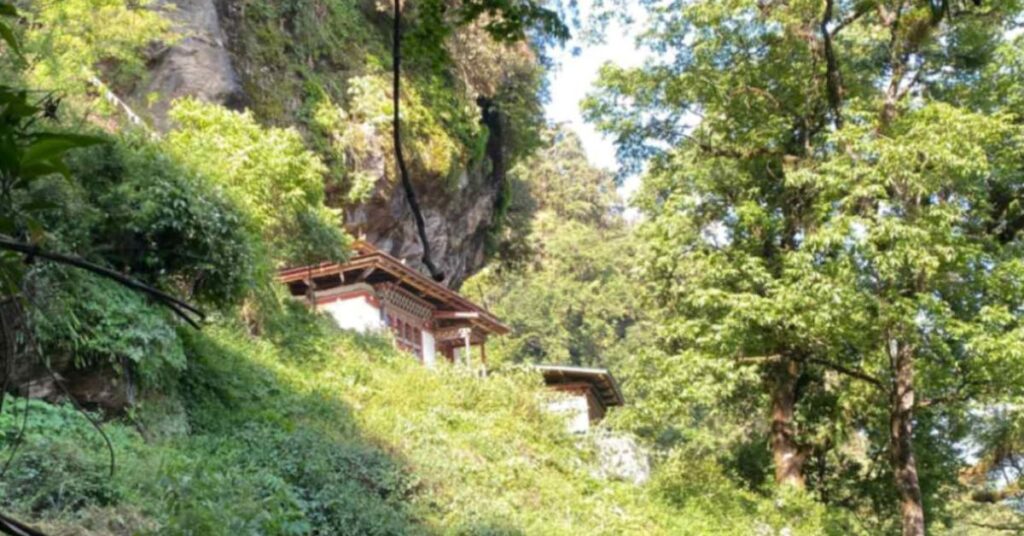
4. Tshechu Drak, one of the 4 sacred cliffs of Guru Rinpoche entrusted to Phajo Drugom Zhigpo
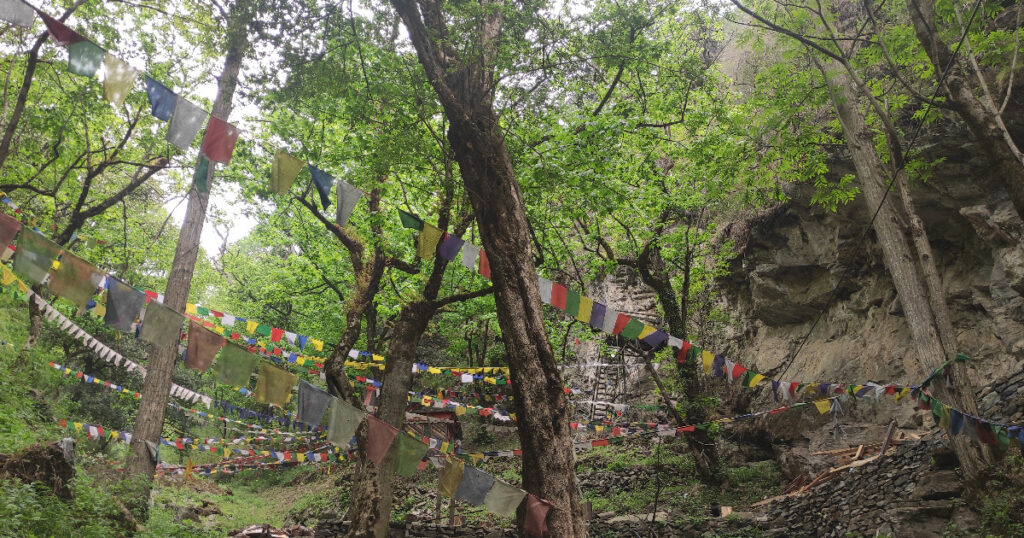
Tshechu Dra, the “Cliff of Longevity Water,” is one of the 4 sacred cliffs of Guru Rinpoche entrusted to Phajo Drugom Zhigpo. This sacred cliff is nestled in the Panikong village of Gasa Dzongkhag at an elevation of 2,335 meters. It is said that Phajo conducted a Ganachakra of the Four Types of Khandromas, and for three days, a rain of nectar fell from the sky.
The sacred site features spiritual relics, including meditation caves, self-arisen letters, and the walking stick of Guru Rinpoche. The main attraction of Tshechudra is the Chimed Tse Duetsi, or the longevity water of Guru Rinpoche, flowing from the cliff.
Tshechu Dra is 42 kilometers from Punakha Dzong to Panikong village, followed by an hour’s trek. Early spring and autumn are ideal seasons for pilgrimage.
Conclusion
Guru Rinpoche’s visits to Bhutan in the 8th century established numerous sacred sites that continue to attract pilgrims today. The four great cliffs entrusted to Phajo Drugom Zhigpo serve as spiritual landmarks, embodying unique relics of the Guru’s meditative practices. You can visit these 4 sacred cliffs with the Bhutan Pilgrimage Package.
Frequently Asked Questions
What are the four sacred cliffs of Guru Rinpoche in Bhutan?
The 4 sacred cliffs of Guru Rinpoche in Bhutan are known as Dra Zhi, a group of four great meditation cliffs located in Bumthang Dzongkhag where Guru Rinpoche meditated in the 8th century to subdue Shelging Karpo, the powerful local deity of Bumthang. These cliffs are Choedrak, Kunzangdrak, Shukdrak (Shuk Drak Goenpa), and Thowadra, each serving as a sacred site where Guru Rinpoche performed intense meditation, blessed the land, and transformed negative forces into protectors of Buddhism.
Where are the four sacred cliffs of Guru Rinpoche located?
The 4 sacred cliffs of Guru Rinpoche are all located in Bumthang District, central Bhutan, within the Chumey and Tang valleys. Choedrak Monastery sits at 3,800 meters on the northern ridge of Tharpaling, commanding panoramic views of the Chumey valley. Kunzangdrak is situated on the way to the Tang valley, Shukdrak Goenpa is in Choekhor Gewog, and Thowadra Monastery is in the Tang valley. Together, these four cliffs form a sacred pilgrimage circuit known as Dra Zhi, attracting devotees and trekkers seeking spiritual blessings and stunning Himalayan scenery.
What is the history and significance of the four sacred cliffs?
According to Bhutanese Buddhist tradition, Guru Rinpoche visited Bumthang in the 8th century after being invited by King Sindhu Raja, whose son had been killed by the local deity Shelging Karpo. Guru Rinpoche meditated at these four cliffs to gain the spiritual power needed to subdue Shelging Karpo and restore the life force of the king’s son. Each cliff represents a place where Guru Rinpoche blessed the land, transformed obstacles into spiritual protection, and established Buddhism in the region. These sites are now revered as powerful meditation retreats where pilgrims can receive blessings for spiritual progress and protection from negative forces.
How do I visit the four sacred cliffs in Bumthang?
Visiting the 4 sacred cliffs of Bumthang typically requires a multi-day trek or guided tour through the Chumey and Tang valleys. Most travelers start from Bumthang town and visit Choedrak Monastery first, which is accessible by a moderate hike from Tharpaling. Kunzangdrak, Shukdrak, and Thowadra require further trekking through forested valleys and high mountain passes, often taking 3–5 days to complete the full circuit. Local guides and tour operators in Bumthang can arrange permits, porters, and accommodation in traditional farmhouses or monastic guesthouses along the route. The best time to visit is during spring (March to May) and autumn (September to November) when weather conditions are favorable for trekking.
What can I expect at each of the four sacred cliffs?
Each of the 4 sacred cliffs offers unique spiritual and natural experiences. Choedrak Monastery features ancient meditation caves, religious murals, and panoramic views of the Chumey valley from 3,800 meters. Kunzangdrak is known for its serene hermitage setting and association with Guru Rinpoche’s meditation on compassion. Shukdrak Goenpa houses sacred relics and is believed to be where Guru Rinpoche gained the power to subdue local deities. Thowadra Monastery, perched dramatically in the Tang valley, offers stunning views and is a site of intense spiritual energy where pilgrims perform prayers and circumambulation. All four sites feature traditional Bhutanese architecture, prayer flags, and opportunities for meditation and blessings.
What is the best time to visit the four sacred cliffs?
The ideal time to visit the 4 sacred cliffs of Bumthang is during spring (March to May) and autumn (September to November), when weather conditions are mild, skies are clear, and trekking routes are safe and accessible. Spring offers blooming rhododendrons and vibrant wildflowers along the trails, while autumn provides crisp air, clear mountain views, and colorful foliage. Summer months (June to August) are possible but may be affected by monsoon rains, making trails slippery and leech-infested. Winter visits (December to February) are challenging due to snow at higher elevations and cold temperatures, though experienced trekkers may still attempt the circuit with proper preparation.
Are there any entry fees or restrictions for visiting the four sacred cliffs?
There are no formal entry fees for visiting the 4 sacred cliffs of Bumthang, as they are active religious sites open to pilgrims and travelers. However, visitors must obtain the necessary trekking permits through a licensed Bhutanese tour operator, as independent trekking is not permitted in Bhutan. Daily tourist fees and Sustainable Development Fees (SDF) apply as per Bhutan’s tourism regulations. Visitors are expected to dress modestly, remove shoes before entering temple areas, and respect local customs by speaking softly, avoiding littering, and circumambulating sacred sites clockwise. Donations to monasteries and hermitages are welcome but not mandatory.
What nearby attractions can I combine with the four sacred cliffs?
The 4 sacred cliffs of Bumthang can be easily combined with other cultural and natural attractions in central Bhutan. Nearby highlights include Tamzhing Monastery (founded by Pema Lingpa), Kurjey Lhakhang (where Guru Rinpoche left his body imprint), Mebar Tsho (the Burning Lake), and Ugyen Chholing Palace. Travelers can also explore the scenic Phobjikha Valley, Gangtey Goemba (home to black-necked cranes), and the hot springs of Gasa. The Dra Zhi circuit is often part of broader Bumthang cultural tours that include visits to local villages, traditional weaving centers, and seasonal festivals such as the Bumthang Dratse or Tharpaling festival.