
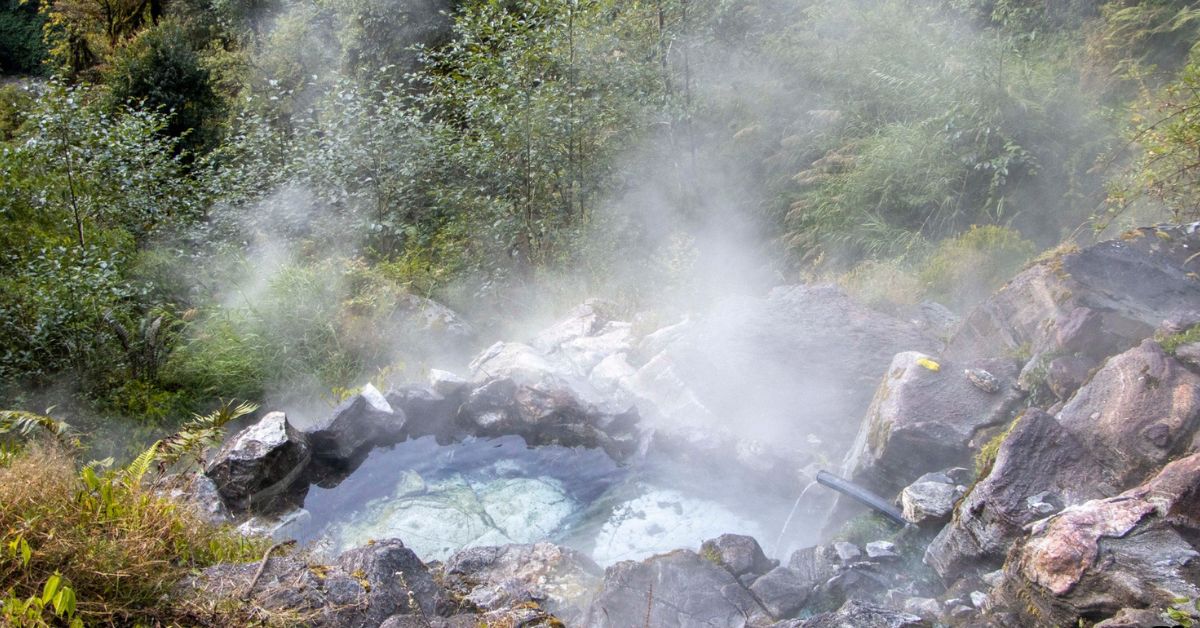
Khambalung Ney Tshachu, also known as Khempa-Jong Nye Tshachu or Kurtoe Nye Tshachu, is a revered sacred hot spring in the Kurtoe region of Lhuentse Dzongkhag, eastern Bhutan. It lies at approximately 2,157 metres above sea level. According to the sacred tradition of the site, Guru Rinpoche blessed the spring in the 8th century. It was later prophesied by Khandro Yeshey Tshogyal and revealed by Terton Pema Lingpa in 1475.
Planning a visit to Khambalung Ney Tshachu?
This remote sacred hot spring in Kurtoe requires careful preparation. Contact Bhutan Pilgrimage for guidance on the trekking approaches, seasonal access and local arrangements before you travel.
WhatsApp UsHowever, very few people visit the Tshachu, despite its sacredness and historical significance, compared to other hot springs, due to the long and arduous journey to reach it.
Despite its religious significance, Khambalung Ney Tshachu remains less visited than hot springs that are easier to reach because the journey is long and demanding. Visitors have traditionally come mainly from Lhuentse, Mongar, Trashigang, Trashi Yangtse and Bumthang.
Other well-known hot springs in Bhutan include Chubu Tshachu and Koma Tshachu in Punakha, Duenmang Tshachu in Zhemgang, Gasa Tshachu in Gasa, and Gelephu Tshachu in Sarpang.
Table of Contents
How to Reach Khambalung Ney Tshachu
Khambalung Ney Tshachu lies to the south of the sacred site of Baeyul Khen-pa-jong Nye. Local route accounts describe two approaches. One is from Ney Pema Choling, crossing the Yangri Gang River and continuing on foot; this approach takes about a day. The other is through Kurtoe Dungkhar Village and takes around two days. The walking time depends on the starting point, trail conditions and pace, so arrange the route with people familiar with the area before setting out.
Also Read: How to Reach Gasa Hot Spring
The Trek Route of Khempajong Ney Tshachu
- Start from Lhuentse town and travel towards Ney village in Gangzur Gewog; allow around two hours by road, depending on the exact starting point and conditions.
- From Ney village, the walk to Khambalung Ney Tshachu takes about one day.
- An alternative approach through Kurtoe Dungkhar Village is reported to take around two days on foot.
Also Read: How to Trek to Dur Hot Spring in Bumthang
The History and Origin of Khambalung Ney Tshachu
Khambalung Ney Tshachu is considered part of Bayul Ney, a hidden sacred land blessed by Guru Rinpoche in the 8th century, which was prophesied by Khandro Yeshe Tsogyal to be revealed by Terton Pema Lingpa. The prophecy is clearly indicated in one stanza of the prose-poem recorded as:
Pad-ma’-ming-can-lho-nes-‘hong
Spyod-pa-thog-‘joms-snya-tshogs-byad
Skyes-bu-las-can-di-nid-kyis
Lho-yi-phyogs-nes-sgo-‘byid-‘gyur.
According to the religious tradition associated with the site, Terton Pema Lingpa revealed Khen-pa-lung Ney Tshachu in 1475 and described it as a sacred spring blessed by Guru Rinpoche. The tradition attributes medicinal qualities to the water. This is a religious and cultural account, not evidence that the spring cures disease.
Khempajong Tshachu is also mentioned in another text, which reports nine hot springs in a place called Tashigang. Tashigang falls under Khen-pa-jong Ney. Khempajong was a land once inhabited by King Khikha Rathoe when he was exiled by King Trisong Detsen of Tibet in 775-797 A.D.
Also Read: The Origin of Chubu Tshachu in Punakha
Description of Khempajong Ney Tshachu
There are only three pools in proximity, called Guru Tshachu, Tsepame Tshachu, and Khandro Tshachu, currently in use, though the literature reports the presence of nine pools.
The biggest of the three hot springs is the Guru Tshachu, a hot spring of Guru Rinpoche at the foot of the cliff with a stunning waterfall. There is a channel carved in the stone near the Guru Tshachu. According to a legend, when Guru Rinpoche was dipping in the hot spring pool, a demon channeled cold water towards the hot pool. However, Guru Rinpoche diverted it by creating a channel in the stone with the use of his magical weapon, preventing the cold water from getting into the hot spring.
The second pool, Tshepamey Tshachu, is located just below the Guru Tshachu, while the third pool, Khandro Tshachu, is on the right side. Khandroi Tshachu pool is within a beautiful bowl curved naturally out of stone.
Also Read: Description of Gelephu Tshachu
Bhutanese Beliefs on Khambalung Ney Tshachu
People believe that it cleanses one’s defilements and sins, apart from curing physical ailments.
People believe that the guardian deity of Khabalung Ney Tshachu, gNod-sbyin-rgod-ma-kha, disapproves of the presence of people who attended the delivery of babies or funerals, and menstruating women. So be careful while visiting the Kurtoe Nye Tshachu.
On reaching the Tshachu, first and foremost, one must pay homage to the guardian deity by reciting a prayer. The prayer is as follows:
gNod-sbyin-chen-po-rgod-ma-kha
Ngyur-smrig-gos-gyon-rkang-gling-‘bud
Kha-char-bu-yubs-thog-ser-gtong
Yul-bdag-chen-po-khyod-la-bstod.
The guardian deity is also believed to wrathfully punish those who shout, throw, or burn meat, defecate, and engage in sexual intercourse with severe punishments like sudden snowfalls, hailstones, lightning, and thunderstorms.
Local ritual guidance describes prayers, offerings and consultation with a traditional physician or astrologer as part of a visit. These practices belong to the religious and cultural tradition of the site. They should not replace medical advice, and visitors should follow safe bathing practices and local instructions.
Offerings such as incense, rice or small donations are described in local custom as expressions of gratitude and prayers for well-being. They are devotional practices rather than medical treatment.
Traditional Uses and Bathing Safety
In traditional gSowa-Rigpa accounts, the first pool, Guru Tshachu, is associated with indigestion and certain wind- and phlegm-related complaints. Earlier descriptions also record its mineral content and water temperature, but these observations can vary with conditions and do not establish that bathing cures disease.
The second pool, Tshepamey or Tshepamed Tshachu, is traditionally associated with digestive complaints and disorders affecting the bones and tendons. These descriptions reflect traditional medical knowledge and local practice, rather than proof of clinical effectiveness for fractures, atrophy or other conditions.
The third pool, Khandro Tshachu, is traditionally associated with complaints described in gSowa-Rigpa as gout, wind and bile disorders, and joint or mobility problems. These are traditional indications, not established cures for rheumatoid arthritis, polio, paralysis or other diseases.
Local accounts also associate the pools with skin conditions, fractures and chronic wounds. These are traditional beliefs and reported uses, not clinically proven treatments. Do not use hot-spring bathing as a substitute for wound care, infection treatment or medical assessment.
Hot-spring bathing may not be suitable for everyone, particularly people with cardiovascular conditions, pregnancy, acute illness or other health concerns. If you are unsure whether bathing is safe for you, seek advice from a qualified health professional and follow local instructions. Avoid prolonged exposure, leave the pool if you feel unwell, and do not enter water that appears unsafe or contaminated.
Also Read: Therapeutic Values or Ethnopharmacological Benefits of Duenmang Tshachu
Accommodation at Khambalung Ney Tshachu
A guest house with bathroom facilities has been reported in the Khempa Lung Tshachu area, and camping nearby may be possible. As this is a remote destination, do not assume that rooms, food or other services will be available when you arrive. Confirm accommodation, permission to camp and other arrangements with local contacts before beginning the trek.
Visitor Information and Etiquette
Khambalung Ney Tshachu is both a natural hot spring and a place of religious importance. Visitors should respect the beliefs and instructions of the local community, keep the pools and surrounding area clean, avoid loud or disruptive behaviour, and never leave rubbish behind. Ask before photographing people or sacred features, and follow any local restrictions on offerings or activities.
The journey is remote and involves a substantial walk. Travel with someone familiar with the route, carry sufficient drinking water, food, warm and waterproof clothing, and a basic first-aid kit. Let local contacts know your plans and expected return time. Check weather, river crossings and trail conditions before leaving; do not attempt the route during unsafe conditions.
Best Time to Visit Khambalung Ney Tshachu
The commonly recommended time to visit Khambalung Ney Tshachu is from November to the end of March. After March, access can become difficult as the monsoon approaches and trail conditions change. Weather in the mountains can be unpredictable, so check local conditions before departure and avoid starting the trek if the route is unsafe. You can also explore other sacred hot springs in Bhutan through our guide to Bhutan’s hot springs.
Frequently Asked Questions
What is Khambalung Ney Tshachu?
Khambalung Ney Tshachu, also known as Khempa-Jong Nye Tshachu or Kurtoe Nye Tshachu, is a sacred hot spring in Kurtoe, Lhuentse. It is associated with Guru Rinpoche and is traditionally said to have been revealed by Terton Pema Lingpa in 1475.
Where is Khambalung Ney Tshachu located?
The hot spring lies in the Kurtoe area of Lhuentse, south of the sacred site of Baeyul Khen-pa-jong Nye. One approach is through Ney village in Gangzur Gewog, followed by a long walk to the pools.
What is the altitude of Khambalung Ney Tshachu?
The Lhuentse tourism guide gives an altitude of approximately 2,157 metres above sea level. The figure may vary slightly depending on the exact point measured.
How long does it take to reach Khambalung Ney Tshachu?
From Lhuentse town, the drive towards Ney village in Gangzur Gewog takes around two hours. The walk from Ney village takes about one day. An alternative approach through Kurtoe Dungkhar Village is reported to take around two days on foot. Confirm the route and conditions with local guides before departure.
When is the best time to visit?
The commonly recommended visiting period is November to the end of March. Access can become difficult with the onset of the monsoon, so check current trail, river-crossing and weather conditions before travelling.
Is accommodation available at the hot spring?
A guest house with bathroom facilities has been reported in the Khempa Lung Tshachu area, and camping nearby may be possible. Confirm current availability and local arrangements before beginning the trek.
Are the hot spring’s healing benefits medically proven?
The pools have traditional therapeutic associations in Bhutanese medicine and local practice. These beliefs should not be taken as proof that bathing cures illness or as a substitute for medical advice. People with health concerns should consult a qualified healthcare professional before bathing.
Plan a Kurtoe pilgrimage
Make your visit to Khambalung Ney Tshachu well prepared
The journey to this remote sacred hot spring takes planning. Contact Bhutan Pilgrimage to discuss the trekking route, walking time, accommodation and local arrangements before setting out.
Enquire About Your Visit