
Bhutan is a country where pilgrimage is woven into everyday life. People visit temples to make offerings, circumambulate chortens, receive blessings, attend religious ceremonies and revisit places connected with Buddhist masters and local spiritual traditions. A pilgrimage may be a short visit to a neighbourhood lhakhang, a journey across several valleys, or a demanding walk to a remote sacred site. This guide introduces the traditions, destinations and practical considerations that can help you plan a meaningful Bhutan pilgrimage.
Planning a Pilgrimage in Bhutan?
Tell us which sacred places you hope to visit, when you plan to travel and who will be joining you. We can discuss a suitable route, local conditions and a comfortable pace for your journey.
Contents
- What pilgrimage means in Bhutan
- Pilgrimage traditions and practices
- Important pilgrimage regions and sacred sites
- Neykor: making a pilgrimage journey
- Guru Rinpoche and Bhutan’s sacred landscape
- Religious festivals, teachings and blessings
- How to plan a Bhutan pilgrimage
- Respectful conduct at sacred places
- Frequently asked questions
What Does Pilgrimage Mean in Bhutan?
In Bhutan, pilgrimage is commonly known as neykor (also written as ney-khor). The word refers to visiting or circumambulating a sacred place. For many Bhutanese, it is an expression of devotion and a way to accumulate merit, receive blessings, remember the teachings of the Buddha and strengthen their connection with the Dharma.
A pilgrimage is not measured only by the distance travelled or the number of temples visited. A person may make a pilgrimage by walking around a chorten while reciting prayers, visiting a sacred spring, making butter-lamp offerings at a monastery, or travelling with family to a place associated with a revered master. The intention, conduct and devotion brought to the journey are central to its meaning.
Bhutan’s sacred landscape includes large monasteries and dzongs, village temples, meditation caves, sacred cliffs, lakes, springs, chortens and sites preserved through oral histories and religious traditions. Some places are easy to reach by road; others require long walks, high-altitude travel or several days of preparation. The significance of a site may be rooted in Buddhist history, the life of a spiritual master, a local protective deity or a tradition maintained by the community.
Pilgrimage Traditions and Practices
There is no single way to undertake a pilgrimage in Bhutan. The practices followed depend on the sacred place, the purpose of the visit, local custom and the religious occasion.
Circumambulation
Circumambulation, commonly called kora, is the practice of walking around a sacred object or place, usually in a clockwise direction in keeping with local Buddhist custom. People may circumambulate temples, chortens, sacred hills, lakes or entire pilgrimage sites while reciting mantras or prayers. Some routes are short and level; others are steep, rocky or at high altitude.
Offerings and prayers
Pilgrims may offer butter lamps, flowers, incense, water, fruit or other appropriate offerings. They may recite prayers, prostrate, make aspirations for the well-being of family members or request prayers from monks. The appropriate offering and procedure can differ between temples, so visitors should follow the guidance of the caretaker or local host.
Receiving blessings
Many Bhutanese visit monasteries and religious gatherings to receive blessings from high lamas, monks and sacred objects. Depending on the occasion, blessings may be given through prayers, the reading of scriptures, the distribution of blessed substances or the display of a sacred image or relic. Not every ceremony is open to visitors, and some have specific procedures or capacity limits.
Visiting sacred natural places
Bhutanese pilgrimage traditions also include sacred mountains, cliffs, caves, lakes and springs. These places may be associated with meditation, the subjugation of local forces, the discovery of religious treasures or the spiritual activities of Buddhist masters. Their significance is often preserved through local accounts and religious lineages. Visitors should approach them with care and avoid treating sacred natural sites as ordinary picnic or adventure destinations.
Important Pilgrimage Regions and Sacred Sites in Bhutan
Bhutan’s pilgrimage destinations are spread across the country. The following regional overview is a starting point, not a complete list. Many lesser-known sites are equally meaningful to the communities and religious traditions connected with them.
Paro: Taktsang and the sacred sites of the western valley
For a quieter pilgrimage in the upper Dopshari valley, explore Chumphu Ney, a sacred site reached by a forest hike and traditionally associated with Guru Rinpoche.
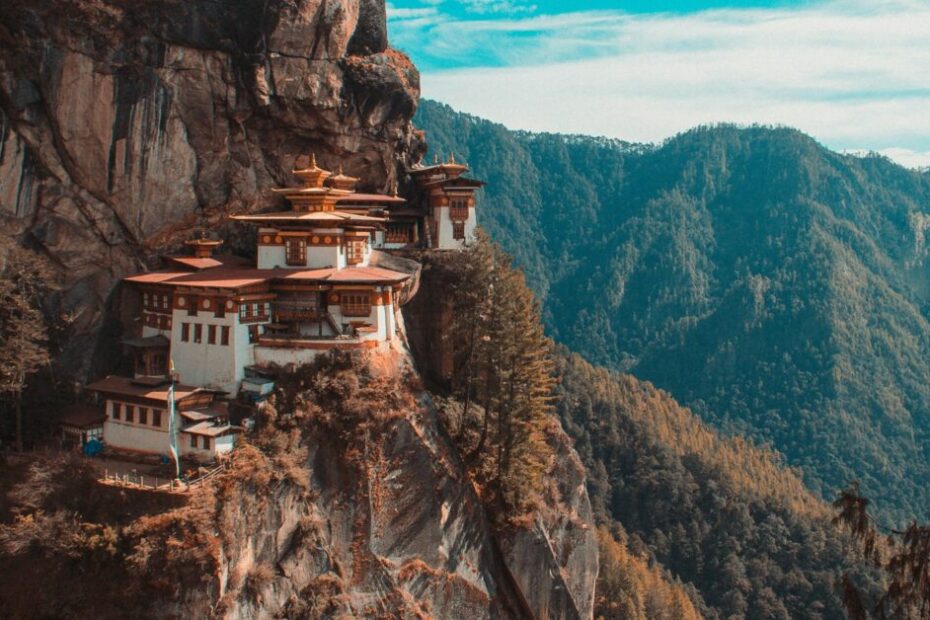
Paro Taktsang, widely known as Tiger’s Nest, is among Bhutan’s most recognised sacred places. It is closely associated with Guru Rinpoche, who is believed to have meditated in the cave at this location. The monastery is reached by a sustained uphill walk and a series of steps, so visitors should allow sufficient time and assess their fitness before setting out.
Other places to consider in Paro include Kyichu Lhakhang, one of Bhutan’s oldest temples by tradition, and Jangtsa Dumtseg Lhakhang. Dzongdrakha Goenpa offers another pilgrimage destination above the Paro valley. Check the local access arrangements and allow time for prayer and quiet observation.
Thimphu and the surrounding valleys
Thimphu has important monasteries, temples, chortens and meditation sites that can be visited as part of a shorter pilgrimage. These include the Memorial Chorten, Changangkha Lhakhang, Dechen Phodrang and several sacred sites in the surrounding valleys. Some destinations outside the main town require a local driver, a walk or advance coordination.
For visitors interested in sacred places associated with Guru Rinpoche, the valleys around Thimphu also contain lesser-known ney and meditation sites. Their access, local custodianship and walking conditions should be checked before travelling.
Punakha and Wangdue Phodrang
Punakha Dzong, located at the meeting of the Pho Chhu and Mo Chhu rivers, is one of Bhutan’s most important religious and historical centres. The district also has temples and pilgrimage places associated with Buddhist masters and local traditions, including Chimi Lhakhang and Khamsum Yulley Namgyal Chorten.
In Wangdue Phodrang, visitors may explore religious sites in the Phobjikha and Gangtey region, including Gangtey Goenpa. The wider area offers opportunities to combine a spiritual visit with time in the valley, but religious schedules and access should be confirmed locally.
Bumthang: the spiritual heartland of Bhutan
For a more focused exploration of Guru Rinpoche’s meditation landscape, see the guide to Dra Zhi, the Four Great Meditation Cliffs. Those interested in the valley’s annual religious observances can also read about Tamzhing Phala Choepa.
Bumthang is one of the country’s most important pilgrimage regions, with a concentration of temples, monasteries, sacred lakes and places associated with Guru Rinpoche and other Buddhist masters. In the Choekhor Valley, pilgrims commonly visit Kurjey Lhakhang, Jambay Lhakhang and Tamzhing Lhakhang.
Other destinations include Mebar Tsho (the Burning Lake), Tharpaling, the meditation cliffs and monasteries of the Bumthang valleys, and sites associated with Pema Lingpa. A visit to these places can be arranged as a regional journey, with enough time for the road transfers and walks involved. See our Bumthang Heartland Neykor guide for a sample itinerary.
Trongsa and central Bhutan
Trongsa is an important link between western and eastern Bhutan. The district and surrounding valleys contain religious sites, monasteries and places connected with Guru Rinpoche’s traditional journey through the country. Nabji and Korphu in the south-central region are particularly important in accounts associated with Guru Rinpoche and the Lotus-Born Trail. Visitors should confirm road conditions and the current status of any trail or route before making plans.
Eastern Bhutan: remote ney and pilgrimage destinations
Among the region’s well-known pilgrimage destinations are Aja Ney in Mongar and Omba Ney in Trashiyangtse. Both require advance attention to road conditions, walking time and local arrangements.
Eastern Bhutan has many important sacred places, some of which require considerable time and physical effort to reach. These include Omba Ney, Aja Ney and Hungrel Ney, often referred to together as the Om Ah Hung Ney, as well as Gomphu Kora and the remote Singye Dzong in Lhuentse.
Some eastern pilgrimage journeys involve long drives, rough feeder roads, high elevations or multi-day hikes. They should not be planned as casual day trips. Local knowledge is especially important for confirming access, seasonal conditions, accommodation and the support required along the route.
Southern Bhutan and the emerging Lotus-Born Trail
Southern Bhutan is part of the sacred geography associated with Guru Rinpoche’s traditional journey into the country. The Lotus-Born Trail is planned as a 150–200 km pilgrimage route connecting Gelephu with Kurjey Lhakhang in Bumthang through places associated with this journey. The official Lotus-Born Trail website describes the proposed route and its vision. In September 2026, Bhutan Broadcasting Service reported volunteer work on a 25 km section between Ritay and Jigmeling.
The route is a developing project. Do not assume that the full trail is open, that all sections are walkable, or that accommodation and guided services are operating throughout. Check the official project updates and local arrangements before attempting any part of it.
Neykor: Making a Pilgrimage Journey
A ney-khor can be a personal devotional visit, a family journey or a longer route connecting several sacred places. Some Bhutanese make annual visits to places that are important to their family or community; others undertake a pilgrimage to fulfil a long-held wish, receive a particular blessing or visit a sacred site for the first time.
For a visitor planning a journey, it is helpful to begin with the purpose rather than trying to include as many destinations as possible. Decide which sacred places matter most, how much time is available and what walking pace is suitable for everyone travelling. A thoughtful route with time for prayers and rest is often more meaningful than an overloaded itinerary.
Bhutan’s Druk Neykor initiative provides information about designated sacred sites and the Druk Neykor Passport. The official platform explains that pilgrims can collect stamps at designated sites and access information such as location, opening times, entry fees and contact details where provided. Check the official website for the current participating sites and arrangements.
Explore our Neykor pilgrimage journeys for regional ideas, including the Bumthang Heartland Neykor and Paro Taktsang and Kyichu Neykor. These are starting points for discussion, not fixed packages or confirmation of availability.
Guru Rinpoche and Bhutan’s Sacred Landscape
Guru Rinpoche, also known as Padmasambhava, occupies a central place in Bhutan’s Buddhist history and religious imagination. Bhutanese traditions associate him with the introduction and establishment of Vajrayana Buddhist teachings in the country and with many sacred places across its valleys and mountains.
Accounts of his visits, meditation and spiritual activities are preserved through religious texts, local histories, oral traditions and the practices of different lineages. Places such as Paro Taktsang, Kurjey, Mebar Tsho, Aja Ney and numerous caves and cliffs are associated with these traditions. The details and chronology can vary between accounts, so individual site histories should be read with attention to their particular sources and local traditions.
For a fuller account, read our guide to Guru Rinpoche in Bhutan: His Visits and Sacred Pilgrimage Sites. It connects many of the places associated with his traditional visits and provides links to more detailed site guides.
Religious Festivals, Teachings and Blessings
Pilgrimage in Bhutan is not limited to visiting a place. Religious occasions bring communities together at temples, monasteries and dzongs throughout the year. Tshechus, Drubchens, Moenlams, annual temple festivals, empowerments, teachings and prayer ceremonies each have their own religious purpose and local arrangements.
At a Tshechu, sacred mask dances and other performances are presented as part of a religious observance. For devotees, the occasion is more than a cultural show: it is an opportunity to receive blessings, make offerings and participate in a living tradition. Visitors should observe quietly and follow local instructions, especially during prayers and the display of sacred images or thongdrels.
Use our Festivals of Bhutan calendar and guides to explore events by region. Dates based on the Bhutanese lunar calendar can vary from year to year, and local programmes may change. Confirm the date and venue before travelling.
For Buddhist teachings, blessings, pujas, retreats and other religious gatherings, visit Choeshey. These occasions may have specific registration, dress or participation requirements, so check the event information before attending.
How to Plan a Bhutan Pilgrimage
A well-planned pilgrimage makes room for the religious purpose of the journey as well as its practical demands. Consider the following points before confirming your travel arrangements.
1. Choose the purpose and priority sites
Start with the places you most wish to visit and why they are important to you. You may be interested in Guru Rinpoche sites, temples associated with a particular lineage, a family pilgrimage, a festival or a regional ney. Prioritise a manageable number of places instead of trying to cover the whole country in one journey.
2. Allow realistic travel time
Bhutan is mountainous, and travel times can be longer than distances on a map suggest. Road journeys may be affected by weather, road works, landslides and local conditions. Remote sacred sites may require additional walking or an overnight stay. Avoid scheduling a demanding hike immediately before a long road transfer.
3. Consider walking ability, age and comfort
Some pilgrimage sites involve steep paths, uneven steps, high altitude or several hours of walking. Discuss the physical demands honestly with everyone in the group. Older travellers and people with mobility, balance, heart or breathing concerns should seek appropriate medical advice before undertaking strenuous walks or high-altitude journeys. A route can often be adjusted to include shorter walks, rest days and alternative sites, but not every sacred place is accessible without walking.
If you are arranging a pilgrimage for parents or older family members, see our guide to pilgrimage for elders in Bhutan. Share any mobility or comfort requirements early so they can be considered during planning.
4. Check access, opening arrangements and local guidance
Some temples have regular opening hours, while others may be closed during rituals, retreats or periods when access is restricted. Remote sites may require permission, a local guide or coordination with the community. Confirm the current arrangements close to your travel date rather than relying only on older online descriptions.
5. Prepare for the season and terrain
Weather and trail conditions vary considerably by altitude and region. Carry suitable footwear, warm layers, rain protection, drinking water and any personal medication you need. For remote hikes, confirm the route, guide arrangements, communications and emergency plan in advance. Do not enter restricted or unfamiliar mountain areas without appropriate local support.
6. Confirm travel and permit requirements
Travel requirements depend on nationality, residency and the type of visit. International visitors should check the current entry, visa and Sustainable Development Fee requirements through the official Bhutan tourism website and relevant government channels before booking. Do not rely on old fee information or assume that the same arrangements apply to every traveller.
Respectful Conduct at Sacred Places
Bhutan’s temples and monasteries are active places of worship, not simply visitor attractions. A few considerate practices help protect the dignity of religious observances and the privacy of local communities.
- Wear modest clothing that covers your shoulders and legs when visiting religious sites.
- Remove shoes and hats where required, and follow instructions from temple caretakers.
- Speak quietly and do not interrupt prayers, rituals or teachings.
- Ask permission before photographing people, monks, nuns or religious ceremonies. Photography inside temples may be prohibited.
- Do not touch sacred objects, murals, statues or ritual items unless invited to do so.
- Do not climb on chortens, prayer walls or other religious structures.
- Follow local guidance on circumambulation, offerings and movement through sacred spaces.
- Take all rubbish with you and avoid disturbing plants, wildlife and natural features around sacred sites.
For further visitor advice, consult the official Bhutan travel and etiquette guidance. Local instructions at each site take precedence, as customs and access arrangements may differ.
Frequently Asked Questions About Pilgrimage in Bhutan
What is a Bhutanese pilgrimage called?
A pilgrimage is commonly called neykor or ney-khor, referring to visiting or circumambulating a sacred place. The journey may involve one temple, a sacred natural site or several destinations across a region.
What are the most important pilgrimage places in Bhutan?
Frequently visited destinations include Paro Taktsang, Kurjey Lhakhang, Jambay Lhakhang, Tamzhing Lhakhang, Mebar Tsho, Punakha Dzong and many other temples, monasteries, ney and sacred natural sites. The most meaningful places depend on a pilgrim’s religious interests, lineage and personal aspirations.
How many days do I need for a pilgrimage in Bhutan?
It depends on the region and the sites selected. A focused visit to sacred places in one valley may take a few days, while a journey connecting western, central and eastern Bhutan requires considerably longer. Remote sites and multi-day hikes need additional time. Build the itinerary around realistic road journeys and walking conditions.
Can older people undertake a pilgrimage in Bhutan?
Yes, many sacred places can be visited at a gentle pace, but accessibility differs from site to site. Some require steep climbs, steps or high-altitude walking. Choose destinations according to each traveller’s health and mobility, include rest days and seek medical advice where appropriate. Read our pilgrimage guide for elders for more planning considerations.
What is the Druk Neykor Passport?
The Druk Neykor Passport is part of Bhutan’s Druk Neykor initiative. The official platform describes designated sacred sites where visitors can collect pilgrimage stamps and find site information. Check drukneykor.gov.bt for the latest participating locations and passport arrangements.
Is the Lotus-Born Trail open to pilgrims?
The Lotus-Born Trail is a developing 150–200 km pilgrimage route between Gelephu and Kurjey Lhakhang. Project information and reported trail works do not by themselves confirm that the entire route is open or ready for independent walking. Check the official Lotus-Born Trail website and local authorities for current access and guided arrangements before travelling.
Can I attend a Buddhist festival or teaching during my pilgrimage?
Yes, if the dates and arrangements match your visit. Explore the Festivals of Bhutan and Choeshey pages for religious events, teachings and gatherings. Confirm dates, venues and participation requirements before making travel arrangements.
A Journey Guided by Meaning
A pilgrimage in Bhutan can be a deeply personal journey. For some, it is an opportunity to visit a sacred place they have heard about since childhood. For others, it is a chance to pray for parents and family, receive blessings, learn about Buddhist traditions or spend time in quiet reflection. The best journey is not necessarily the one that covers the most places, but one that allows each visit to be made with care and understanding.
Bhutan Pilgrimage brings together guides to sacred sites, regional ney journeys, religious festivals and spiritual gatherings. Explore the guides linked throughout this page, and use them as a starting point to learn about the places and traditions that interest you.
Plan Your Bhutan Pilgrimage
Whether you hope to visit the sacred sites of Guru Rinpoche, explore the temples of Bumthang, attend a religious festival or arrange a meaningful journey for your family, tell us what you have in mind. We can discuss possible routes, timing and practical considerations.
Plan Your Visit