
Skip to content

Bumthang

Thangbi Mewang Festival at Thangbi Lhakhang in Choekhor, Bumthang

Thangbi Mewang Festival 2027: Dates, Fire Blessing & Visitor Guide

Thangbi Mewang Festival, also known as Thangbi Mani, is an annual Buddhist celebration at Thangbi Lhakhang in Choekhor, Bumthang. It is best known for the Mewang, or fire-blessing ceremony, when devotees traditionally leap across a ritual fire, alongside sacred mask dances, offerings and village gatherings.

To combine this festival with visits to other sacred places in Bhutan, see our Bhutan Pilgrimage Guide for regional destinations and journey-planning advice.
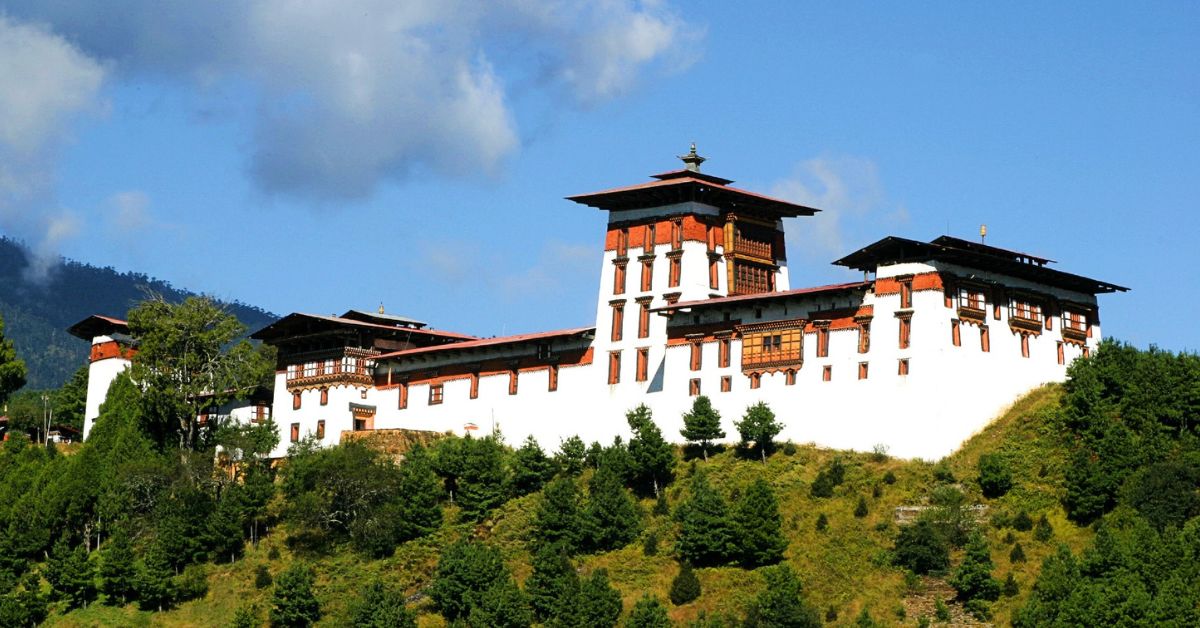
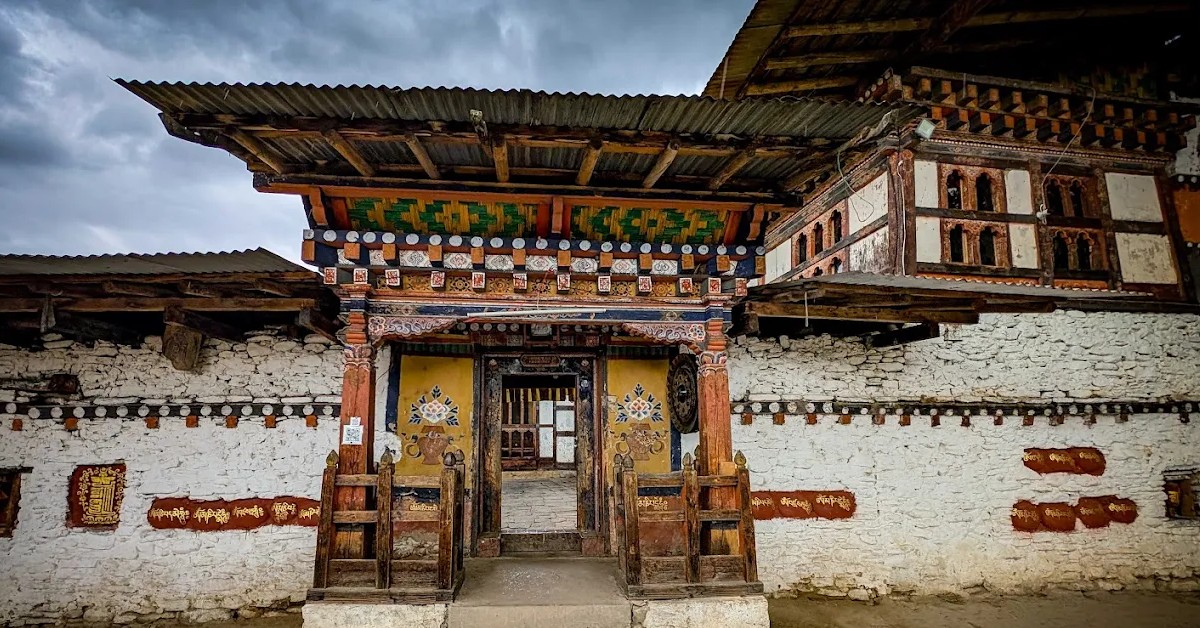
Jakar Dzong, the Fortress of the White Bird in Bumthang, Bhutan

Jakar Dzong, the Fortress of White Bird in Bumthang

Jakar Dzong, also known as Jakar Yugyal Dzong or the Fortress of the White Bird, stands on a ridge above Jakar town in the Chamkhar Valley of Bumthang. The monastery is traditionally dated to 1549 and associated with Lam Ngagi Wangchuk, the great-grandfather of Zhabdrung Ngawang Namgyal. The white-bird legend remains part of the dzong’s identity and explains its memorable name.

Jambay Lhakhang, one of Bhutan’s oldest Buddhist temples in Bumthang, traditionally dated to 659 CE

Jambay Lhakhang, Bumthang: History, Sacred Relics & Visitor Guide

Jambay Lhakhang, also known as Jampa Lhakhang, is one of Bhutan’s oldest and most revered temples. Located in Changwang village in the Choekhor Valley of Bumthang, it is dedicated to Jowo Jampa (Maitreya), the Buddha of the future. Bhutanese tradition attributes the temple’s founding to the Tibetan King Songtsen Gampo and gives the date as 659 CE. It is remembered as one of the 108 temples said to have been built across the Himalayan region to subdue a demoness whose body was believed to obstruct the spread of Buddhism. The temple remains a living place of worship and is especially known for the annual Jambay Lhakhang Drup, with its sacred fire blessing and Tercham dance.

Kurje Drupchhu sacred spring near Kurjey Lhakhang in Bumthang, Bhutan

Kurje Drupchhu: Sacred Spring, Local Traditions and Visitor Guide

Kurje Drupchhu is a sacred spring near Kurjey Lhakhang in Bumthang. Local tradition associates the water with Guru Rinpoche’s visit in the 8th century and with the story of King Sindhuraja’s recovery. Devotees regard the spring as blessed water; claims that it cures diseases are not supported by clinical evidence. Its religious significance should be respected while taking sensible precautions about drinking untreated spring water.

Dra Zhi, the four sacred meditation cliffs in Bumthang, Bhutan

Dra Zhi, the Four Great Meditation Cliffs of Guru Rinpoche in Bumthang

Dra Zhi means the Four Cliffs. In Bumthang, the name refers to four sacred cliffs associated with Guru Rinpoche: Choedrak, Kunzangdrak, Shugdra and Thowadra. Bhutanese Buddhist tradition connects these places with Guru Rinpoche’s meditation and the subduing of the local deity Shelging Karpo. The stories are part of Bumthang’s sacred geography and should be understood as religious tradition. The four Bumthang cliffs are a distinct group from the four sacred cliffs entrusted to Phajo Drugom Zhigpo in other parts of Bhutan. For the wider traditional account of Guru Rinpoche’s visits and the sacred sites associated with him across Bhutan, see our Guru Rinpoche in Bhutan: His Visits and Sacred Pilgrimage Sites.

For a broader account of Guru Rinpoche-related destinations and pilgrimage traditions across Bhutan, see our Bhutan Pilgrimage Guide.

Shuk Drak Goenpa, also known as Shugdra Goenpa, sacred cliff monastery in Bumthang, Bhutan

Shugdra Goenpa, where Guru meditated in the form of Blood-Drinking Padma

Shugdra Goenpa (also called Shuk Drak Goenpa) is one of Bumthang’s four sacred meditation cliffs, collectively known as Dra Zhi. It stands in the upper Chhoekhor-toed valley below Kharsa village. Bhutanese Buddhist tradition associates the cliff with Guru Rinpoche’s meditation and the subduing of the local deity Shelging Karpo. Bhutanese Buddhist tradition places Guru Rinpoche’s blessing of the site in the 8th century, while the present lhakhang is attributed to Garpa Nado in the late 19th century. Our Dra Zhi guide introduces all four cliffs and their separate access routes.

Mebar Tsho, the Burning Lake, a sacred pilgrimage site in Tang Valley, Bumthang, Bhutan

Mebar Tsho, Bumthang: The Burning Lake of Pema Lingpa

Mebar Tsho, the Burning Lake, is one of Bhutan’s best-known sacred pilgrimage sites. It lies in a deep gorge along the Tang Chhu in the southern part of Tang Valley, Bumthang. The site is revered as the place where the 15th-century treasure revealer Pema Lingpa discovered sacred terma associated with Guru Rinpoche. The discovery is traditionally placed in the 1470s and is remembered through the story of a butter lamp that continued to burn after Pema Lingpa emerged from the water.

Choedrak Goenpa, a sacred cliff monastery overlooking Chumey Valley in Bumthang, Bhutan

Choedrak Monastery, Bumthang: Sacred Cliff & Trek Guide

Choedrak Monastery (Choje Drak Goenpa) stands on the northern ridge overlooking Chumey Valley in Bumthang, at approximately 3,800 metres. It is one of the four sacred cliffs, or Dra Zhi, associated with Guru Rinpoche in Bhutanese Buddhist tradition. The account that Guru Rinpoche arrived here riding a tigress and meditated at the cliff is part of the site’s religious history and should be understood as a sacred tradition. Read our guide to all four Dra Zhi cliffs for the wider Bumthang pilgrimage context.

Choedrak is one of several sacred places associated with Guru Rinpoche in Bhutan. Our Bhutan Pilgrimage Guide introduces other important pilgrimage destinations and regional traditions.

Zhabjethang Lhakhang, historic Buddhist temple in Bumthang, Bhutan

Zhabjethang Lhakhang, Bumthang: Sacred Footprints & Visitor Guide

Zhabjethang Lhakhang stands in Zhabjethang village in the upper Chhoekhor Valley of Bumthang, central Bhutan. The sacred plain is traditionally associated with Guru Rinpoche and his consort Menmo Tashi Khyidren, whose footprints are revered in a rock chamber inside the temple. The name Zhabjethang is commonly understood as the “plain of footprints”. The two-storey lhakhang, with its distinctive red kheymar band, stands at approximately 2,800 metres above sea level, around 22 kilometres from Chamkhar.

Two sacred pilgrimage sites associated with Guru Rinpoche in Bhutan

Kurjey and Nabji Lhakhang: Guru Rinpoche’s First Visit to Bhutan

Two important pilgrimage sites are associated in Bhutanese Buddhist tradition with Guru Rinpoche’s first visit to Bhutan: Kurjey Lhakhang in Bumthang and Nabji Lhakhang in Trongsa. Local accounts connect both places with Guru Rinpoche’s encounter with King Sindhu Raja and the resolution of a conflict with King Nawoche. The exact year of the visit is uncertain, and these two sites are presented here as important places in the first-visit tradition—not as an official ranking of Bhutan’s “holiest” sites.

For the broader context behind these two sacred sites, including the traditional accounts of Guru Rinpoche’s visits and other places associated with him across Bhutan, see our Guru Rinpoche in Bhutan: His Visits and Sacred Pilgrimage Sites. For detailed visitor information, continue to the individual guides to Kurjey Lhakhang and Nabji Lhakhang.

Kunzangdra Goenpa, Pema Lingpa’s sacred cliff monastery with three temples in Tang Valley, Bumthang, Bhutan

Kunzangdra Monastery, Bumthang: Pema Lingpa’s Sacred Cliff

Kunzangdra Monastery is one of the four sacred cliffs (Dra Zhi) of Bumthang, situated on a steep rock face overlooking Tang Valley. The site is associated with the treasure revealer Pema Lingpa, who is said to have seen Kuntu Zangpo (Samantabhadra) in the cliff while looking up from his birthplace at Chel. Visitor information commonly lists the monastery at approximately 3,350 metres. The complex includes three temples, meditation caves, sacred springs and rock features revered by pilgrims. See our Dra Zhi guide for the other three cliffs and regional pilgrimage context.

Kunzangdra can be explored as part of a wider journey through Bhutan’s sacred landscape. Our Bhutan Pilgrimage Guide offers an overview of regional destinations and practical considerations.
